







El abastecimiento de materiales sostenibles para encendedores de leña es más difícil de lo que parece. En nuestra línea de producción en Ningbo, he rechazado envíos completos de materias primas que no cumplieron nuestros estándares ecológicos. A los proveedores les encanta la palabra "natural", pero un encendedor de leña engañoso puede hundir rápidamente una marca minorista. Los compradores reciben devoluciones, los minoristas retiran el producto y su reputación se quema con él. La solución es saber exactamente qué materiales resisten el escrutinio y qué afirmaciones se desmoronan bajo un informe de prueba de SGS.
Priorizar subproductos de madera recuperada — lana de madera certificada por FSC, virutas de madera postindustriales y serrín comprimido — unidas con ceras de origen vegetal como la de soja o la cera de abejas natural. Evitar la parafina, el queroseno y los geles de petróleo. Los materiales derivados de residuos, renovables y no tóxicos con propiedades de combustión limpia ofrecen el argumento de sostenibilidad más sólido para los iniciadores de fuego de madera.
Esa es la respuesta corta. A continuación, repasaremos las certificaciones que importan, las materias primas que realmente funcionan, [cómo verificar las afirmaciones de los proveedores](https://sunrichfire.com/how-verify-eco-friendly-claims-sourcing-wood-fire-starters/) y cuánto cuestan realmente los materiales ecológicos.
¿Qué certificaciones confirman que mis iniciadores de fuego de leña son verdaderamente ecológicos y seguros?
Durante una auditoría de fábrica hace unos años, un comprador alemán me hizo una pregunta antes que nada: "Muéstreme los informes de prueba". Nuestras exportaciones a más de 30 países me enseñaron que el papeleo abre puertas, no las promesas.
Busque la certificación FSC para el abastecimiento de fibra de madera, informes de prueba SGS o Intertek para combustión no tóxica, marcado CE para la seguridad del mercado europeo, ISO 9001 para la gestión de la calidad y BSCI para prácticas de abastecimiento ético. Juntos, estos confirman tanto las afirmaciones ambientales como la seguridad del consumidor.
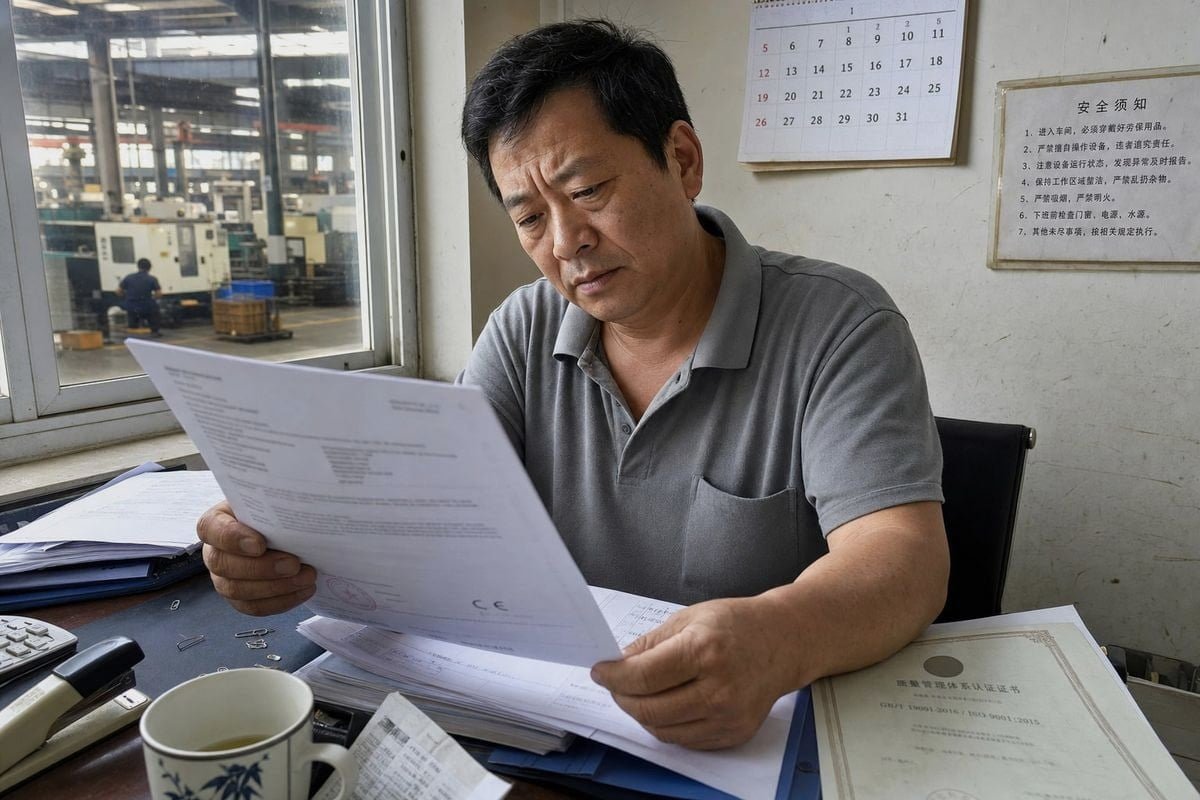
Las certificaciones cumplen dos funciones. Demuestran que su producto es seguro y ecológico, y lo protegen legalmente cuando un minorista o un funcionario de aduanas hace preguntas. En nuestra experiencia exportando a EE. UU., Alemania y el Reino Unido, los compradores consideran el cumplimiento como un requisito indispensable, no como un extra. Un palé de encendedores de leña sin los informes de prueba adecuados puede permanecer en aduanas durante semanas. Peor aún, puede ser rechazado por completo.
Las certificaciones principales, explicadas
Cada certificado cubre un eslabón diferente de la cadena. Madera con certificación FSC 1 le indica que la lana de madera o las virutas provienen de bosques gestionados de manera responsable o de fuentes recuperadas verificadas. Los informes de laboratorio de SGS e Intertek confirman que el producto terminado se quema sin liberar productos químicos nocivos; aquí es donde se exponen las fórmulas con alto contenido de petróleo. Marcado CE 2 es obligatorio para los productos encendedores vendidos en la UE. ISO 9001 3 demuestra que la fábrica opera con procesos consistentes, por lo que el lote diez coincide con el lote uno. BSCI cubre el lado humano: prácticas laborales justas y abastecimiento ético en la propia fábrica.
| Por qué es importante para las piñas perfumadas | Lo que verifica | Por qué los compradores B2B lo necesitan |
|---|---|---|
| FSC | Fibra de madera de fuentes responsables o recuperadas | Respalda las afirmaciones de marketing de deforestación cero |
| SGS / Intertek | Combustión no tóxica, sin sustancias prohibidas | Requerido por los principales minoristas y aduanas |
| CE | Cumplimiento de seguridad de la UE para encendedores | Obligatorio para la colocación en estantes europeos |
| ISO 9001 | Sistema de gestión de calidad de fábrica | Garantiza la consistencia lote a lote |
| BSCI | Cumplimiento social y normas laborales | Protege la reputación de la marca en cuanto a ética |
Una advertencia por experiencia: solicite los documentos reales, no los logotipos en un sitio web. Entregamos nuestros informes ISO 9001, BSCI, CE y SGS/Intertek antes de que un comprador pregunte, porque sabemos que un gerente de compras serio verificará los números de certificado de todos modos. Si un proveedor duda o envía documentos caducados, considérelo como su respuesta.
¿Qué materias primas ofrecen el mejor equilibrio entre sostenibilidad y rendimiento de combustión fiable?
Hay una compensación que evalúo en cada producción: el material más ecológico en el papel no sirve de nada si no logra encender un tronco húmedo. Después de 17 años fabricando rollos de madera recubiertos de cera, juzgo los materiales tanto por su huella como por su llama.
Lana de madera y virutas de madera postindustriales recubiertas de cera de soja o cera de abejas ofrecen el mejor equilibrio. Provienen de residuos, son renovables y se encienden en segundos con quemaduras constantes de ocho a diez minutos. Las bases de papel reciclado y los residuos agrícolas ocupan el siguiente lugar, mientras que se deben evitar las fórmulas con alto contenido de parafina.
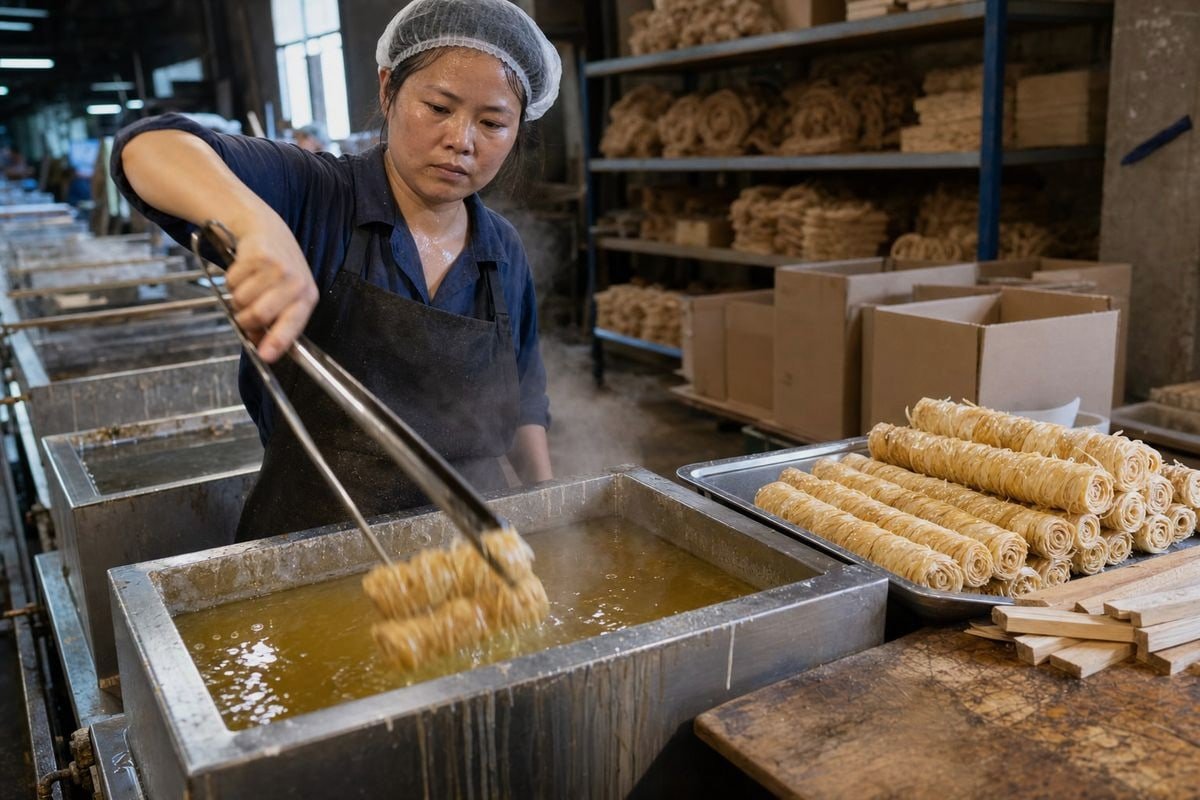
Aquí se comparan las principales familias de materiales al sopesar el abastecimiento, la calidad de la combustión y la huella ambiental lado a lado:
| Familia de materiales | Historia de sostenibilidad | Rendimiento de combustión | Mejor caso de uso |
|---|---|---|---|
| Lana de madera / virutas de madera | Subproducto del procesamiento de la madera; fuerte desviación de residuos | Ignición rápida, llama estable, resistente a la intemperie cuando está encerado | Encendedores de leña premium para minoristas |
| Serrín comprimido | Las briquetas de serrín reciclado desvían los residuos del aserradero | Denso, combustión más larga, más lento para encender | Mercados de chimeneas y estufas |
| Cera de soja / coco | Renovable, evita insumos de petróleo | Unión limpia, extiende el tiempo de llama | Recubrimiento y aglutinante |
| Cera de abejas | Aglutinante natural y eficaz, pero no vegano | Excelente resistencia a la humedad | Líneas para exteriores y camping |
| Papel / cartón reciclado | Pulpa postconsumo limpia y sin tratar | Barato, pero más débil en condiciones de humedad | Productos económicos y de estilo bricolaje |
| Residuos agrícolas | Coir de coco, bagazo, cáscaras de cáñamo reciclan residuos agrícolas | Variable; necesita pruebas por lote | Innovación y posicionamiento de economía circular |
Por qué los subproductos de la madera encabezan la lista
Las virutas de madera postindustriales y la lana de madera son la base de un iniciador de fuego ecológico creíble. Provienen de aserraderos y operaciones de carpintería, por lo que no se tala ningún árbol para el producto en sí. Eso es biomasa combustible renovable 4 en su forma más defendible. Cuando retorcemos la lana de madera en rollos y la sumergimos en cera, obtenemos un producto que se enciende con una sola cerilla y mantiene la llama el tiempo suficiente para encender la yesca, el punto de referencia que nuestro equipo de control de calidad prueba en cada lote.
La cuestión del aglutinante: cera vegetal versus petróleo
El aglutinante es donde la mayoría de los productos "ecológicos" hacen trampa en silencio. La parafina es barata y eficaz, por eso todavía ves cajas que enumeran contenido de parafina 5. Pero es un derivado del petróleo, y los compradores que se posicionan en torno a la calefacción neutra en carbono no pueden defenderlo. Cera de soja y cera de abejas la reemplazan limpiamente. Resina de pino natural 6, que se encuentra en la madera resinosa de tocones de pino muertos, es otro acelerante libre de químicos que vale la pena considerar para líneas premium. La regla que le doy a los compradores es simple: si el acelerante salió de la tierra como petróleo, no pertenece a un iniciador de fuego sostenible.
Materiales emergentes que vale la pena observar
Las cáscaras de cáñamo, las cáscaras de arroz, los posos de café y la biomasa de los programas de eliminación de especies invasoras están apareciendo en las solicitudes de desarrollo de productos. Cuentan una fuerte historia de economía circular 7. Simplemente pruebe la consistencia de la combustión cuidadosamente: los residuos agrícolas varían más de lote a lote que la fibra de madera.
¿Cómo verifico las afirmaciones de abastecimiento sostenible de un proveedor antes de realizar un pedido al por mayor?
Un distribuidor del Reino Unido una vez me envió el hoja de especificaciones de un competidor.
Solicite copias de certificados con números de registro verificables, exija informes de laboratorio de terceros de SGS o Intertek, solicite muestras pagadas y quémelas usted mismo, solicite documentación de trazabilidad de materiales y audite la fábrica directamente o a través de una agencia. Nunca confíe únicamente en las afirmaciones del sitio web o en las fotos del producto.
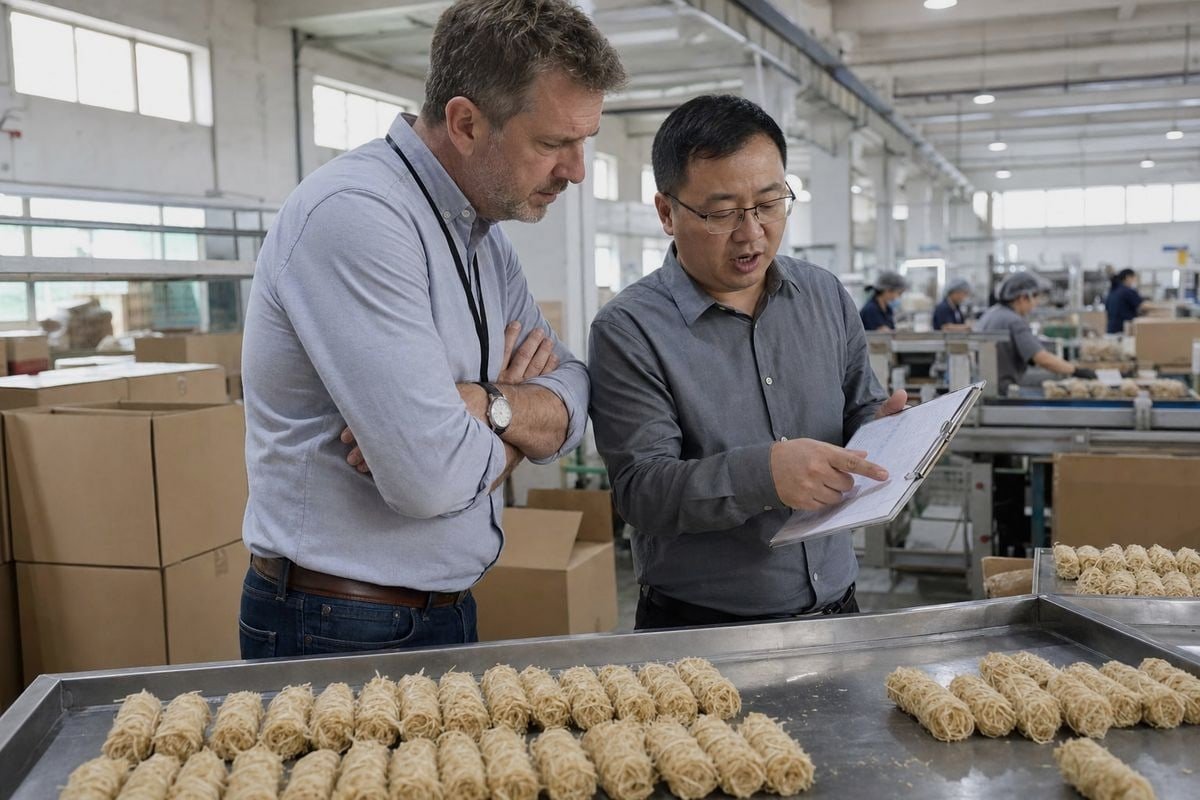
afirmando "cera ecológica", la prueba de laboratorio que realizamos en su muestra mostró una mezcla de parafina. Ese momento dio forma a cómo asesoro a los compradores para verificar las afirmaciones antes de transferir un depósito.
Un proceso de verificación de cinco pasos
- La verificación es un proceso, no una sola pregunta. Aquí está la secuencia que recomiendo a cada gerente de compras que nos contacta, porque es el mismo estándar que nos aplicamos a nosotros mismos. Verifique los certificados en la fuente.
- Los números de certificado FSC se pueden buscar en la base de datos pública del FSC. Los certificados ISO 9001 y BSCI enumeran el organismo emisor; contáctelos si algo parece sospechoso. Los documentos caducados o con marcas de agua borrosas son señales de alerta. Solicite informes de prueba recientes de terceros. SGS o Intertek 8 Un informe de.
- con fecha dentro del último año o dos tiene peso. Confirme que el informe coincide con el producto exacto que está comprando, no con una SKU diferente. Esta es su prueba de combustión no tóxica. Pida muestras pagadas y pruébelas.
- Mida el tiempo de ignición, la duración de la llama, huela el humo y verifique el residuo. Los productos con alto contenido de parafina a menudo dejan un olor a petróleo y hollín negro. Un iniciador de fibra de madera y cera vegetal limpio arde con un olor mínimo y ceniza clara. Solicite trazabilidad del material.
- Una fábrica genuina puede decirle de dónde provienen sus virutas de madera (de qué aserraderos, de qué región) y si la cera es a base de soja, cera de abejas o una mezcla. Las respuestas vagas generalmente significan que una empresa comercial está revendiendo el producto de otra persona. Audite la fábrica.
Visite en persona, envíe un agente local o solicite un recorrido en video en vivo por la línea de producción. Organizamos estos regularmente desde nuestras instalaciones en Ningbo, y puedo decirle: los proveedores que no tienen nada que ocultar dicen que sí rápidamente.
¿Afectarán los materiales ecológicos al coste de producción, al plazo de entrega o a la cantidad mínima de pedido?
Un consejo práctico más. Compare la primera muestra con el primer lote de producción en masa. Las fábricas consistentes con control de calidad real entre lotes las igualarán. Los proveedores inconsistentes cargan la calidad en las muestras y recortan gastos a escala. Incorporar esta comparación en su acuerdo de compra no cuesta nada y lo protege todo.
Espere un aumento moderado del costo de aproximadamente diez a treinta por ciento sobre las fórmulas a base de parafina, impulsado principalmente por el precio de la cera vegetal. Los plazos de entrega se mantienen en gran medida sin cambios con una fábrica establecida. Los MOQ dependen más de la personalización del embalaje que de los materiales, y la flexibilidad de los pedidos de prueba es negociable con los fabricantes genuinos.

Las conversaciones sobre costos surgen en casi todas las primeras llamadas con un nuevo importador, así que seré directo sobre lo que cambia cuando se vuelve sostenible, y lo que no.
La imagen honesta es más matizada que "lo ecológico cuesta más". Algunas entradas sostenibles son en realidad más baratas porque se derivan de residuos. La lana de madera y las virutas postindustriales cuestan poco; es el aglutinante y las certificaciones donde se mueve el dinero.
| Factor de costo | Dónde cambian realmente los costos | Producto a base de parafina | Producto sostenible |
|---|---|---|---|
| Fibra de madera | Impacto | Costo similar | Mínimo |
| Costo similar (FSC añade una pequeña prima) | Aglutinante / cera | Parafina: bajo costo | Cera de soja o cera de abejas: mayor costo |
| Certificación y pruebas | Informes básicos | Cadena de custodia FSC, pruebas de laboratorio adicionales | Moderado, principalmente una vez |
| Empaquetado | Película plástica estándar | Cartón o kraft reciclable | Ligero aumento |
| Tiempo de entrega | Estándar | Estándar con una fábrica en stock | Normalmente ninguno |
| Cantidad mínima de pedido | Establecido por tiradas de producción | Establecido por personalización del embalaje | Poca diferencia |
Realidades de tiempo de entrega y MOQ
El tiempo de entrega depende de si su proveedor tiene inventario de materias primas. En nuestras instalaciones, mantenemos existencias de fibra de madera y cera vegetal porque nuestras líneas de productos las comparten, por lo que un pedido ecológico se envía en el mismo horario que uno convencional. Los retrasos ocurren cuando un proveedor tiene que obtener materiales desconocidos bajo demanda, otra razón para preguntar sobre la trazabilidad del material desde el principio.
El MOQ es principalmente una cuestión de embalaje. Un pedido de prueba en embalaje estándar puede ser pequeño. La marca privada completa, cajas personalizadas, embalaje de exhibición, etiquetas de advertencia, códigos de barras, requiere mínimos de impresión, y eso establece el piso real. En nuestro trabajo OEM integral, estructuramos regularmente pedidos de prueba con cantidades más bajas para que un distribuidor pueda probar su mercado de EE. UU. o Europa antes de comprometerse con un contenedor.
El beneficio comercial compensa el costo. Los compradores minoristas en Alemania, los Países Bajos y el Reino Unido rechazan cada vez más los encendedores de parafina y los productos con posicionamiento ecológico exigen precios más altos en los estantes. Un costo unitario ligeramente más alto que desbloquea la colocación premium en tiendas es un intercambio que la mayoría de nuestros socios a largo plazo hacen con gusto.



 English
  Spanish
  German
  French
  Arabic
  Portuguese
Únete a la conversación