






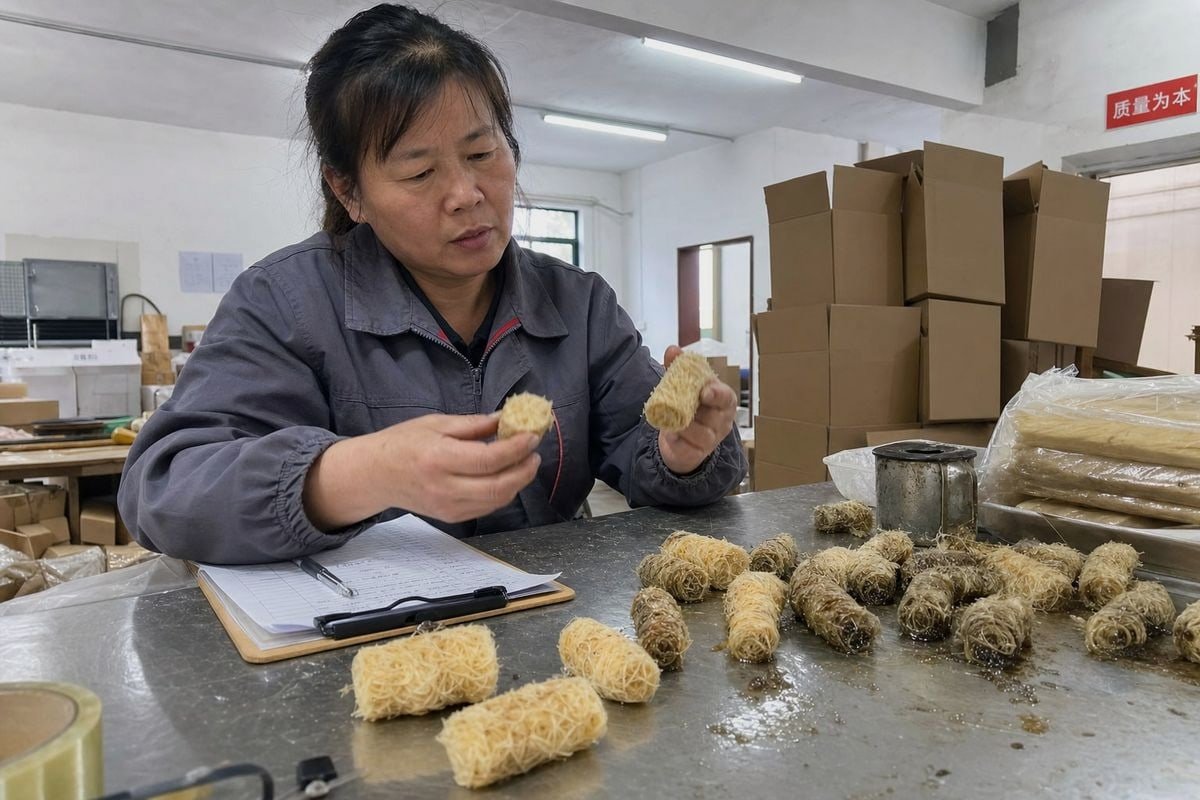
Jedes Quartal überprüft unser QC-Team Rückmeldungen von Distributoren, und Holz-Feuerstarter, die nach der Lagerung weich, schimmelig oder ölig werden, bleiben das häufigste Problem, das wir beheben.
Holzanzünder werden nach der Lagerung hauptsächlich weich, schimmelig oder ölig, weil sie überschüssige Feuchtigkeit aufnehmen, schlecht belüftet werden und Temperaturschwankungen ausgesetzt sind. Weichheit deutet auf Wasseraufnahme und Verfall hin, Schimmel auf anhaltende Feuchtigkeit bei stehender Luft, und ölige Rückstände entstehen meist durch die Wanderung von Wachs- oder Harzbindemitteln, verursacht durch Hitzeeinwirkung, und nicht durch biologisches Wachstum.
Jedes Symptom weist auf einen anderen Ausfallmodus hin. Das Verständnis der Grundursache für Weichheit, Schimmel und ölige Rückstände hilft Ihnen, das Lagerproblem zu beheben und Ihren Bestand zu schützen. Nachfolgend erläutern wir jede Ursache und geben Ihnen praktische Präventionsschritte.
Welche Lagerbedingungen führen dazu, dass meine Holzanzünder Feuchtigkeit aufnehmen und weich werden?
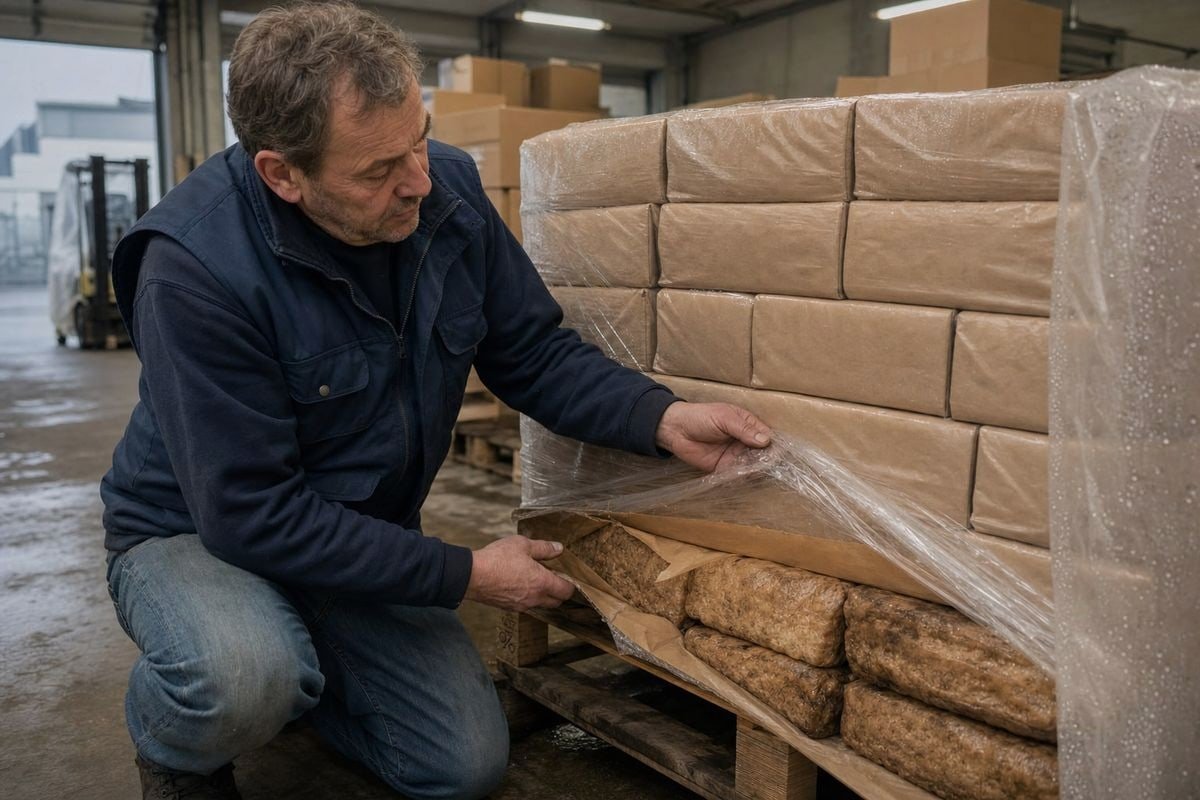
Ein deutscher Distributor schickte uns einmal Fotos von einer ganzen Palette mit Wachs getauchten Holzwolle-Rollen, die nach sechs Wochen Lagerung in einem dockseitigen Lagerhaus im Sommer weich und schwammig geworden waren. Der Schaden begann in der unteren Schicht und arbeitete sich nach oben.
Holzanzünder nehmen Feuchtigkeit auf und werden weich, wenn sie in Umgebungen mit hoher relativer Luftfeuchtigkeit, direktem Bodenkontakt oder luftdichter Verpackung, die Kondensation einschließt, gelagert werden. Wasser dringt in die Holzfasern ein, zersetzt organische Bindemittel und führt dazu, dass das Produkt aufquillt, an Dichte verliert und nicht zuverlässig entzündet.
Wie Feuchtigkeit eindringt
Feuchtigkeit braucht keinen Regen, um Ihre Feuerstarter zu erreichen. Hohe Umgebungsfeuchtigkeit allein reicht aus. Wenn die der Holzfasern steigt, wird die Zündung langsam und rauchig, und die Verbrennungseffizienz sinkt rapide. In sehr feuchten Räumen kann man sogar Pilzwachstum an unbeschichteten Faserenden sehen. Unsere Regel für Lagerhäuser ist einfach: Halten Sie die 1 in einem Lagerraum für längere Zeit über 65% bleibt, verhalten sich holzbasierte Produkte wie Schwämme. Die Zellulosefasern in komprimierter Holzwolle oder Holzwolle absorbieren Wasserdampf aus der Luft. Dieser Prozess wird als hygroskopische Absorption 2, bezeichnet und geschieht leise, ohne dass sichtbares Wasser vorhanden ist.
Bodenschluss ist der zweithäufigste Weg. Betonböden in Lagerhäusern ziehen Feuchtigkeit durch Kapillarwirkung 3. nach oben. Wenn Paletten direkt auf blankem Beton ohne Plastikfolie oder erhöhte Plattformen stehen, nehmen die unteren Reihen zuerst Wasser auf. Deshalb beginnen Lagerfehler fast immer am Boden des Stapels und nicht an der Spitze.
Was mit dem Produkt passiert
Sobald Feuchtigkeitsgehalt 4 in den Holzfasern auf etwa 20% ansteigt, gehen mehrere Dinge gleichzeitig schief. Die komprimierten Fasern rehydrieren und quellen auf, so dass der Starter seine ursprüngliche Dichte verliert. Wenn das Produkt organische Bindemittel wie Stärke verwendet, quellen diese Bindemittel auf und verlieren ihre Klebeeigenschaften. Das Ergebnis ist ein Produkt, das sich "morsch" anfühlt – weich, krümelig und schwach.
Aus Leistungssicht benötigen nasse Starter mehr Wärme, um ihre Zündtemperatur zu erreichen. Sie brennen schlecht, erzeugen übermäßigen Rauch und setzen flüchtige organische Verbindungen 5 frei, die einen unangenehmen Geruch erzeugen. Für Ihre Kunden bedeutet dies Beschwerden und Rücksendungen.
Häufige Feuchtigkeitsquellen nach Lagerort
| Lagerort | Primäre Feuchtigkeitsquelle | Risikostufe |
|---|---|---|
| Unbeheizte Garage oder Schuppen | Kondensation durch Temperaturschwankungen | Hoch |
| Keller | Bodenfeuchtigkeit und schlechte Belüftung | Sehr hoch |
| Überdachter Außenbereich | Regenspritzer und feuchte Luft | Mittel bis hoch |
| Klimatisiertes Lagerhaus | Minimal, wenn HLK gewartet wird | Niedrig |
| Versiegelte Plastikbehälter ohne Trockenmittel | Eingeschlossene interne Feuchtigkeit | Hoch |
Was Sie tun können
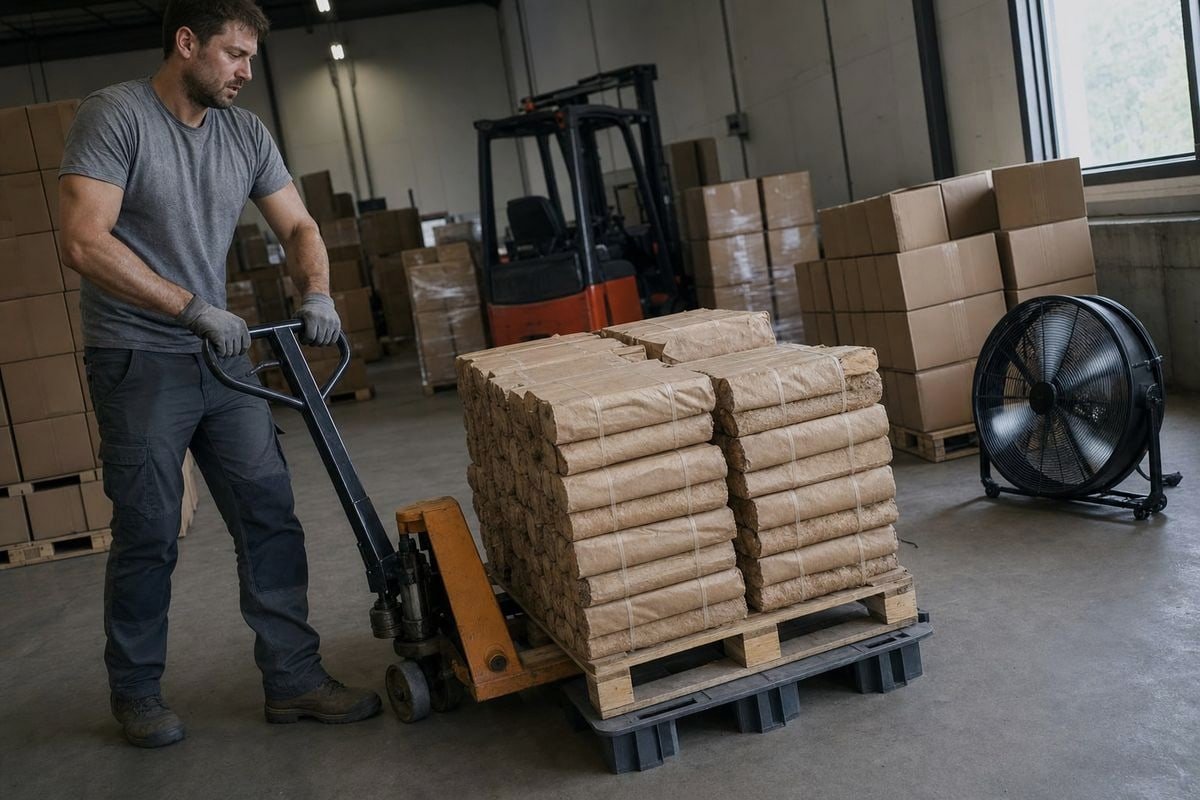
Heben Sie alle Paletten mit Holzunterlagen oder Kunststoffpaletten vom Boden ab. Halten Sie Lagerbereiche belüftet – selbst ein kleiner Ventilator kann Kondensationsbildung verhindern. Vermeiden Sie luftdichte Lagerbehälter, es sei denn, Sie legen Trockenmittelpackungen hinein. Und wenn Sie während der Regenzeit eine Lieferung erhalten, überprüfen Sie die unterste Schicht jeder Palette innerhalb der ersten Woche.
Wie kann ich feststellen, ob Schimmel auf meinen Holzanzündern ein Herstellungsfehler oder ein Lagerungsproblem ist?
Eine Lektion, die wir in unseren 17 Jahren im Export von Feuerstartprodukten früh gelernt haben: Schimmelbeschwerden kommen fast immer während oder kurz nach der feuchten Jahreszeit. Der Zeitpunkt selbst ist der erste Hinweis darauf, dass die Lagerung – nicht die Produktion – normalerweise verantwortlich ist.
Schimmel auf Holzanzündern ist fast immer ein Lagerungsproblem und kein Herstellungsfehler. Wenn Schimmel Wochen oder Monate nach der Lieferung auftritt, insbesondere unter feuchten oder schlecht belüfteten Bedingungen, ist die Ursache umweltbedingt. Ein Herstellungsfehler würde Schimmel aufweisen, der bereits zum Zeitpunkt des Versands vorhanden war, typischerweise aufgrund unzureichender Trocknung vor der Verpackung.
Warum Schimmel auf Feuerstartern wächst
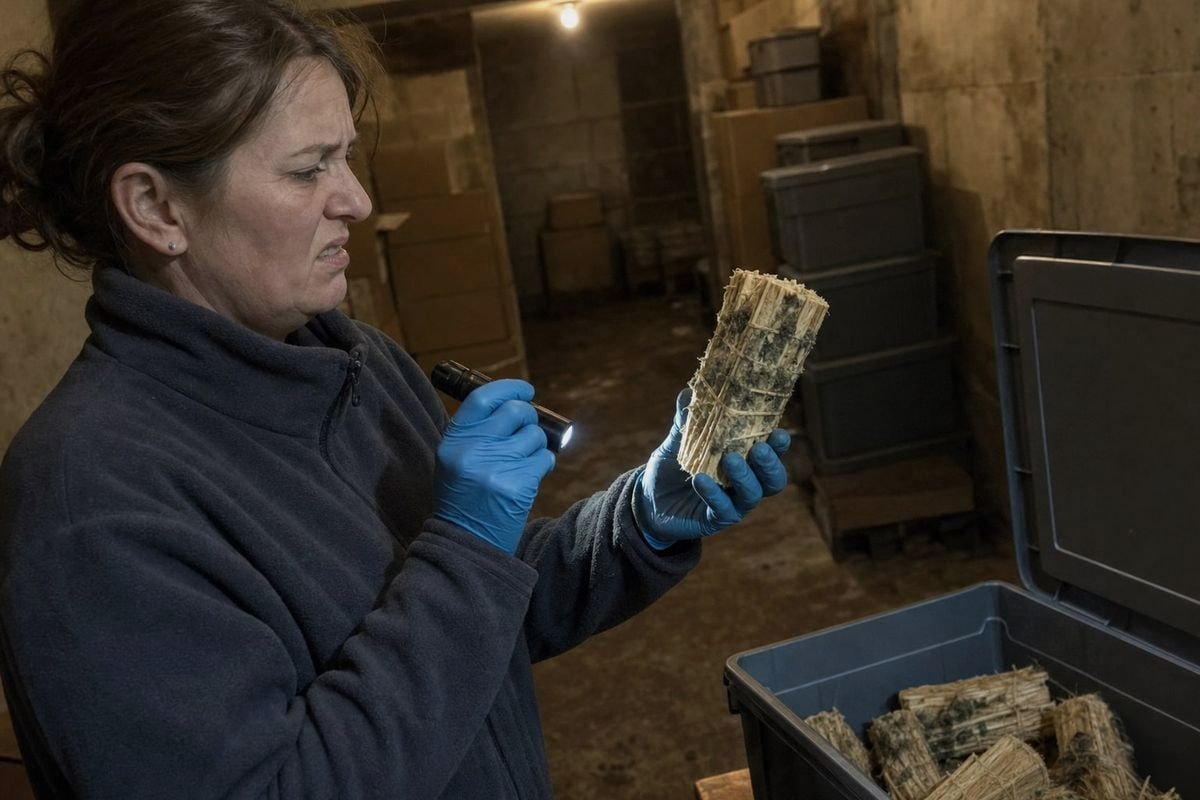
Schimmel benötigt drei Dinge: Feuchtigkeit, Wärme und eine organische Nahrungsquelle. Holz-Feuerstarter liefern die Nahrung. Ihre Lagerumgebung liefert den Rest. Pilzsporen sind überall in der Luft. Sie landen ständig auf Oberflächen. Aber sie keimen und wachsen nur, wenn die Bedingungen stimmen – im Allgemeinen über 60% relative Luftfeuchtigkeit und zwischen 15°C und 30°C.
Wenn Feuerstarter zu eng gestapelt oder in nicht atmungsaktivem Material verpackt sind, sinkt die Luftzirkulation um jedes Stück auf nahezu Null. Oberflächenfeuchtigkeit kann nicht verdunsten. Dies schafft ein Mikroklima, das wärmer und feuchter ist als der umgebende Raum. Schimmel besiedelt diese Taschen zuerst.
Unterscheidung zwischen Herstellungsfehler und Lagerschaden
Dies ist die Frage, die unser Exportteam am häufigsten beantwortet. Hier ist ein einfaches Diagnosegerüst:
| Indikator | Weist auf Herstellungsfehler hin | Weist auf Lagerproblem hin |
|---|---|---|
| Zeitpunkt der Entdeckung | Sichtbar bei oder innerhalb von Tagen nach Lieferung | Erscheint Wochen oder Monate nach Lieferung |
| Verteilungsmuster | Einheitlich über die Charge | Konzentriert in unteren Schichten oder dicht gestapelten Bereichen |
| Feuchtigkeit bei Lieferung | Produkt fühlt sich bei Ankunft feucht an | Produkt war bei Ankunft trocken, wurde aber in feuchtem Bereich gelagert |
| Zustand der Verpackung | Verpackung war nass versiegelt oder zeigte Wasserflecken vom Ursprung | Verpackung war intakt und trocken bei Erhalt |
| Schimmelort | In der Verpackung, tief im Produkt | Auf äußeren Oberflächen und zwischen gestapelten Einheiten |
In unserer Produktionsstätte in Ningbo durchläuft jede Charge vor der Verpackung eine Trocknungsphase. Wir prüfen den Feuchtigkeitsgehalt vor dem Versiegeln. Wenn das Produkt zum Zeitpunkt des Versands trocken und sauber war und die Verpackung bei Ankunft keine Wasserschäden aufwies, ist der Schimmel fast sicher während der Lagerung gewachsen.
Wann abwischen, weiter trocknen oder wegwerfen
Nicht jeder Schimmel bedeutet, dass das Produkt ruiniert ist. Oberflächlicher Schimmel – die flaumige weiße oder grüne Schicht, die Sie abwischen oder abbürsten können – bedeutet nicht unbedingt, dass der Anzünder strukturell beeinträchtigt ist. Wenn der Kern noch fest und trocken ist, können Sie ihn an einem belüfteten Ort auslüften und verwenden.
Aber wenn das Produkt weich, krümelig geworden ist oder stark muffig riecht, Holzfäulepilze 6 sind wahrscheinlich tiefer eingedrungen. Zu diesem Zeitpunkt ist die Haltbarkeit des Anzündholzes abgelaufen. Der Anzünder wird nicht gut brennen, übermäßig rauchen und kann Schimmelsporen in Ihre Raumluft einbringen, wenn er in einem Kamin verbrannt wird. Verlängerungsrichtlinien empfehlen durchweg, Brennholz und Anzünder bis unmittelbar vor dem Verbrennen draußen aufzubewahren, teilweise aus diesem Grund.
Spezifische xerophile Pilze können sich sogar von den energiereichen Harzen und Wachsen ernähren, die in einigen Feueranzündern vorhanden sind. Diese erzeugen eine schleimige statt einer flaumigen Textur. Wenn Sie Schleim statt Flaum sehen, ist die Kontamination weiter fortgeschritten, als es scheint.
Belüftungsanforderungen zur Schimmelprävention
Die wirksamste Präventionsmaßnahme ist Luftzirkulation. Lagern Sie Feueranzünder auf offenen Regalen statt in geschlossenen Behältern. Lassen Sie Lücken zwischen den Stapeln. Wenn Sie eine Plane zum Regenschutz verwenden, legen Sie sie nur über die Oberseite und lassen Sie die Seiten offen. Ziel ist es, vor Wasser zu schützen und gleichzeitig feuchte Luft entweichen zu lassen.
Warum tropft Wachs aus meinen Holzanzündern und hinterlässt einen öligen Rückstand?
Bei einem Sommerversand an einen US-Distributor in Texas erhielten wir die Beschwerde, dass unsere 50% Holzfaser / 50% Paraffin Feueranzünderwürfel mit einem fettigen Film auf der Außenfläche angekommen waren. Das Lager erreichte in dieser Woche 40°C. Das Wachs war nicht schlecht geworden – es war einfach migriert.
Wachs sickert aus Holzfeuerstartern, weil Hitze Paraffin, Sojawachs oder natürliche Harzbindemittel erweicht und an die Produktoberfläche wandert. Dies ist ein physikalischer und chemischer Prozess – kein Schimmel. Temperaturschwankungen in Garagen, Schuppen oder Versandbehältern führen dazu, dass das Wachs teilweise schmilzt, durch die Holzfasern wandert und als fettiger Rückstand wieder erstarrt.
Die Chemie hinter der Binderwanderung
Die meisten kommerziellen Holzfeueranzünder verwenden ein Wachs- oder Öl-basiertes Bindemittel, um komprimierte Holzfasern zusammenzuhalten und die Entzündung zu verbessern. Paraffinwachs 7 ist am häufigsten. Es hat einen Schmelzpunkt zwischen etwa 46°C und 68°C, je nach Sorte. Wenn die Lagertemperaturen diesen Bereich erreichen oder überschreiten, erweicht das Wachs. Es fließt entlang der Holzfaserkanaäle und sammelt sich auf der Oberfläche.
Dies ist keine Paraffinwachs-Degradation im chemischen Sinne. Das Wachs zersetzt sich nicht. Es bewegt sich einfach. Wenn die Temperaturen wieder sinken, verfestigt es sich auf der Oberfläche als wachsiges oder fettiges Film. Bei wiederholten Hitze-Kalt-Zyklen wandert mehr Wachs nach außen, und der Kern des Anzünders verliert an Bindemittelgehalt.
Fatwood und natürliche Harzanzünder
Fatwood-Feueranzünder stellen eine einzigartige Version dieses Problems dar. Fatwood enthält von Natur aus hohe Konzentrationen an brennbarem Harz – Terpene 8 und andere flüchtige organische Verbindungen. Diese Harze machen Fatwood zu einem so effektiven Feueranzünder. Aber bei warmen Lagerbedingungen können flüssige Terpene durch einen Prozess, der manchmal als Harzbluten bezeichnet wird, aus den inneren Kanälen des Holzes austreten. Das Ergebnis ist eine klebrige, aromatische Oberfläche, die Käufer mit einer Kontamination verwechseln können.
Ähnlich sehen sich "grüne" oder umweltfreundliche Feueranzünder, die Pflanzenöle oder Sojawachs als Bindemittel verwenden, einem anderen Risiko gegenüber: oxidative Ranzigkeit 9. Mit der Zeit reagieren natürliche Öle mit Sauerstoff und entwickeln einen klebrigen, zähen Film und einen deutlichen säuerlichen Geruch. Das ist kein Schimmel. Es ist eine chemische Reaktion. Aber es sieht und fühlt sich ähnlich an wie schimmelbedingte Öligkeit, was viele Käufer verwirrt.
Wie man ölige Rückstände von Schimmel unterscheidet
| Merkmal | Ölige / Wachsige Rückstände | Schimmelwachstum |
|---|---|---|
| Textur | Glatt, fettig oder wachsig | Flaumig, pudrig oder schleimig |
| Farbe | Transluzent, weiß oder gelblich | Weiß, grün, grau oder schwarz |
| Geruch | Wachsig, chemisch oder leicht säuerlich | Muffig oder erdig |
| Lässt sich sauber abwischen | Ja, hinterlässt einen Glanz | Verschmiert oder hinterlässt Flecken |
| Erscheint nach Hitzeeinwirkung | Sehr häufig | Unwahrscheinlich |
| Erscheint nach feuchter Lagerung | Unwahrscheinlich | Sehr häufig |
Verhinderung von Wachsmigration
Die wirksamste Vorbeugung ist die Temperaturkontrolle. Lagern Sie Feuerstarter unter 35 °C. Vermeiden Sie Garagen, Metallschuppen und Versandcontainer, die in der prallen Sonne backen. Wenn keine klimatisierte Lagerung verfügbar ist, lagern Sie das Produkt zumindest an einem schattigen, belüfteten Ort.
In unserer Produktionslinie arbeiten wir auch mit Käufern zusammen, um die richtige Wachssorte für ihr Klima auszuwählen. Ein Paraffin mit höherem Schmelzpunkt hält sich in heißen Märkten wie dem Nahen Osten, dem Süden der USA oder Brasilien besser. Dies ist die Art von Formulierungsgespräch, die in der OEM-Phase wichtig ist – bevor das Produkt versandt wird, nicht nachdem es beschädigt angekommen ist.
Welche Verpackungs- und Qualitätskontrollstandards sollte ich von meinem Lieferanten verlangen, um diese Probleme zu vermeiden?
Ein Käufer in den Niederlanden bat uns einst, von schrumpffolierten Paletten auf belüftete Kartons umzusteigen, nachdem er einen Teilcontainer durch Schimmel verloren hatte. Diese einzige Verpackungsänderung beseitigte ihre Lagerbeschwerden vollständig. Sie kostete geringfügig mehr pro Einheit, sparte aber Tausende an beschädigten Lagerbeständen.
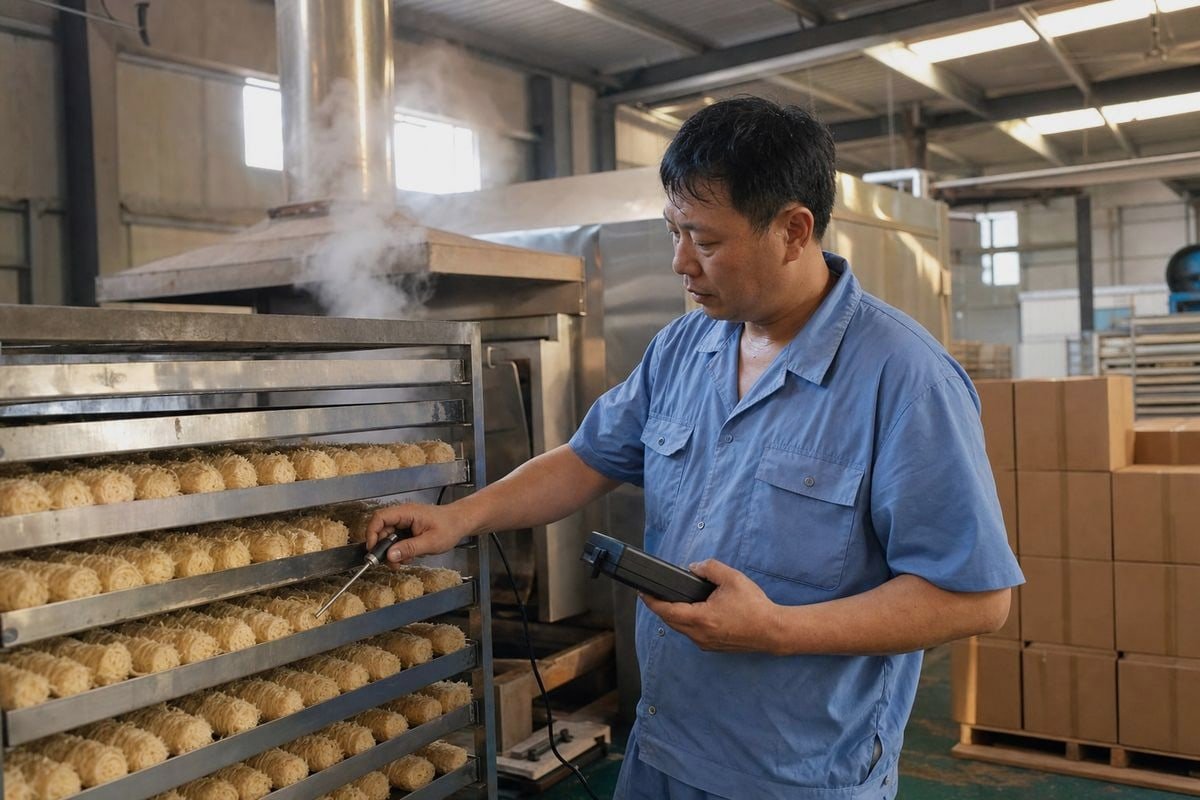
Sie sollten feuchtigkeitsgeprüfte Produkte am Verpackungspunkt, atmungsaktive oder belüftete Verpackungsmaterialien, klare Haltbarkeits- und Lagerungshinweise auf Kartons sowie eine Chargen-Qualitätskontrolldokumentation verlangen. Diese Standards stellen sicher, dass das Produkt trocken das Werk verlässt und die Verpackung während des Transports und der Lagerung für eine ordnungsgemäße Luftzirkulation sorgt.
Was Sie in Ihrer Lieferantenvereinbarung festlegen sollten
Wenn wir mit neuen B2B-Käufern zusammenarbeiten, gehen wir vor dem Versand der ersten Bestellung eine Checkliste mit Verpackungs- und Qualitätskontrollstandards durch. Hier sind die wichtigsten Punkte:
Feuchtigkeitsgehalt bei der Verpackung
Jede Charge von Holzfeuerstartern sollte vor der Verpackung auf ihren Feuchtigkeitsgehalt geprüft werden. Das Ziel hängt vom Produkttyp ab, aber im Allgemeinen sollte der Holzbestandteil zum Zeitpunkt der Versiegelung unter 12 % Feuchtigkeitsgehalt liegen. Unsere Anlage verwendet Nadelfeuchtemessgeräte an Stichproben aus jeder Charge. Wenn Sie importieren, fragen Sie Ihren Lieferanten nach diesen Daten pro Charge.
Atmungsaktive Verpackung
Dies ist der häufigste Verpackungsfehler, den wir sehen. Käufer wünschen sich enge Schrumpffolien oder versiegelte Polybeutel, da diese auf Verkaufsregalen sauberer aussehen. Aber versiegelte Verpackungen schließen Restfeuchtigkeit ein. Bei einem langen Seetransport – manchmal vier bis sechs Wochen – kann diese eingeschlossene Luftfeuchtigkeit dazu führen, dass sich im Inneren der Verpackung Schimmel bildet.
Bessere Optionen sind perforierte Schrumpffolie, belüftete Wellpappkartons oder Kraftpapierverpackungen. Für verkaufsfertige Verpackungen wie unsere Holzwürfel-Feuerstarter verwenden wir Kartons mit Mikroperforationen, die für den Verbraucher unsichtbar sind, aber einen Luftaustausch ermöglichen.
Chargenbezogene Qualitätskontrolldokumentation
Zuverlässige Lieferanten bieten Chargenrückverfolgbarkeit. Das bedeutet, dass jede Lieferung auf eine bestimmte Produktionscharge zurückgeführt werden kann, mit Aufzeichnungen über die Rohstoffquelle, Feuchtigkeitsmesswerte, Trocknungszeit und Verpackungsdatum. Wenn ein Qualitätsproblem im Feld auftritt, können Sie anhand der Chargenaufzeichnungen feststellen, ob die Ursache in der Produktion oder in der Lagerung lag.
Unsere ISO 9001 10 und BSCI-Zertifizierungen verlangen von uns, diese Aufzeichnungen zu führen. Aber eine Zertifizierung allein reicht nicht aus – bitten Sie darum, die tatsächlichen Aufzeichnungen zu sehen, nicht nur das Zertifikat.
Lagerungshinweise auf der Verpackung
Dies ist ein einfacher Gewinn, den viele Lieferanten übersehen. Drucken Sie klare Lagerungshinweise direkt auf den Außenkarton: "Kühl, trocken und belüftet lagern. Nicht auf dem Boden lagern. Luftdichte Verpackung vermeiden." Diese Anweisungen schützen den Lieferanten und den Käufer. Sie helfen auch nachgelagerten Einzelhändlern und Endverbrauchern, das Produkt richtig zu lagern.
Empfohlene Qualitätskontroll-Checkliste für Lieferanten
| QC-Standard | Was Sie anfordern sollten | Warum es wichtig ist |
|---|---|---|
| Feuchtigkeitsprüfung vor der Verpackung | Nadelmesswerte pro Charge, Ziel unter 12 % | Verhindert, dass Feuchtigkeit in der Verpackung eingeschlossen wird |
| Belüftete Verpackung | Perforierte Folie oder atmungsaktive Kartons | Ermöglicht das Entweichen von Restfeuchtigkeit während des Transports |
| Chargenrückverfolgbarkeit | Eindeutige Chargencodes mit verknüpften Produktionsaufzeichnungen | Ermöglicht die Ursachenanalyse bei Qualitätsproblemen |
| Lagerungshinweise auf Kartons | Gedruckte Richtlinien auf der Außenverpackung | Schützt das Produkt während der gesamten Vertriebskette |
| Prüfberichte von Drittanbietern | SGS, Intertek oder gleichwertige Laborergebnisse | Überprüft Konformitäts- und Zusammensetzungsansprüche unabhängig |
| Haltbarkeitsangaben | Empfohlene Lagerdauer und -bedingungen | Schafft klare Erwartungen für die Lagerrotation |
Der reale Unterschied, den gute Qualitätskontrolle macht
Wenn wir Wachs-getauchte Holzfaserrollen in die USA und nach Europa versenden, enthält jede Palette ein Trockenmittelblatt zwischen den Lagen, eine belüftete Außenverpackung und ein Chargenetikett mit Feuchtigkeitsmesswerten. Dies eliminiert nicht alle Risiken – ein Käufer, der die Palette in einem überfluteten Keller lagert, wird immer noch Probleme haben. Aber es eliminiert die Variablen, die wir kontrollieren können, und gibt dem Käufer klare Dokumentationen, um den Rest zu verwalten.
Die Kostenunterschiede zwischen einfacher Verpackung und richtiger belüfteter Verpackung mit Qualitätskontrolldokumentation betragen in der Regel weniger als 3–5 % der Stückkosten. Verglichen mit den Kosten einer zurückgewiesenen Palette oder einer beschädigten Markenreputation sind sie vernachlässigbar.
Schlussfolgerung
Holzfeuerstarter versagen bei der Lagerung aufgrund von Feuchtigkeit, schlechter Luftzirkulation und Hitze – nicht, weil sie ablaufen. Identifizieren Sie das Symptom, beheben Sie die Lagerbedingungen und arbeiten Sie mit einem Lieferanten zusammen, der Prävention von Anfang an in Verpackung und Qualitätskontrolle einbaut.
`
Fußnoten
Definiert das Feuchtigkeitskonzept, das für die Diskussion von Feuchtigkeitsaufnahme und Schimmelwachstum zentral ist. ↩︎
Erklärt den wissenschaftlichen Mechanismus, durch den Holzfasern Feuchtigkeit aus der Luft aufnehmen. ↩︎
Hintergrundkonzept, das erklärt, wie Betonböden Feuchtigkeit nach oben in gelagerte Produkte ziehen. ↩︎
Maßgeblicher Leitfaden der EPA zu Holzfeuchtigkeitsgehalten für optimale Verbrennung. ↩︎
EPA-Referenz, die VOC-Emissionen im Zusammenhang mit schlechter Verbrennung und Ausgasung von nassen Startern erklärt. ↩︎
Umfassender wissenschaftlicher Überblick über Pilzarten, die für die Holzzerstörung verantwortlich sind. ↩︎
Hintergrundreferenz zum gängigen Bindemittelmaterial, das im Abschnitt Wachsmigration diskutiert wird. ↩︎
Hintergrund-Chemikalienreferenz für die Harzverbindungen, die das Ausbluten von Fett-Holzharz verursachen. ↩︎
Erklärt den chemischen Oxidationsprozess, der natürliche Öl- und Sojawachsbinder beeinträchtigt. ↩︎
Offizielle Standardreferenz für die Qualitätsmanagementzertifizierung, die vom Lieferanten erwähnt wird. ↩︎



 English
  Spanish
  German
  French
  Arabic
  Portuguese
Diskutieren Sie mit