







Verkaufsschulungsmaterialien für Holzanzünder werden oft ignoriert, weil das Produkt zu einfach erscheint. An unserer Produktionslinie sehen wir die Kosten dieses Fehlers jede Saison: Händler berichten von schwachen Anbindungsraten 1, verwirrten Verkaufsmitarbeitern und Kunden, die mit einem Ofen nach Hause gehen, aber keine Möglichkeit haben, ihn leicht anzuzünden. Dieses erste frustrierende Feuer kann einen ganzen Kauf vermiesen. Die Lösung ist ein fokussiertes, szenariobasiertes Training, das ein kleines Zubehörteil in einen zuverlässigen Zusatzverkauf verwandelt.
Um Schulungsmaterialien für Holzanzünder vorzubereiten, erstellen Sie ein einseitiges Produkt-Cheat-Sheet, eine Zertifizierungszusammenfassung, ein Demonstrationsskript, eine Vergleichstabelle der Wettbewerber und eine FAQ zu Sicherheitsfragen. Strukturieren Sie alles anhand realer Kundenszenarien, vermitteln Sie Fakten zur Brenndauer und Verwendung, die die Mitarbeiter überprüfen können, und fügen Sie Rollenspielübungen für Einwände hinzu.
Unten gliedere ich dies in vier praktische Teile. Jeder Teil entspricht einer Frage, der sich Ihre Ladenmitarbeiter im Verkaufsraum stellen müssen. Sie können diese Rahmen direkt in Ihren eigenen Schulungsordner übernehmen.
Wie kann ich sicherstellen, dass unsere Feuerstarter-Zertifizierungen für das Verkaufspersonal im Einzelhandel klar erklärt werden?
Ein Käufer aus Deutschland erzählte mir einmal, dass seine Verkaufsmitarbeiter keine einzige Frage zu Testberichten beantworten konnten. Unsere Fabrik liefert jetzt mit jeder Eigenmarkenbestellung ein Zertifizierungsblatt in einfacher Sprache, denn Papierkram, den niemand versteht, verkauft nichts.
Erklären Sie Zertifizierungen, indem Sie jede in einen Kundennutzen auf einer einzigen Referenzkarte übersetzen. Geben Sie in jeweils einem Satz an, was die Zertifizierung ist, wer sie ausgestellt hat und was sie garantiert. Schulen Sie die Mitarbeiter darin, was sie für Sicherheit und Qualität bedeutet, und nicht darin, technische Codes auswendig zu lernen.
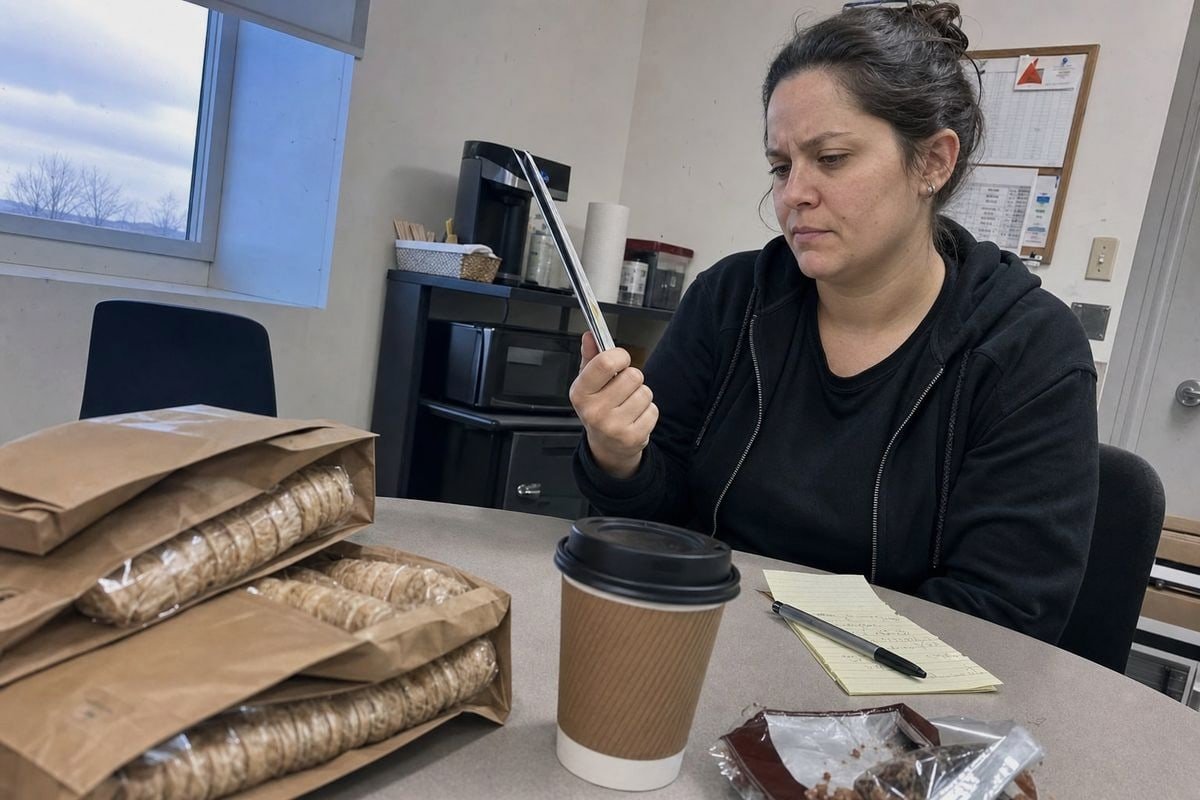
Einzelhandelsmitarbeiter müssen keine SGS-Prüfbericht 2. lesen. Sie brauchen ein kurzes, ehrliches Skript. In unseren über 17 Jahren Export von Anzündprodukten in die USA und nach Europa haben wir gelernt, dass Zertifizierungen nur dann beim Verkauf helfen, wenn jemand sie in einfachem Englisch umwandelt. Ihr Schulungsmaterial sollte diese Umwandlung also einmal klar durchführen und die Mitarbeiter sie wiederholen lassen.
Erstellen Sie eine Zertifizierungs-Übersetzungskarte
Nehmen Sie jedes Zertifikat, das Ihr Lieferant bereitstellt, und schreiben Sie für jedes drei Zeilen: Was es ist, wer es prüft und warum sich der Kunde darum kümmern sollte. Hier ist ein Format, das wir unseren Vertriebspartnern empfehlen:
| Zertifizierung | Was es verifiziert | Was Mitarbeiter sagen sollten |
|---|---|---|
| ISO 9001 | Konsistentes Qualitätsmanagement im Werk | "Jede Charge wird unter dem gleichen kontrollierten Prozess hergestellt." |
| CE-Kennzeichnung | Einhaltung europäischer Sicherheitsrichtlinien | "Dieses Produkt erfüllt die EU-Sicherheitsanforderungen für den Verkauf hier." |
| SGS / Intertek-Berichte | Unabhängige Labortests durch Dritte | "Ein externes Labor hat dies getestet – es ist nicht nur die Behauptung der Marke." |
| BSCI-Audit | Ethische, geprüfte Arbeitsbedingungen | "Es wird in einer verantwortungsvoll geprüften Fabrik hergestellt." |
Legen Sie die Grenzen dessen fest, was Mitarbeiter behaupten dürfen
Ebenso wichtig ist, was die Mitarbeiter nicht sagen dürfen. Schulen Sie sie, niemals Behauptungen wie "ungiftig zertifiziert" oder "garantiert schornsteinfest" zu erfinden, es sei denn, die Dokumentation unterstützt dies. Übermäßige Behauptungen führen zu Rücksendungen und Haftung. Wir liefern umweltfreundliche Anzünder 3 ohne schädliche Chemikalien, und selbst dann weisen wir Partner an, Behauptungen genau so zu formulieren, wie sie auf dem Etikett stehen. Führen Sie eine Spalte "Sagen / Nicht sagen" auf der Karte, überprüfen Sie sie während der Einarbeitung und aktualisieren Sie sie, wann immer sich die Verpackung oder die Lieferantendokumentation ändert.
Welche Produktdemonstrationspunkte sollte ich aufnehmen, damit die Ladenmitarbeiter diese Kunden selbstbewusst verkaufen können?
Es gibt einen Kompromiss, den wir bei der Entwicklung von Wachs-getränkten Holzrollen ständig abwägen: die Zündgeschwindigkeit versus Brenndauer. Ladenmitarbeiter, die diesen Kompromiss aus erster Hand verstehen, demonstrieren das Produkt weitaus besser als Mitarbeiter, die nur ein Datenblatt lesen.
Fünf Demonstrationspunkte einschließen: Einzelflammenzündung, sichtbares Flammenwachstum innerhalb von dreißig Sekunden, acht bis zehn Minuten brennen ohne Hände, kein Feuerzeugbenzin oder Papier erforderlich und saubere Platzierung unter Zunder. Lassen Sie die Mitarbeiter selbst eine anzünden, damit ihre Empfehlung aus eigener Erfahrung stammt.
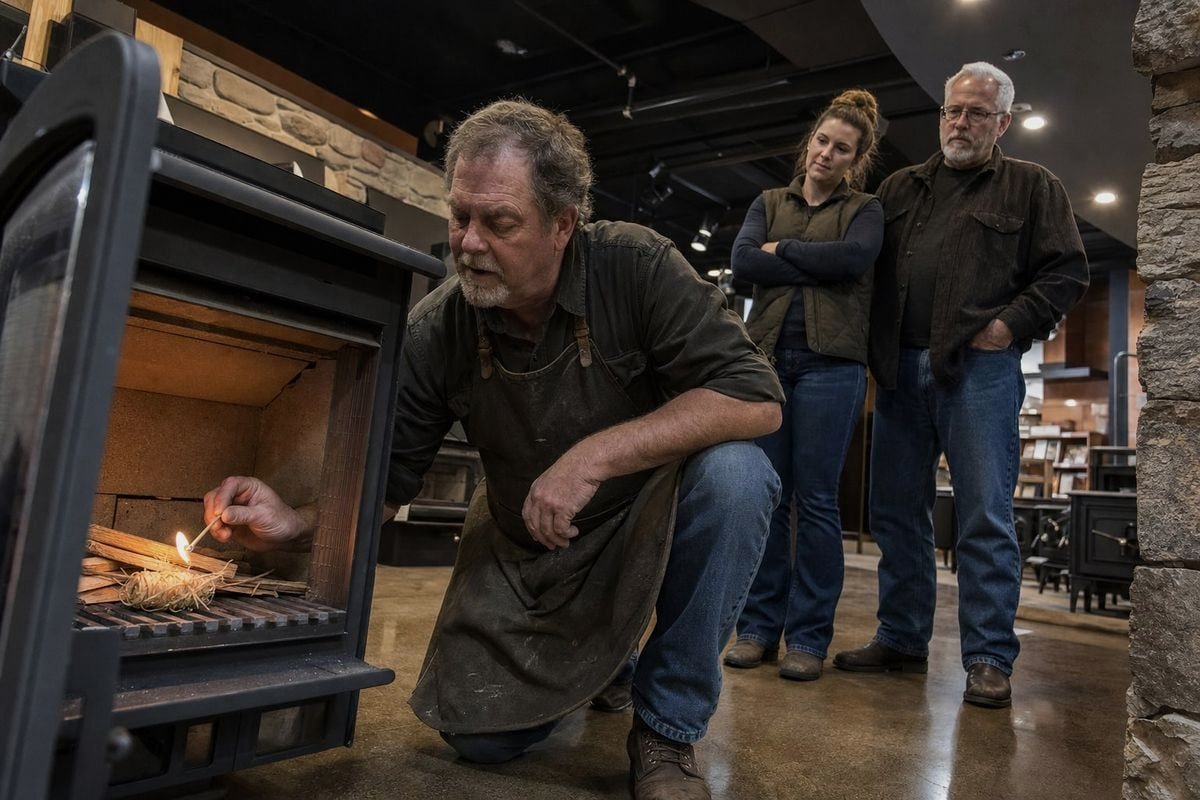
Selbstvertrauen kommt aus Erfahrung, nicht aus Auswendiglernen. Das wirkungsvollste, was ein Filialleiter tun kann, ist, eine "Live-Demo"-Sitzung durchzuführen, bei der jeder Mitarbeiter ein Feuer mit dem Produkt aufbaut und anzündet. Wenn wir Besucher von Händlern in unserer Ningbo-Anlage empfangen, beenden wir immer mit einem Live-Brand. Die Reaktion ist jedes Mal dieselbe: Sobald jemand sieht, wie sich eine Holz-Woll-Rolle mit einem Streichholz entzündet und eine gleichmäßige Flamme hält, kann er sie ohne Skript verkaufen.
Strukturieren Sie die Demonstration um die Probleme des Kunden
Produktdemonstrationen sollten die Frustration beantworten, die der Kunde bereits hat. Verankern Sie jeden Demo-Punkt an einem häufigen Problem:
- Feuchtes oder trockenes, aber kaltes Holz. Zeigen Sie, wie die anhaltende Flamme des Anzünders höhere Holzfeuchte 4 überwindet, die Zeitungspapier nicht kann.
- Kein Anzündholz zur Hand. Demonstrieren Sie die Platzierung direkt unter gespaltenen Stämmen, überspringen Sie die fummelige Anzündholz-Pyramide.
- Rauchende, langsame Starts. Erklären Sie, wie ein schneller, heißer Start den Zug verbessert und die Kreosotreduktion 5 im Laufe der Zeit unterstützt, was für die Schornsteinsicherheit wichtig ist.
- Außenbereich. Übertragen Sie dieselbe Demo auf Feuerstellen, Grills und Camping in der Nebensaison.
Nutzen Sie das Display als stillen Demonstrator
Point-of-Purchase-Displays in der Nähe von Öfen und Kaminzubehör erledigen die Hälfte der Demoarbeit. Schulen Sie die Mitarbeiter, Kunden zum Display zu führen, ihnen einen Anzünder zu geben und sie die Wachsbeschichtung und die faserige Holz-Woll-Textur fühlen zu lassen. Berührung schafft Vertrauen. Ein QR-Code am Regal, der zu einem dreißigsekündigen Beleuchtungsvideo verlinkt, erweitert die Demo über den Ladenbesuch hinaus und bietet den Mitarbeitern gleichzeitig ein Micro-Learning-Auffrischungswerkzeug.
Wie schule ich Verkaufsmitarbeiter darin, die Brenndauer und Leistungsunterschiede zwischen unseren Holzanzündern und denen der Konkurrenz zu erklären?
Die Brenndauer ist die Spezifikation, die wir während der Chargenkontrolle 6 am sorgfältigsten kalibrieren – eine Verschiebung des Wachs-Holz-Verhältnisses um wenige Prozent verändert das Ergebnis merklich. Diese Präzision zahlt sich nur aus, wenn die Verkaufsmitarbeiter sie einfach erklären können.
Schulen Sie die Mitarbeiter mit einer Vergleichstabelle nebeneinander, die Brenndauer, Zündmethode, Rückstände und Kosten pro Feuer abdeckt. Bringen Sie ihnen bei, die Brenndauer-Effizienz als "Minuten zuverlässiger Flamme pro begonnenem Feuer" zu bezeichnen und vergleichen Sie dann ehrlich mit Zeitungspapier, Fett-Holz und Paraffinwürfeln.

Mitarbeiter verlieren schnell an Glaubwürdigkeit, wenn sie Konkurrenten schlecht machen. Bringen Sie ihnen also Vergleiche bei, keine Kritik. Das Ziel ist es, dem Kunden zu helfen, das richtige Werkzeug auszuwählen, und Ihr Produkt gewinnt normalerweise durch die Kombination von Konsistenz, Sauberkeit und Wert – nicht durch eine einzelne Spezifikation.
Geben Sie den Mitarbeitern eine Vergleichstabelle, die sie auswendig zitieren können
| Anzünderart | Typische Brenndauer | Zündung | Hauptschwäche | Beste Passform |
|---|---|---|---|---|
| Wachsgetauchte Holzwolle-Rollen | 8–10 Minuten | Ein Streichholz | Leicht höherer Stückpreis als Papier | Kamine, Öfen, Feuerstellen |
| Fatwood-Anzündholz | 3–5 Minuten pro Stück | Ein Streichholz | Harzrauch; variable Qualität | Rustikale, duftgetriebene Käufer |
| Paraffinwachswürfel | 8–12 Minuten | Ein Streichholz | Petroleumgeruch; schmilzt bei Hitze | Grills, allgemeiner Gebrauch |
| Zeitungspapier / Pappe | Unter 2 Minuten | Mehrere Versuche | Asche, Rauch, inkonsistent | Notfall-Improvisation |
| Flüssige Brandbeschleuniger | Sekundenlange Flamme | Gefährliche Stichflamme | Ernsthafte Sicherheits- und Geruchsprobleme | Nicht für den Innenbereich empfohlen |
Bringen Sie den "Kosten pro erfolgreichem Feuer" neu ins Spiel
Die nützlichste Upselling-Technik hier ist Arithmetik. Eine Schachtel mit 100 Startern zu ein oder zwei Startern pro Feuer kostet Pfennige pro Zündung. Zeitungspapier ist "kostenlos", kostet aber oft drei fehlgeschlagene Versuche, einen rauchigen Raum und einen frustrierenden Abend. Schulen Sie die Mitarbeiter, damit sie sagen: "Betrachten Sie es als den Preis für eine garantierte erste Zündung." Aus unserer Exporterfahrung in über 30 Ländern leistet dieser eine Umformulierung mehr für die Anbindungsraten als jede technische Erklärung. Lassen Sie dann die Mitarbeiter die klassischen Einwände durchspielen – "Ich benutze nur Zeitungspapier" und "das ist zu teuer" – bis die ruhige, sachliche Antwort automatisch kommt.
Welche Sicherheits- und Nutzungsinformationen sollte ich bereitstellen, damit die Mitarbeiter Kundenfragen genau beantworten können?
Warnhinweise passen wir für jeden Exportmarkt an, da die Anforderungen in den USA und der EU unterschiedlich sind. Dieser Prozess hat mich gelehrt: Sicherheitsinformationen schützen Menschen nur, wenn sie in nutzbarer Form den Verkaufsraum erreichen.
Stellen Sie eine einseitige Sicherheits-FAQ bereit, die die Eignung für den Innenbereich, die Menge pro Feuer, die sichere Lagerung fern von Hitze, die Freihaltung des Brandbereichs und die niemals zu kombinierenden Anzünder mit flüssigen Brandbeschleunigern abdeckt. Schulen Sie das Personal, sich bei Unsicherheiten immer an die gedruckten Anweisungen des Herstellers zu halten.

Sicherheitsfragen sind eigentlich Kaufsignale. Wenn ein Kunde fragt "Ist das sicher für meinen Holzofen?", sind sie nur eine gute Antwort vom Kauf entfernt. Strukturieren Sie daher Ihr Sicherheitstraining als Antworten auf die genauen Fragen, die Kunden stellen, und nicht als Liste rechtlicher Warnungen.
Die fünf Fragen, die die Mitarbeiter richtig beantworten müssen
| Kundenfrage | Korrekte Mitarbeiterantwort |
|---|---|
| "Ist das drinnen sicher?" | "Ja – es besteht aus Holzfasern und Wachs, für Kamine und Öfen konzipiert. Befolgen Sie immer die Anweisungen auf dem Etikett." |
| "Wie viele brauche ich?" | "Normalerweise einer pro Feuer, zwei, wenn Ihr Holz groß ist oder die Feuchtigkeitsgehalt 7 hoch ist." |
| "Wie soll ich sie lagern?" | "An einem kühlen, trockenen Ort, fern vom Herd und außerhalb der Reichweite von Kindern." |
| "Kann ich es mit Feuerzeugbenzin verwenden?" | "Nein – kombinieren Sie niemals Starter mit flüssigen Brandbeschleunigern. Der Starter ersetzt sie vollständig." |
| "Beeinflusst es die Luftqualität?" | "Es brennt sauberer als Zeitungspapier oder Brandbeschleuniger, mit weniger Rauch beim Start." |
Fügen Sie eine einfache Pre-Sale-Sicherheitscheckliste hinzu
Geben Sie den Mitarbeitern eine Drei-Schritte-Checkliste, die sie beim Bezahlen erwähnen sollen: Überprüfen Sie den Starter auf Beschädigungen, räumen Sie den Feuerraum vor dem Anzünden frei und befolgen Sie die aufgedruckten Anweisungen auf der Verpackung. Das dauert zehn Sekunden und positioniert Ihr Geschäft als Experten. In unserer Compliance-Arbeit für europäische und nordamerikanische Einzelhändler sehen die Geschäfte, die proaktiv über Sicherheit sprechen, weniger Rückgaben und weniger Missverständnisse. Schulen Sie schließlich die Mitarbeiter in ehrlicher Passform: Wenn ein Kunde einen Gaskamin hat, ist die richtige Antwort "Sie brauchen das nicht", und diese Ehrlichkeit verdient den nächsten Verkauf.
Schlussfolgerung
Großartiges Training verwandelt einen kleinen Verbraucherartikel in stetige Einnahmen. Erklären Sie Zertifizierungen einfach, demonstrieren Sie live, vergleichen Sie ehrlich und beantworten Sie Sicherheitsfragen genau – verstärken Sie dies dann mit Übung und Updates.
Fußnoten
Definiert die Einzelhandelsmetrik, die zur Messung des Erfolgs des Verkaufs von Zubehör neben Primärprodukten verwendet wird. ↩︎
Verweist auf die unabhängige Testbehörde, auf die sich Kunden und Mitarbeiter zur Überprüfung beziehen. ↩︎
EPA Safer Choice definiert Standards für Produkte, die ohne schädliche Chemikalien hergestellt werden. ↩︎
EPA Burn Wise erklärt die Feuchtigkeit von Brennholz und ihre Auswirkungen auf sauberes, effizientes Verbrennen. ↩︎
Chimney Safety Institute of America bietet maßgebliche Anleitungen zu Ruß und Kaminwartung. ↩︎
Bietet eine technische Definition der Qualitätskontrollprozesse, die bei der Herstellung von Feuerstartern verwendet werden. ↩︎
Offizielle EPA-Ressource, die die Bedeutung von Holzfeuchtigkeitsgehalten für eine effiziente Verbrennung erklärt. ↩︎



 English
  Spanish
  German
  French
  Arabic
  Portuguese
Diskutieren Sie mit