







عبوات مخاريط الصنوبر الملونة للمدافئ يتم رفضها في الجمارك أكثر مما يتوقع معظم المشترين. في خط الإنتاج لدينا، رأينا منتجات جيدة تفشل لمجرد وجود ملصقات سيئة.
يجب أن تتضمن عبوة أكواز الصنوبر الملونة للمدفأة قائمة بأملاح المعادن المحددة المستخدمة في تلوين اللهب بالاسم الكيميائي، وتحمل كلمات الإشارة الخاصة بقانون سلامة المنتجات الاستهلاكية (FHSA) مثل تحذير (WARNING) أو تنبيه (CAUTION)، وتوضح المخاطر الرئيسية، وتتضمن تعليمات الإسعافات الأولية، وبيان "يُحفظ بعيدًا عن متناول الأطفال"، وقيود الاستخدام ضد حرائق الطهي، وأي تحذير مطلوب بموجب الاقتراح 65.
هذه هي الإجابة المختصرة. لكن التفاصيل تحدد ما إذا كانت شحنتك ستجتاز الجمارك وتبقى على الرفوف. دعني أرشدك عبر كل متطلب، سوقًا بسوق.
ما هي الشهادات التي أحتاجها لإثبات أن مخاريط الصنوبر الملونة الخاصة بي آمنة للاستيراد؟
سألنا موزع ألماني ذات مرة عن ملف اختبار كامل قبل أن يناقش حتى التسعير. علمتني تلك المحادثة كيف يقيم المشترون الامتثال حقًا اليوم.
لاستيراد مخاريط الصنوبر الملونة بأمان، تحتاج إلى تقارير اختبار من SGS أو Intertek تغطي محتوى المعادن الثقيلة واختبارات القابلية للاشتعال، وصحيفة بيانات السلامة لكيمياء الملونات، ووثائق متعلقة بـ CE للاتحاد الأوروبي، بالإضافة إلى شهادات على مستوى المورد مثل ISO 9001 و BSCI لإثبات الإنتاج المتسق والمدقق.
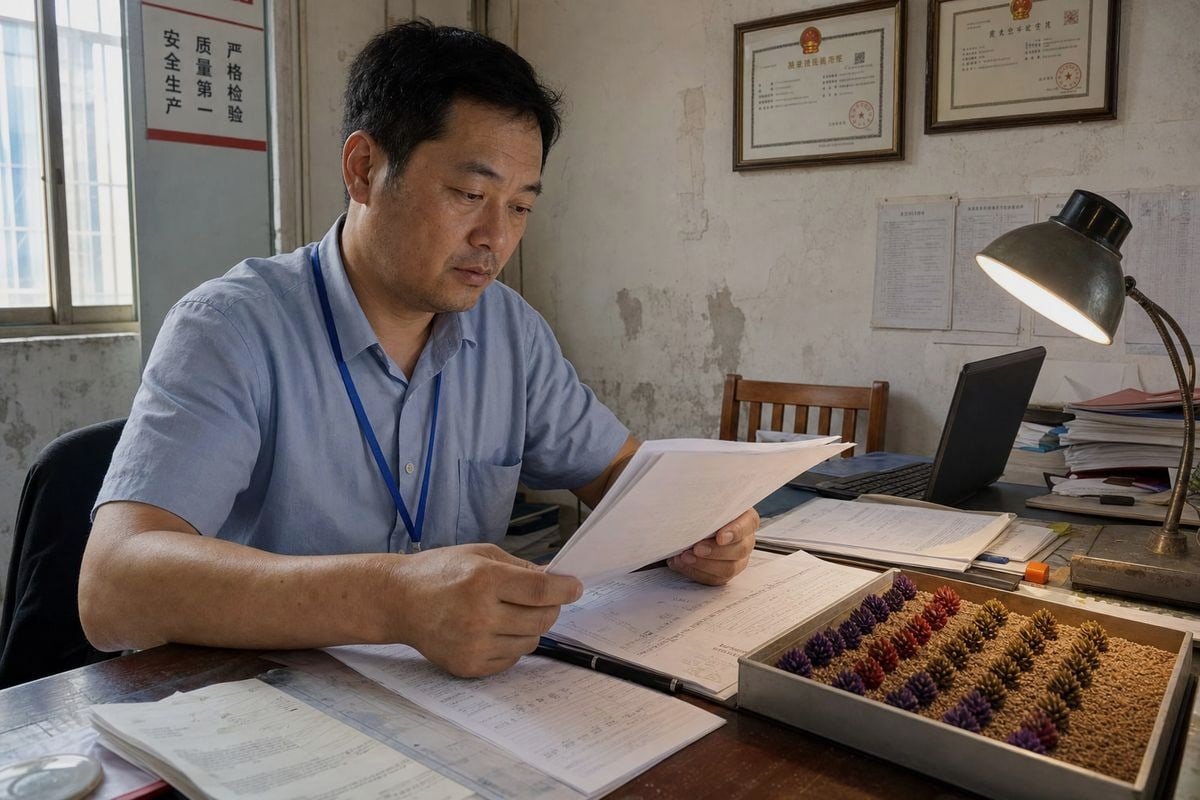
الشهادة ليست وثيقة واحدة. إنها مجموعة من الوثائق، وكل منها يجيب على سؤال مختلف من مسؤول جمارك، أو بائع تجزئة، أو مكتتب تأمين. في خبرتنا التي تزيد عن 17 عامًا في تصدير المنتجات ذات الطابع الناري إلى أكثر من 30 دولة، تعلمنا أن فقدان طبقة واحدة يمكن أن يؤدي إلى احتجاز حاوية في الميناء لأسابيع.
مكدس الشهادات، طبقة تلو الأخرى
فكر في الأمر على ثلاثة مستويات. أولاً، يثبت اختبار المنتج أن المخاريط نفسها آمنة. ثانيًا، تثبت الوثائق الكيميائية أن تركيبة الملونات تم الكشف عنها وتقييمها. ثالثًا، تثبت عمليات تدقيق المصنع أن البضائع التي تتلقاها العام المقبل ستطابق العينة التي وافقت عليها هذا العام.
| وثيقة | ما يثبته | من يطلبها |
|---|---|---|
| تقرير اختبار SGS / Intertek | محتوى المعادن الثقيلة 1, ، نتائج اختبار القابلية للاشتعال | الجمارك، تجار التجزئة، المستوردون |
| صحيفة بيانات السلامة 2 (صحيفة بيانات السلامة) | الهوية الكيميائية الكاملة وملف المخاطر للملونات | سلطات الاتحاد الأوروبي، تجار التجزئة الأمريكيون، شركات التأمين |
| وثائق CE | الامتثال للتوجيهات المعمول بها في الاتحاد الأوروبي | مستوردو وموزعو الاتحاد الأوروبي |
| تقييم المخاطر السمية | منتجات الاحتراق لا تشكل خطرًا غير معقول | سلاسل البيع بالتجزئة الكبيرة، مراقبة السوق في الاتحاد الأوروبي |
| شهادة ISO 9001 | نظام إدارة الجودة المدقق | المشترون من الشركات الذين يقومون بالعناية الواجبة |
| تقرير تدقيق BSCI | ظروف المصنع الأخلاقية والمتوافقة | فرق توريد التجزئة الأمريكية والأوروبية |
لماذا يعتبر اختبار الدُفعات أكثر أهمية من شهادة لمرة واحدة
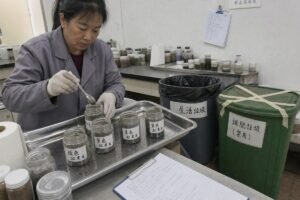
تقرير اختبار من ثلاث سنوات مضت لا يثبت الكثير. يمكن أن تختلف أملاح المعادن المصدرة من موردين مختلفين في نقاوتها، والشوائب النزرة تحول محتوى المعادن الثقيلة من دفعة إلى أخرى. نحن نجري مراقبة الجودة من دفعة إلى أخرى 3 على وجه التحديد لأن تقريرًا نظيفًا واحدًا لا يضمن الحاوية التالية. عند فحص مورد، اسأل عن مدى حداثة تقاريره وما إذا كانوا يعيدون الاختبار عندما تتغير مصادر المواد الخام. المصنع الذي يتردد في هذا السؤال هو مصنع يجب تجنبه. يطلب عملاؤنا في ألمانيا وهولندا عادةً تقارير مؤرخة في الأشهر الاثني عشر الماضية، ونحن نعتبر ذلك معيارًا معقولًا للصناعة بأكملها.
ما هي قواعد الإفصاح عن المكونات التي تنطبق على منتجات اللهب الملون في سوقي المستهدف؟
عندما قمنا بتطوير أول تركيبة لمخاريط الصنوبر الملونة باللهب، ناقش الكيميائيون لدينا سؤالًا واحدًا لأسابيع: ما مقدار الوصفة التي يجب وضعها على الملصق؟ فاجأت الإجابة حتى نحن.
تتطلب قواعد الكشف عن المكونات تسمية المواد الكيميائية النشطة الملونة للهب - مثل كبريتات النحاس، أو كلوريد السترونشيوم، أو حمض البوريك - بالاسم الشائع أو الكيميائي على الملصق. المصطلحات الغامضة مثل "مادة ملونة" تفشل في متطلبات FHSA في الولايات المتحدة ومعايير وضع العلامات المتوافقة مع GHS في الاتحاد الأوروبي.
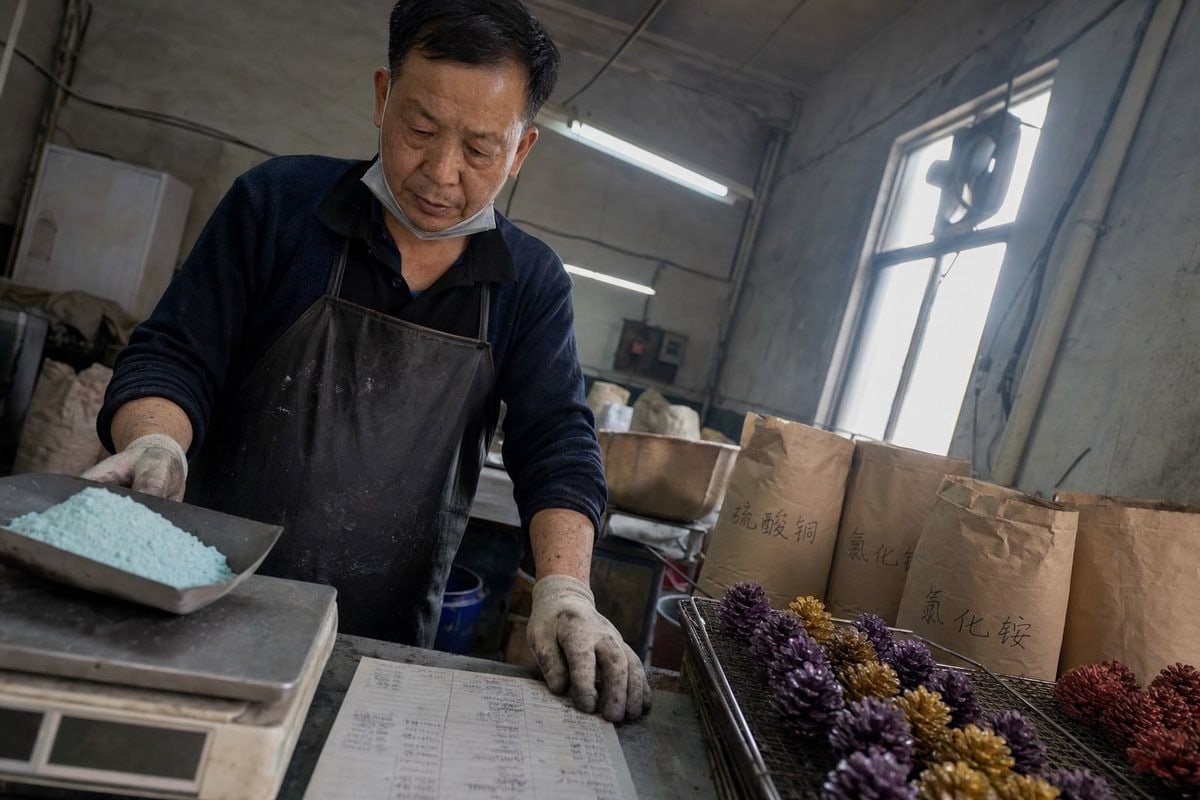
المبدأ الأساسي بسيط. إذا كانت مادة كيميائية في منتجك يمكن أن تؤذي شخصًا ما، فإن المستهلك لديه الحق في معرفة ماهيتها بالضبط. تعمل مخاريط الصنوبر المتغيرة اللون لأن المخاريط الطبيعية تُعالج بأملاح معدنية تنبعث منها ألوان محددة عند حرقها. مركبات النحاس تعطي اللون الأزرق والأخضر. السترونشيوم يعطي اللون الأحمر. البوتاسيوم يعطي اللون البنفسجي. كل مركب له ملف أمان مختلف، لذا يجب أن يحدد الملصق كل واحد على وجه التحديد.
ليست كل الملونات تحمل نفس المخاطر
هنا يقع العديد من المشترين الجدد في الارتباك. تستخدم بعض التركيبات مواد منزلية خفيفة نسبيًا. يستخدم البعض الآخر مركبات تعتبر مهيجات أو سموم حقيقية. يجب أن يعكس التغليف هذا الاختلاف بصدق.
| فئة الملونات | أمثلة | لون اللهب النموذجي | قلق الكشف |
|---|---|---|---|
| أملاح منخفضة المخاطر | ملح الطعام، ملح إبسوم، البوراكس | أصفر، أبيض، أخضر | لا يزال يجب تسميتها؛ البوراكس له قيود في الاتحاد الأوروبي |
| أملاح متوسطة المخاطر | كلوريد البوتاسيوم، كلوريد الكالسيوم | بنفسجي، برتقالي | مطلوب الاسم؛ قد تنطبق تحذيرات المهيجات |
| أملاح عالية المخاطر | كبريتات النحاس، كلوريد النحاس، كلوريد السترونشيوم، كلوريد الليثيوم | أزرق، أخضر، أحمر | كشف كامل بالإضافة إلى بيانات المخاطر المطلوبة |
| بدائل محظورة | النترات والكلورات والبرمنجنات | متنوع | يجب ألا تظهر أبدًا في منتجات الإشعال الاستهلاكية |
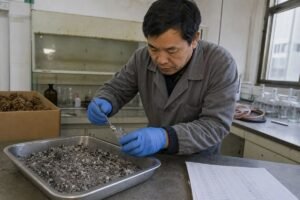
الصف الأخير يستحق التأكيد. إرشادات التركيب ذات السمعة الطيبة صريحة بشأن ذلك: لا تقبل أبدًا النترات أو الكلورات 4 كبدائل. يمكن لهذه المؤكسدات أن تنتج منتجات ثانوية ضارة عند حرقها وتغيير التصنيف التنظيمي للمنتج بالكامل. عندما نقوم بفحص المواد الخام الواردة في نينغبو، فإن تلوث المؤكسدات هو أحد أول الأشياء التي نختبرها.
صحيفة بيانات السلامة هي جزء من التزامك بالإفصاح
من الناحية العملية، تعمل الملصقات معًا مع صحيفة بيانات السلامة. تحدد الملصقات المواد الكيميائية وتذكر المخاطر. تقدم صحيفة بيانات السلامة التفاصيل الكاملة - نطاقات التركيب،, البيانات السمية 5, ، نصائح التعامل، وإرشادات التخلص. سيطلب المشترون في الاتحاد الأوروبي بموجب قواعد CLP 6 وتجار التجزئة الأمريكيون على حد سواء صحيفة بيانات السلامة قبل إدراج منتجك. المورد الذي لا يستطيع أن يقدم لك حزمة تسمية حالية ومتوافقة مع GHS مع صحيفة بيانات سلامة مطابقة هو تخمين للامتثال، وليس ممارسته. نقطة إفصاح أخرى يثيرها المشترون بشكل متزايد: الرابط. يجب الإعلان عن طلاءات الشمع أو المواد اللاصقة بأنها خالية من PFAS، لأن العديد من الولايات الأمريكية تقيد الآن إضافة PFAS المتعمدة في المنتجات الاستهلاكية.
كيف يجب أن أصيغ ملصقات التحذير لتلبية متطلبات الامتثال الأمريكية والأوروبية؟
صياغة نص التحذير هي الخطوة التي يطلب فيها عملاؤنا من مصنعي المعدات الأصلية المساعدة في أغلب الأحيان. الصياغة ليست كتابة إبداعية. إنها تتبع هياكل تنظيمية ثابتة على جانبي المحيط الأطلسي.
تتبع الملصقات الأمريكية قانون المواد الخطرة الفيدرالي: كلمة إشارة (تحذير أو تنبيه)، وبيانات المخاطر مثل "مهيج للعين"، وتعليمات الإسعافات الأولية، و "يحفظ بعيدًا عن متناول الأطفال" على اللوحة الأمامية. تتبع الملصقات الأوروبية CLP مع رسوم بيانية GHS، وبيانات H، وبيانات P باللغة المحلية.

يشترك النظامان في نفس المنطق ولكنهما يستخدمان مفردات مختلفة. احصل على الهيكل الصحيح أولاً، ثم قم بتكييف اللغة. إليك كيف تتوافق العناصر المطلوبة.
| عنصر الملصق | الولايات المتحدة (FHSA / CPSC) | الاتحاد الأوروبي (CLP / GHS) |
|---|---|---|
| كلمة الإشارة | خطر، تحذير، أو تنبيه بناءً على السمية | خطر أو تحذير حسب التصنيف |
| بيان الخطر | "ضار إذا ابتلع"، "قد يسبب تهيج الجلد" | بيانات H، على سبيل المثال، H302، H315، H319 |
| نص احترازي | تعليمات التعامل والتخزين والإسعافات الأولية | بيانات P، على سبيل المثال، P102، P280، P305 |
| خط أمان الطفل | "يحفظ بعيدًا عن متناول الأطفال" على اللوحة الأمامية | P102 "يحفظ بعيدًا عن متناول الأطفال" |
| الصور الرمزية | غير إلزامي بموجب FHSA ولكنه شائع | رسوم بيانية GHS إلزامية حيث تم تصنيفها |
| اللغة | الإنجليزية | اللغة الرسمية لكل بلد وجهة |
تحذيرات الاستخدام التي تتجاوز المخاطر الكيميائية
التحذيرات الكيميائية وحدها لا تكفي. تتوقع لجنة سلامة المنتجات الاستهلاكية وضع العلامات لمعالجة الاستخدام المتوقع، ولأكواز الصنوبر الملونة مخاطر خاصة بالاستخدام يجب أن تظهر بكلمات واضحة:
- لا تطبخ. اذكر بوضوح: لا تطبخ الطعام أو تشوي المارشميلو فوق اللهب الذي يحتوي على هذه الأكواز. بقايا أملاح المعادن لا تنتمي بالقرب من الطعام.
- لا تستخدم الأجهزة التحفيزية. يمكن لأملاح المعادن أن تسمم المحارق التحفيزية في مواقد الحطب وتتلفها بشكل دائم. هذا التحذير يحميك من مطالبات تلف الأجهزة المكلفة.
- التهوية والسحب. استخدم فقط في المدافئ أو مواقد النار ذات السحب الجيد. تسمح إعدادات السحب الضعيف بتراكم البقايا والجزيئات في الداخل.
- حدود الكمية. اطلب من المستخدمين حرق مخروط واحد أو عدد قليل من المخاريط في المرة الواحدة، حسب التوجيهات.
- التعامل. اغسل يديك بعد التعامل؛ تجنب ملامسة الجلد والعين؛ قم بالتخزين مغلقًا، بعيدًا عن الأطفال والحيوانات الأليفة.
سؤال الاقتراح 65
إذا كنت تبيع في كاليفورنيا، قم بإجراء كاليفورنيا Proposition 65 7 مراجعة قبل طباعة أي شيء. يمكن لأملاح الملونات غير درجة الكاشف أن تحمل شوائب ضئيلة مثل الرصاص أو الكادميوم 8. إذا تجاوزت مادة كيميائية مدرجة مستويات الملاذ الآمن، فأنت بحاجة إلى تحذير "واضح ومعقول" على العبوة. في تجربتنا في الشحن إلى موزعي الولايات المتحدة، فإن المسار الأنظف هو الحصول على أملاح عالية النقاء بحيث تظهر الاختبارات عدم وجود تحذير - ولكن يجب أن يستند هذا القرار إلى بيانات اختبار حقيقية، وليس افتراضًا. استشارة فنية تطلبها بعض متاجر التجزئة الممتازة الآن: لاحظ أن بقايا الاحتراق قد تؤثر على مستشعرات الدخان البصرية في بعض الأجهزة الحديثة.
هل يمكن لموردي توفير تقارير اختبار وملصقات مخصصة لتغليف العلامة التجارية الخاصة؟
أرسل لي مشترٍ بريطاني مؤخرًا كيسًا من ورق الكرافت لأحد المنافسين وسألني عما إذا كان بإمكاننا مطابقته - مع علامته التجارية، ورمزه الشريطي، ونص تحذير متوافق تمامًا. هذا الطلب هو بالضبط ما يجب أن يكون المصنع الحقيقي قادرًا على قوله نعم.
يجب أن يوفر المورد الكفء تقارير اختبار SGS أو Intertek الحالية، وصحيفة بيانات سلامة خاصة بالمنتج، ودعمًا كاملاً للعلامة التجارية الخاصة: أكياس مخصصة، وصناديق، وتغليف عرض مطبوع مسبقًا بعلامتك التجارية، وملصقات تحذير صحيحة للسوق، ورموز شريطية، ونصوص امتثال متعددة اللغات - كل ذلك قبل مغادرة البضائع للمصنع.
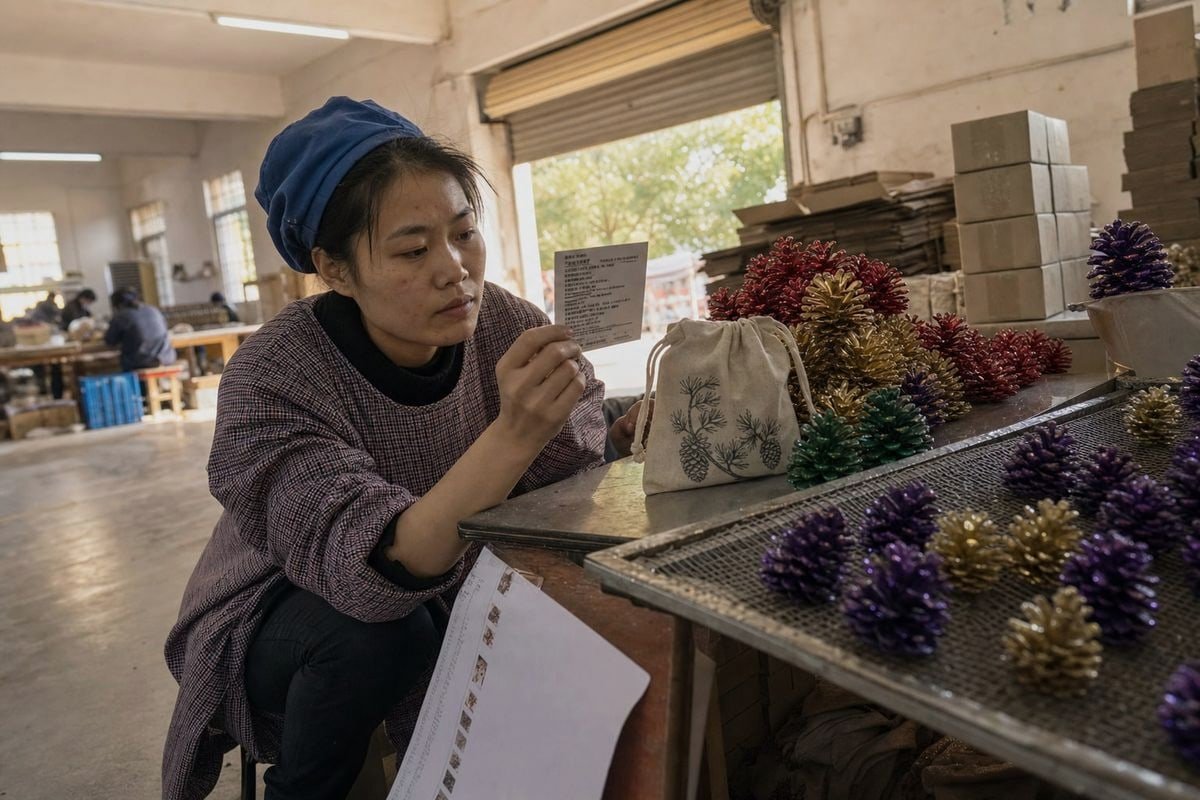
العلامة التجارية الخاصة هي المكان الذي يلتقي فيه الامتثال والعلامة التجارية، وهي المكان الذي غالبًا ما تفشل فيه شركات التجارة. إنهم يعيدون بيع مخاريط شخص آخر ولا يمكنهم التحكم في التركيبة، لذلك لا يمكنهم الوقوف وراء الملصق. يمكن للمصنع الذي لديه خطوط إنتاج خاصة به مواءمة الكيمياء وملف الاختبار والتعبئة المطبوعة كحزمة واحدة متماسكة.
ما يجب أن يقدمه شريك OEM/ODM جاد
في منشأتنا، يمر مشروع العلامة التجارية الخاصة بتسلسل ثابت، وأوصي بأن تلزم أي مورد بشيء مماثل:
- تأكيد التركيبة. الاتفاق على كيمياء الملونات الدقيقة وألوان اللهب. هذا يحدد نص الإفصاح عن المكونات.
- حزمة الوثائق. استلام SDS وتقارير الاختبار الحديثة وملخص تقييم المخاطر السمية لسجلاتك وفريق إلحاق تجار التجزئة الخاص بك.
- مراجعة تصميم الملصق. يقوم المورد بصياغة أو مراجعة نص التحذير لسوقك المحدد — هيكل FHSA للولايات المتحدة، وهيكل CLP للاتحاد الأوروبي — باللغات المطلوبة.
- بناء التعبئة والتغليف. اختر التنسيقات: أكياس كرافت قابلة للوقوف مع نوافذ شفافة، أكياس هدايا من الخيش، جرار، أو صناديق عرض البيع بالتجزئة. توضع الباركود ورموز الدُفعات في هذه المرحلة.
- عينة ما قبل الإنتاج. الموافقة على عينة تعكس جودة الإنتاج الضخم. يعني التحكم الصارم من دفعة إلى أخرى أن الحاوية يجب أن تتطابق مع تلك العينة.
- تخطيط اللوجستيات. تحتاج السلع المتعلقة بالنار إلى تصنيف شحن ووثائق صحيحة؛ يقوم المصدر ذو الخبرة بتحسين ذلك بدلاً من تركه لشركة الشحن الخاصة بك.
أسئلة لطرحها قبل الالتزام
اطلب تواريخ التقارير واسم مختبر الاختبار. اسأل عما إذا كانت SDS تتطابق مع التركيبة الدقيقة في طلبك، وليس نسخة عامة. اسأل من يتحمل المسؤولية إذا تبين أن الملصق غير مطابق لاحقًا. واسأل عن الحد الأدنى لكميات الطلبات التجريبية - سيقوم المصنع الواثق بدعم دفعة أولى أصغر حتى تتمكن من التحقق من صحة المنتج والتعبئة والتغليف في سوقك قبل التوسع. تستغرق هذه الأسئلة عشر دقائق ويمكن أن توفر عليك شحنة مرفوضة.
خاتمة
تغليف مخاريط الصنوبر الملونة للنار المتوافقة تسمي كل ملح معدني، وتحذر بوضوح، وتستند إلى تقارير اختبار حقيقية. الشراكة مع مصنع يقدم الثلاثة من اليوم الأول.
ملاحظات ختامية
تشرح منظمة الصحة العالمية المخاطر الصحية للتعرض للمعادن الثقيلة ذات الصلة باختبار نقاء الملونات. ↩︎
يحدد معيار التواصل بشأن المخاطر الخاص بإدارة السلامة والصحة المهنية متطلبات صحيفة بيانات السلامة المشار إليها هنا. ↩︎
نظرة عامة شاملة على معايير ISO 9001 لإدارة الجودة واتساق الإنتاج. ↩︎
تشرح الخلفية حول العوامل المؤكسدة سبب كون هذه المواد الكيميائية بدائل غير آمنة. ↩︎
 English
  Spanish
  German
  French
  Arabic
  Portuguese
انضم إلى المحادثة