






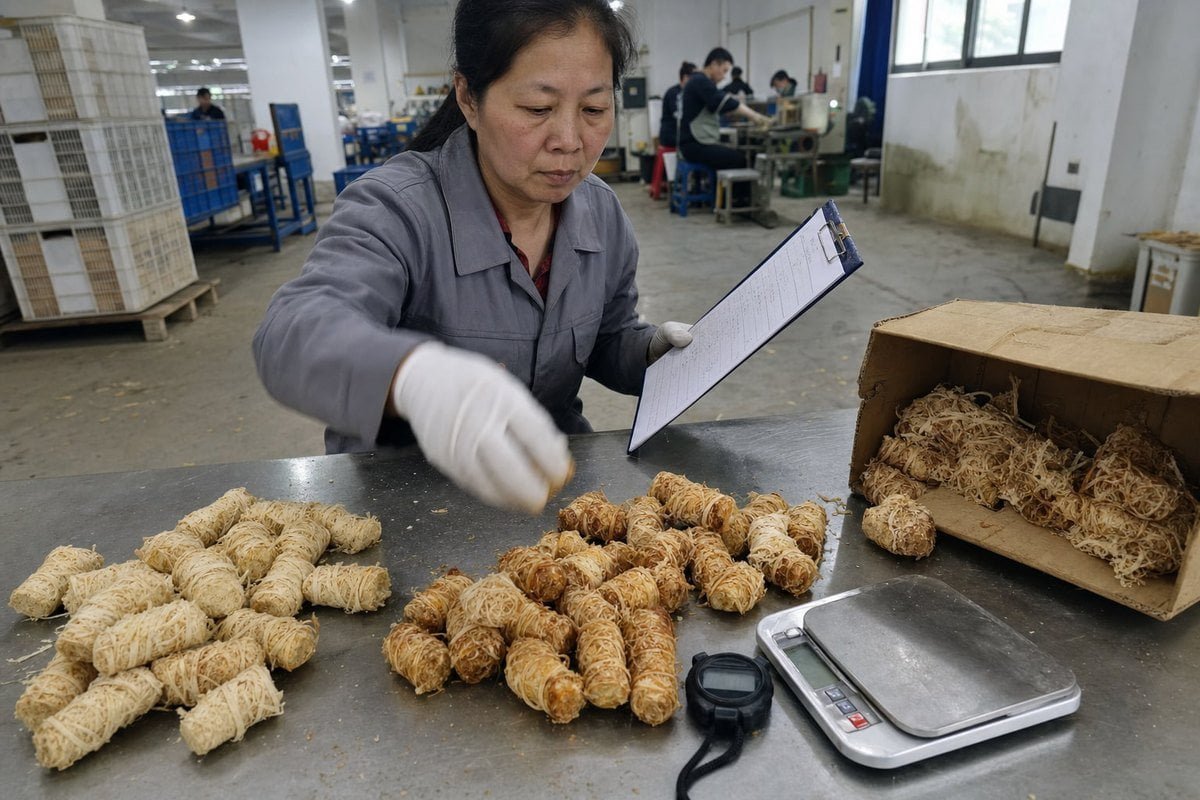
أسباب الإرجاع لـ بادئات إشعال النار الخشبية 1 يقلق كل مستورد أقابله. تُدمر المرتجعات بهدوء هوامش الربح، وبعد 17 عامًا من تشغيل خطوط الإنتاج لدينا، أعرف أن معظمها يعود إلى المواصفات.
معظم مرتجعات بادئات إشعال الخشب تنبع من فشل مواصفات قابلة للقياس: وقت الاحتراق أقصر من المدة المحددة، حجم الوحدة أو وزن العبوة غير صحيح، محتوى الرطوبة أعلى من 15% أو نسب شمع خاطئة، وتغليف أو تسمية لا تتطابق مع تركيبة المنتج الفعلية بالداخل.
دعني أفصل كل فئة. سأوضح لك [الشكاوى التي تتوافق مع كل مواصفة، وكيفية منعها](https://sunrichfire.com/how-avoid-common-wood-fire-starter-complaints-sourcing-products/) قبل شحن حاويتك.
ما هي تناقضات وقت الاحتراق التي تسبب أكبر عدد من عمليات إرجاع العملاء؟
أرسل لي موزع ألماني ذات مرة تقييمًا بنجمة واحدة جاء فيه ببساطة: "مات في أربع دقائق". هذا السطر الواحد علم فريق مراقبة الجودة لدينا أكثر من أي ورقة مواصفات على الإطلاق خشب معتمد من مجلس رعاية الغابات (FSC) 2.
تحدث مرتجعات وقت الاحتراق عندما يقل وقت الاحتراق الفعلي عن النطاق المحدد، وعادة ما يكون ذلك بسبب تشبع الشمع غير المتساوي، أو تباين الكثافة بين الدُفعات، أو المخزون المتدهور. المشترون الذين يتوقعون 8-15 دقيقة ولكن يحصلون على 3-5 دقائق يقدمون مطالبات "غير كما هو موصوف" على الفور تقريبًا.
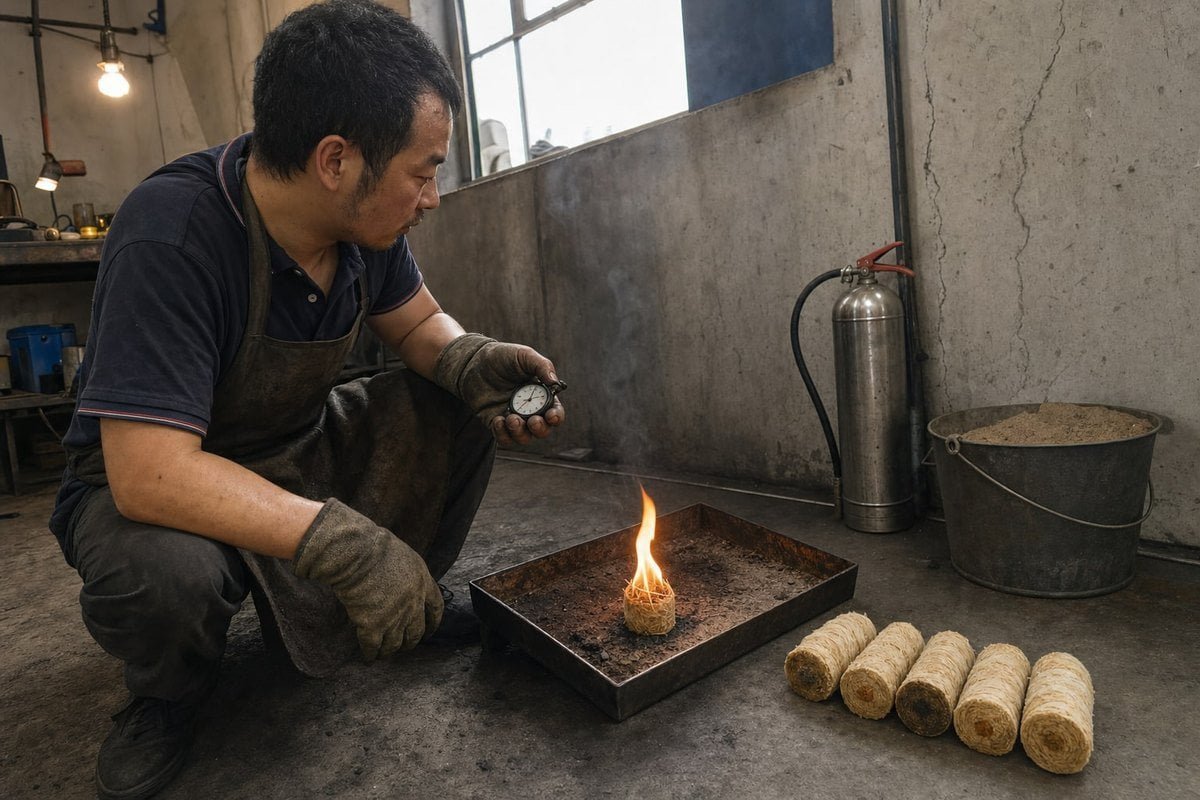
مدة وقت الاحتراق هي الرقم الأكثر ذكرًا في أي قائمة لبادئ الاشتعال. وهي أيضًا أسهل مواصفات للفشل. عندما يقرأ العميل "يحترق لمدة 10 دقائق" ويموت القرص قبل أن يشتعل وقوده، فإنه لا يلوم تقنيته. إنه يلوم المنتج. ثم يعيده.
لماذا تختلف أوقات الاحتراق بين الدُفعات
في منشأتنا في نينغبو، تعلمنا مبكرًا أن امتصاص الشمع يختلف باختلاف كثافة الألياف. الملفات الملفوفة بشكل فضفاض صوف الخشب 3 تمتص المزيد من الشمع وتحترق لفترة أطول. الملفات المضغوطة بإحكام تمتص أقل وتحترق بسرعة. إذا لم يتحكم المورد في شد اللف 4, ، يمكن لعلبتين من نفس الطلب أن تؤدي أداءً مختلفًا جدًا. يضيف المخزون القديم مشكلة أخرى. يمكن للملفات المغمسة بالشمع التي تبقى في مستودعات رطبة أن تفقد موثوقية الاشتعال، بينما تصبح الألياف الجافة هشة وتتفتت أثناء النقل.
إليك كيف تتوافق شكاوى وقت الاحتراق الشائعة مع الأسباب الجذرية:
| شكوى العميل | فشل المواصفات الأساسي | السبب الجذري النموذجي |
|---|---|---|
| "احترق في 3 دقائق" | مدة الاحتراق أقل من النطاق المحدد | تشبع الشمع غير الكافي |
| "اللهب ضعيف جدًا لإشعال جذوع الأشجار" | انخفاض إنتاج الحرارة | قلب ألياف مضغوط بشكل مفرط |
| "بعضها عمل، وبعضها لم يعمل" | عدم اتساق الدُفعة | لا يوجد اختبار احتراق لكل دُفعة |
| "تفتت قبل أن أتمكن من استخدامه" | تدهور هيكلي | مخزون قديم، نسبة شمع منخفضة |
الحل إجرائي، وليس معقدًا. نحن نختبر عينات الاحتراق من كل دفعة ونسجل النتائج, ، بحيث تعكس العينة التي يوافق عليها المشتري الإنتاج الضخم بشكل حقيقي. أي مصنع يتخطى اختبار كل دفعة يقوم بتصدير مرتجعات مستقبلية مع البضائع.
كيف تؤدي مواصفات الحجم أو الوزن غير الصحيحة إلى شكاوى المشترين؟
عندما نقتبس طلبًا بعلامة تجارية خاصة، فإن أول ما يسأل عنه مديرو المشتريات الجادون هو تحمل وزن الوحدة 5 - وليس السعر. هناك سبب وجيه لذلك.
أخطاء الحجم والوزن تؤدي إلى عمليات إرجاع لأن المشترين يحكمون على القيمة حسب العدد والكتلة. تبدو الأقراص الصغيرة وكأنها غش، والوحدات الكبيرة تكسر عدد العبوات وحسابات الشحن، وتباين الوزن الذي يزيد عن حوالي ±10% يجعل عملاء التجزئة يشعرون بالخداع من خلال القائمة.
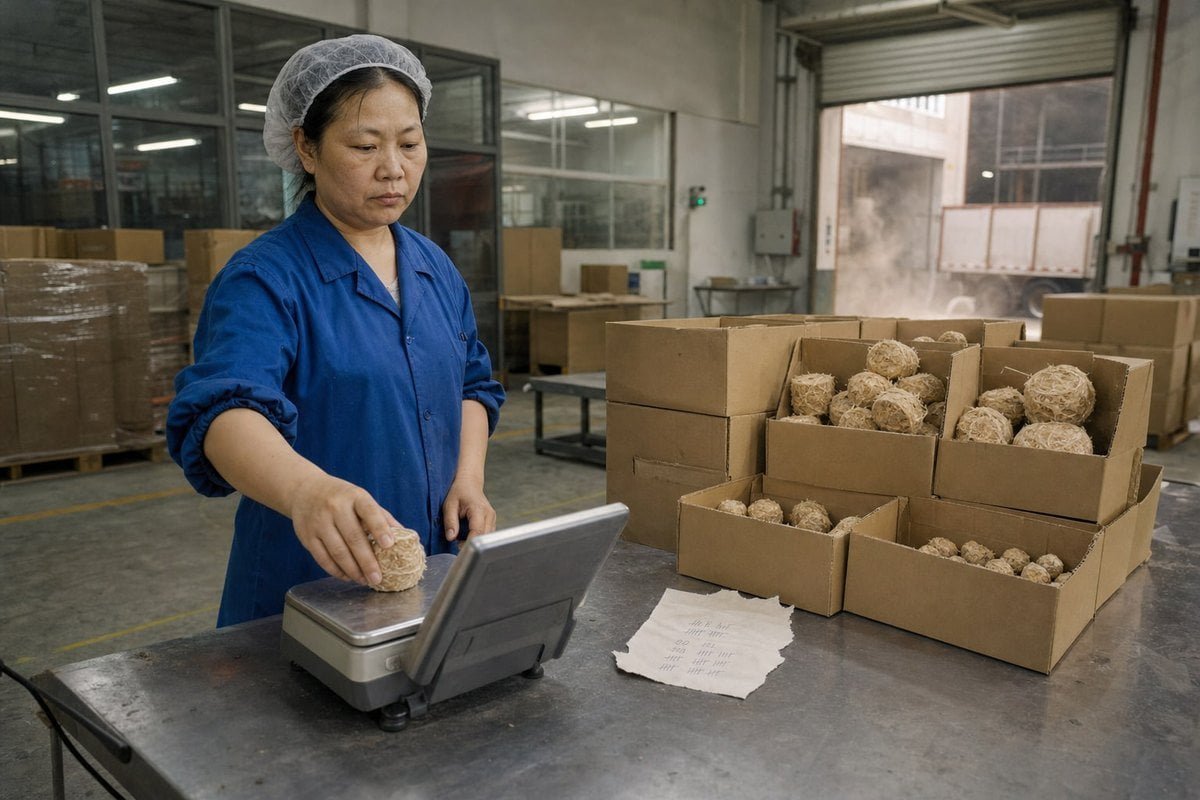
تبدو المواصفات المادية مملة مقارنة بكيمياء الاشتعال. ومع ذلك، في خبرتنا التصديرية عبر الولايات المتحدة وأوروبا، فإنها تولد حصة مفاجئة من النزاعات. بادئ الاشتعال هو سلعة تُشترى بشكل متكرر. يتذكر العملاء كيف كان ملمس صندوق الشهر الماضي. إذا كانت أقراص هذا الشهر أخف بمقدار 20%، فإنهم يلاحظون ذلك على الفور.
الطرق الثلاث لفشل المواصفات المادية
أولاً، انحراف حجم الوحدة. يمكن أن تختلف لفات الصوف الخشبي الملفوفة يدويًا إذا لم يتم تدريب المشغلين على قالب ثابت. القرص الصغير جدًا يحترق بسرعة. القرص الكثيف جدًا يخنق تدفق الهواء ويخنق لهبه الخاص. مساحة السطح مهمة - الكتل المضغوطة ذات الألياف المكشوفة القليلة جدًا تحد من ملامسة الأكسجين وتبطئ انتشار اللهب.
ثانيًا، أخطاء عدد العبوات. صندوق مُلصق عليه "100 قطعة" يتم شحنه بـ 92 قطعة هو مرتجع تلقائي وغالبًا ما يكون عقوبة على المنصة. نقوم بفحص وزن كل صندوق بيع بالتجزئة على خط الإنتاج لدينا لهذا السبب بالضبط.
ثالثًا، متانة النقل. اللفائف الهشة التي تتفتت إلى نشارة سائبة تصل وهي تبدو كمواد تغليف، وليس كمنتج. يلتقط المشترون صورًا للفوضى ويفتحون مطالبة.
| المواصفات المادية | الممارسة المقبولة | خطر الإرجاع إذا تم تجاهله |
|---|---|---|
| وزن الوحدة | التفاوت المحدد في أمر الشراء، يتم فحصه لكل دفعة | "مطالبات "أصغر من المعلن عنه" |
| عدد العبوات | وزن كل صندوق | نزاعات النقص، عقوبات |
| الكثافة | شد لف موحد | انسداد تدفق الهواء، لهب ضعيف |
| قوة العبور | اختبار إسقاط الكراتين قبل الشحن | منتج متفتت عند الوصول |
بالنسبة لمشتريي B2B، نصيحتي بسيطة: ضع تحملات الحجم والوزن والعدد كتابةً في أمر الشراء. المواصفات الغامضة تدعو إلى جودة غامضة.
هل يمكن أن تؤدي مشكلات محتوى الرطوبة أو نسبة الشمع إلى إثارة طلبات الإرجاع؟
الرطوبة هي اختبار الإجهاد الذي لا يتوقعه أحد. يقضي مهندسونا وقتًا أطول في التحكم في الرطوبة أكثر من أي متغير واحد آخر، لأن الألياف الرطبة تحول المنتج الجيد إلى منتج مُعاد.
نعم - محتوى الرطوبة فوق حوالي 15٪ يسبب اشتعالًا بطيئًا ودخانًا كثيفًا، بينما تسبب نسب الشمع الخاطئة فشلًا معاكسًا: الكثير من الشمع يقاوم التقاط لهب الولاعة، والقليل جدًا يترك الألياف هشة وحساسة للرطوبة. كلاهما ينتج عنه عمليات إرجاع "لا تشتعل".
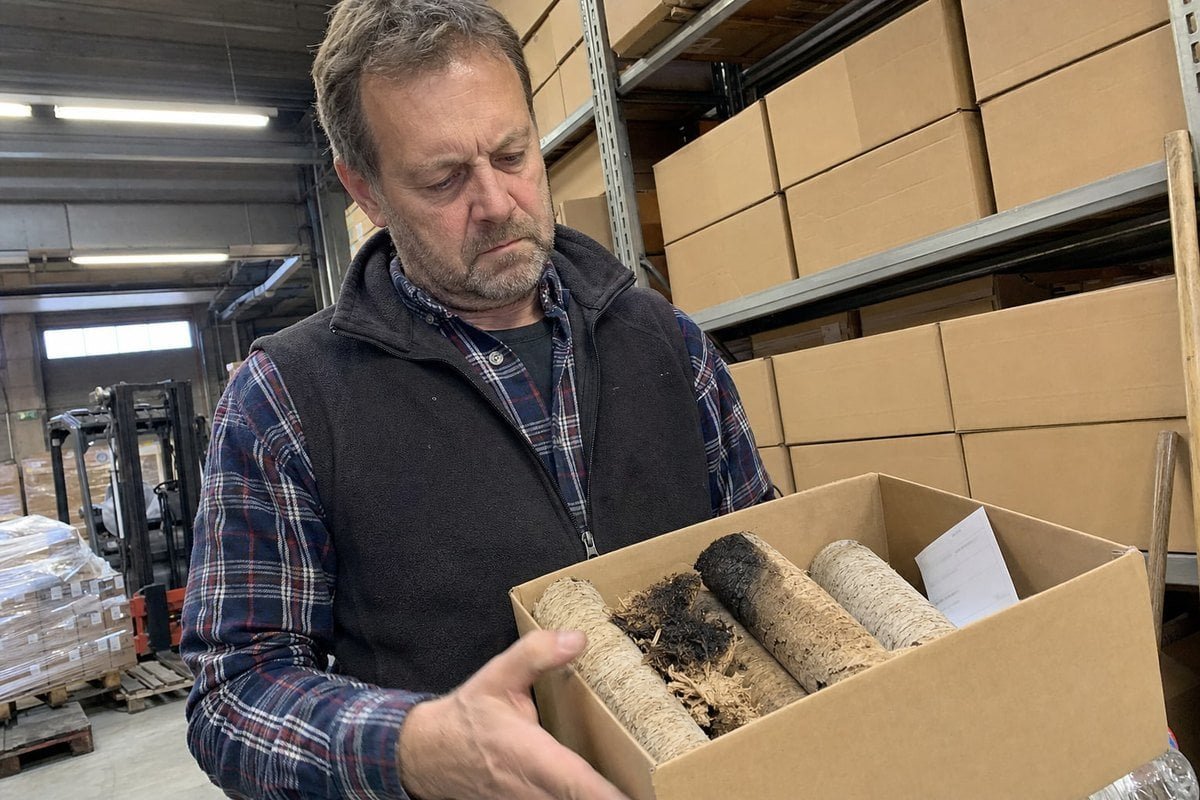
هذه هي الفئة التي تلتقي فيها الكيمياء بغضب العملاء. مشعل النار الخشبي هو منتج حساس للرطوبة يتظاهر بأنه منتج بسيط. الصوف الخشبي استرطابي. يسحب الماء من الهواء أثناء التخزين والشحن وعلى رف البيع بالتجزئة. بمجرد أن يتجاوز نسبة محتوى الرطوبة الحد الآمن، تنخفض موثوقية الاشتعال، وترتفع مستويات انبعاث الدخان، وينهار معدل نجاح الإشعال الأول.
توازن نسبة الشمع
طلاء الشمع هو الدفاع، ولكن يجب أن تكون النسبة صحيحة. في لفائف الخشب المغموسة بالشمع، نستهدف نافذة تشبع تترك ما يكفي من الألياف المكشوفة للاشتعال الخالي من المواد الكيميائية بولاعة واحدة، مع إغلاق القلب ضد الرطوبة. إذا أخطأت في أي من الاتجاهين، فإنك تخلق سببًا للإرجاع:
- الكثير من الشمع: تصبح السطح قشرة صلبة. لا يمكن للولاعة القياسية أو ولاعة منخفضة الطاقة توليد حرارة كافية لإشعالها. يبلغ العملاء عن "استحالة الإشعال"."
- قليل جدًا من الشمع: تبقى الألياف مكشوفة. يمتص المشعل الرطوبة، ويحترق بسرعة ودخانًا، ويتفتت في الصندوق.
- غمس غير متساوٍ: تعمل بعض الوحدات في العبوة بينما تفشل وحدات أخرى، مما يُقرأ كجودة رديئة حتى لو كانت المواصفات المتوسطة جيدة.
تضيف ادعاءات التركيب طبقة أخرى. إذا كان الإدراج يعد براتنج خشب دهني طبيعي أو مشعلات عديمة الرائحة، ولكن المنتج يستخدم خلطات غنية بالبارافين برائحة كيميائية، فإن عمليات الإرجاع "غير كما هو موصوف" تتبع ذلك. يقرأ المشترون بشكل متزايد سطور التركيب - مثل "50٪ ألياف خشبية، 50٪ بارافين" المطبوعة على صناديق البيع بالتجزئة - ويحاسبون البائعين عليها. المواد الرابطة البترولية الرخيصة التي تطلق أبخرة غير سارة هي سبب رئيسي لشكاوى الرائحة، خاصة للاستخدام الداخلي في الموقد.
لماذا تؤدي عدم مطابقة التغليف أو الملصقات إلى إرجاع الشحنات؟
رفض أحد المشترين في المملكة المتحدة مرة شحنة تجريبية كاملة من مورد سابق - ليس لأن المنتج فشل، ولكن لأن ملصق التحذير لم يتطابق مع متطلبات السوق المقصود. تلك المحادثة هي سبب قيامنا بمراجعة الملصقات في كل طلب OEM.
تسبب مطابقة التغليف عمليات إرجاع عندما يعد الصندوق بما لا يستطيع المنتج تقديمه: عدد قطع خاطئ، تحذيرات سلامة مفقودة، ادعاءات غير مدعومة مثل "عديم الرائحة" أو "آمن للاستخدام الداخلي"، إفصاح عن التركيب غائب، أو تغليف يسمح بمرور الرطوبة يسمح بتدهور المنتج قبل الاستخدام الأول.
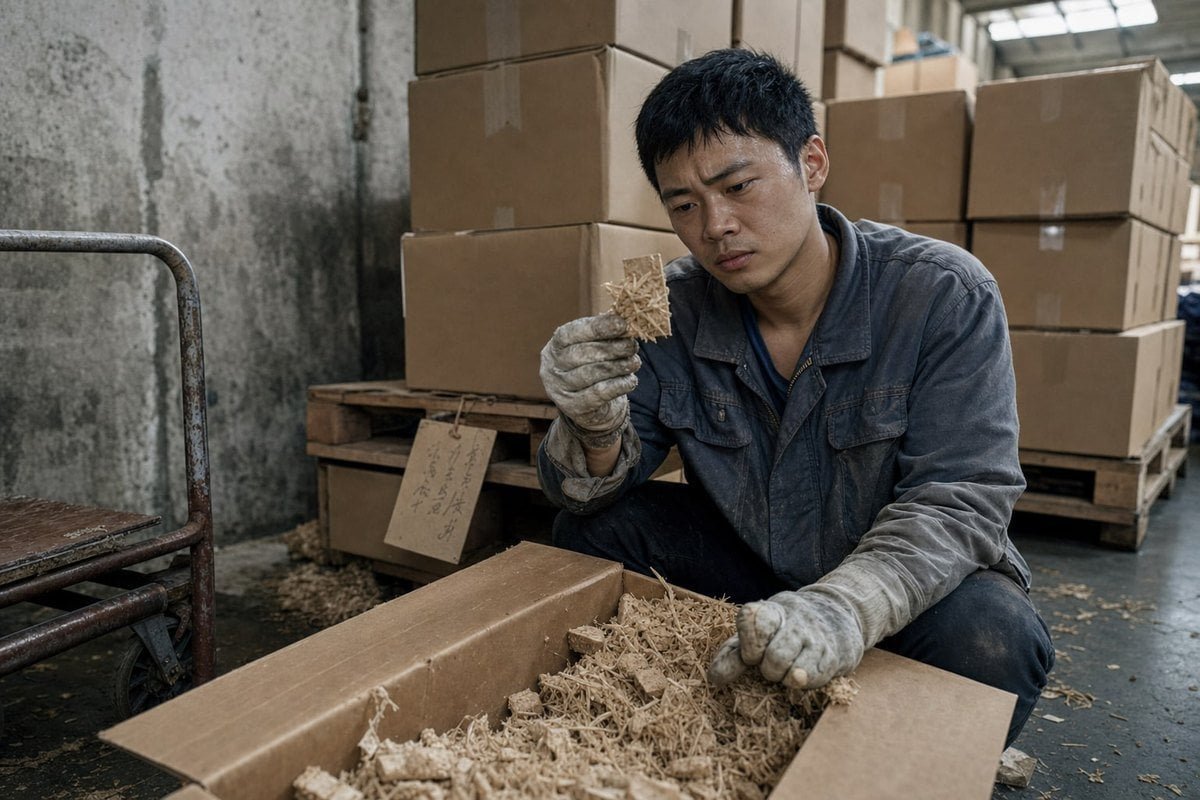
التغليف هو مواصفات، على الرغم من أن العديد من الموردين يعاملونه كزينة. كل ادعاء مطبوع على الصندوق يصبح عقدًا مع العميل النهائي. عندما ينكسر العقد، يعود المنتج - أحيانًا كإرجاع بيع بالتجزئة واحد، وأحيانًا كمنصة نقالة مرفوضة.
حيث يختلف الملصق عن الواقع
إفصاح التركيب هو الفجوة الأكثر شيوعًا. إذا كانت القائمة تذكر ألياف الخشب والبارافين ولكن المنتج يتضمن مواد رابطة أخرى، فإن هذا الاختلاف يمكن أن ينتهك قواعد حماية المستهلك 6 بشأن السلع التي تكون "كما هو موصوف". يجب دعم الادعاءات مثل الخشب المعتمد من FSC، أو "طبيعي"، أو "غير سام" بالوثائق. يطلب المشترون لدينا في ألمانيا وفرنسا بانتظام تقارير اختبار قبل أن يضعوا ادعاءات على عبوات العلامات الخاصة، وبحق.
ملصقات السلامة مهمة بنفس القدر. ينتج عن الاحتراق دخان وسخام وأول أكسيد الكربون. إذا فشل التغليف في ذكر قيود الاستخدام الداخلي 7 أو ملاءمة الشواء، يمكن للمشترين القول بأن المنتج غير مناسب لغرضهم المعلن. هذا إرجاع على مستوى الضمان، وهو أصعب في الجدل من إرجاع التفضيل.
ثم هناك التغليف نفسه كحاجز مادي. تمتص مشعلات النار المخزنة في صناديق غير محكمة الإغلاق رطوبة المستودع. يفتح العميل منتجًا "جديدًا" فقد بالفعل أداء الاشتعال الخاص به. مواصفات التغليف الحاجز للرطوبة تمنع هذا تمامًا.
| عنصر الملصق | ما يجب أن يتطابق | نوع الإرجاع إذا كان خاطئًا |
|---|---|---|
| شارة عدد القطع | الوحدات الفعلية بالداخل | إرجاع عدد قصير |
| سطر التركيب | التركيبة الحقيقية | "مطالبة "غير كما هو موصوف" |
| مطالبات الاستخدام | أداء موثق (توافق الموقد، الشواء، في الهواء الطلق) | إرجاع للياقة الغرض |
| تحذيرات السلامة | قواعد السوق المقصود | رفض بائع التجزئة، خطر الاستدعاء |
| تغليف حاجز | حماية رطوبة التخزين | إرجاع تالف عند الوصول |
في عملية OEM الشاملة لدينا، نقوم بمراجعة ملصقات التحذير والرموز الشريطية ونص التركيب مقابل السوق المستهدف قبل الطباعة. عشر دقائق من مراجعة الملصقات توفر أشهرًا من التعامل مع النزاعات.
خاتمة
فشل المواصفات - وقت الاحتراق، الحجم، الرطوبة، نسبة الشمع، ووضع العلامات - يؤدي إلى معظم عمليات الإرجاع. قم بإصلاح المواصفات في المصنع، وتتوقف عمليات الإرجاع قبل أن تبدأ.
ملاحظات ختامية
نظرة عامة من ويكيبيديا على تقنيات ومواد إشعال النار. ↩︎
المعايير الرسمية لوضع علامات FSC وشهادات الأخشاب. ↩︎
التعريف الفني والاستخدامات الشائعة لألياف الصوف الخشبي. ↩︎
مبادئ هندسية لشد اللف في عمليات التصنيع. ↩︎
مبادئ هندسية تتعلق بتفاوتات الوزن والقياس في التصنيع. ↩︎
إرشادات لجنة التجارة الفيدرالية (FTC) بشأن حماية المستهلك وأوصاف المنتجات. ↩︎
مصدر موثوق من وكالة حماية البيئة (EPA) يشرح مخاطر أول أكسيد الكربون وإرشادات السلامة التي تحدد قيود الاستخدام الداخلي لمنتجات الاحتراق. ↩︎

 English
  Spanish
  German
  French
  Arabic
  Portuguese
انضم إلى المحادثة