







مواد تدريب المبيعات لبادئات الحرائق الخشبية غالبًا ما يتم تجاهلها لأن المنتج يبدو بسيطًا جدًا. في خط الإنتاج الخاص بنا، نرى تكلفة هذا الخطأ كل موسم: يبلغ الموزعون عن ضعف معدلات الإرفاق 1, ، وموظفين في الطابق مرتبكين، وعملاء يغادرون وهم يحملون موقدًا ولكن لا توجد طريقة لإشعاله بسهولة. يمكن أن يؤدي هذا الحريق المحبط الأول إلى إفساد عملية شراء كاملة. الحل هو تدريب مركّز قائم على السيناريو يحول ملحقًا صغيرًا إلى عملية بيع إضافية موثوقة.
لتحضير مواد تدريب المبيعات لبادئات إشعال النار الخشبية، قم ببناء ورقة غش للمنتج من صفحة واحدة، وملخص للشهادات، ونص توضيحي، وجدول مقارنة للمنافسين، وقسم للأسئلة الشائعة حول السلامة. قم ببناء كل شيء حول سيناريوهات العملاء الحقيقية، وعلم حقائق وقت الاحتراق والاستخدام التي يمكن للموظفين التحقق منها، وأضف تدريبات لعب الأدوار للاعتراضات.
أدناه، أقوم بتقسيم هذا إلى أربعة أجزاء عملية. كل جزء يتوافق مع سؤال سيواجهه موظفو متجرك في الطابق. يمكنك استخلاص هذه الأطر مباشرة في مجلد التدريب الخاص بك.
كيف يمكنني التأكد من شرح شهادات بادئ الحريق الخاصة بنا بوضوح لموظفي المبيعات بالتجزئة؟
أخبرني أحد المشترين من ألمانيا ذات مرة أن موظفيه في الطابق لم يتمكنوا من الإجابة على سؤال واحد حول تقارير الاختبار. تقوم مصنعنا الآن بشحن ورقة شهادة بلغة واضحة مع كل طلب خاص بالعلامة التجارية، لأن الأوراق التي لا يفهمها أحد لا تبيع شيئًا.
اشرح الشهادات بترجمة كل منها إلى فائدة للعميل على بطاقة مرجعية واحدة. اذكر ما هي الشهادة، ومن أصدرها، وماذا تضمن في جملة واحدة لكل منها. قم بتدريب الموظفين على قول ما يعنيه ذلك للسلامة والجودة، وليس على ترديد الرموز الفنية.
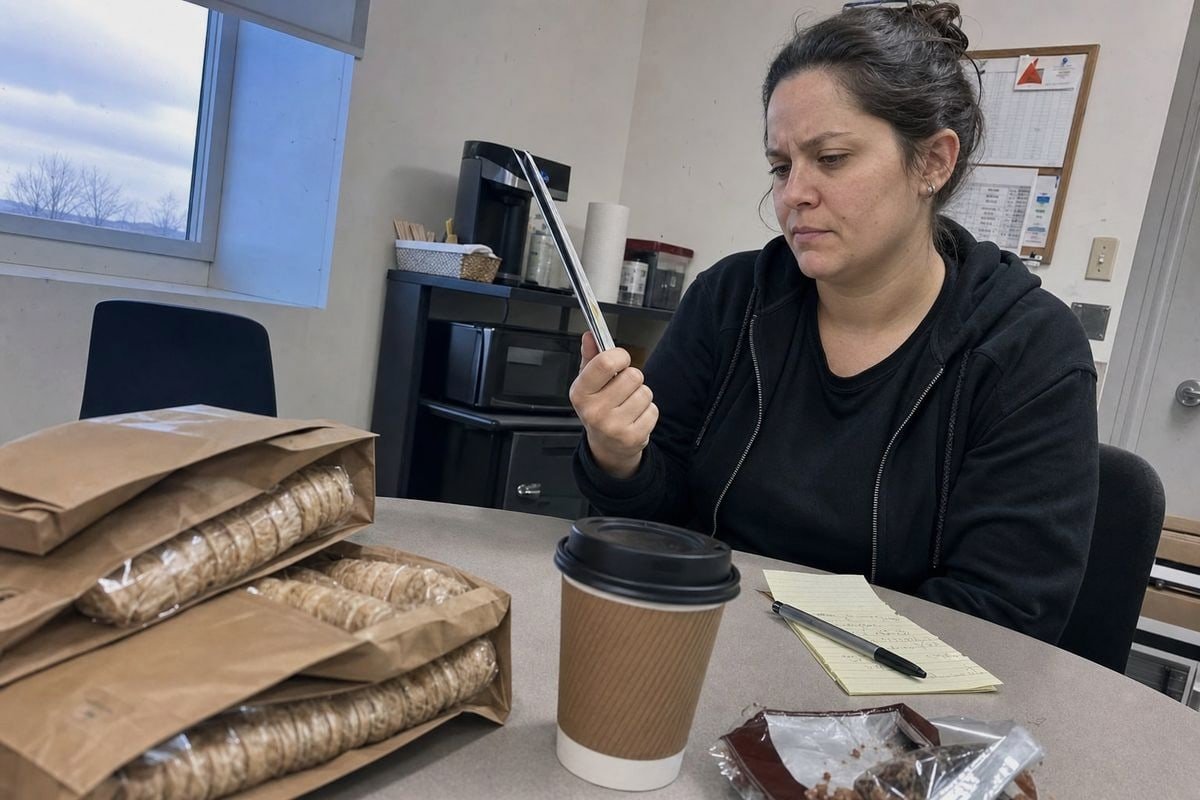
لا يحتاج موظفو التجزئة إلى قراءة تقرير اختبار SGS الخاص بنا 2. إنهم بحاجة إلى نص قصير وصادق. في خبرتنا التي تزيد عن 17 عامًا في تصدير سلع إشعال الحرائق إلى الولايات المتحدة وأوروبا، تعلمنا أن الشهادات تساعد المبيعات فقط عندما يقوم شخص ما بتحويلها إلى لغة إنجليزية بسيطة. لذلك يجب أن تقوم مادة التدريب الخاصة بك بهذا التحويل مرة واحدة، بوضوح، وتسمح للموظفين بتكراره.
إنشاء بطاقة ترجمة الشهادة
خذ كل شهادة يقدمها المورد الخاص بك واكتب ثلاثة أسطر لكل منها: ما هي، ومن يتحقق منها، ولماذا يجب أن يهتم العميل. إليك تنسيق نوصي به لشركائنا الموزعين:
| شهادة | ماذا تتحقق | ماذا يجب أن يقول الموظفون |
|---|---|---|
| ISO 9001 | إدارة جودة المصنع المتسقة | "يتم تصنيع كل دفعة تحت نفس العملية الخاضعة للرقابة." |
| علامة CE | الامتثال لتوجيهات السلامة الأوروبية | "هذا المنتج يلبي متطلبات السلامة في الاتحاد الأوروبي للبيع هنا." |
| تقارير SGS / Intertek | اختبار معمل مستقل من طرف ثالث | "اختبر مختبر خارجي هذا - إنه ليس مجرد ادعاء العلامة التجارية." |
| تدقيق BSCI | ظروف عمل أخلاقية ومدققة | "تم تصنيعه في مصنع تم تدقيقه بمسؤولية." |
وضع حدود لما يجوز للموظفين ادعاؤه
وبنفس القدر من الأهمية هو ما لا يجب على الموظفين قوله. دربهم على عدم اختلاق ادعاءات مثل "معتمد غير سام" أو "آمن لمدخنة مضمون" ما لم تدعم الوثائق ذلك. الإفراط في الادعاء يؤدي إلى مرتجعات ومسؤولية. نحن نوفر بادئات حريق صديقة للبيئة 3 مصنوعة بدون مواد كيميائية ضارة، وحتى في هذه الحالة، نقوم بتدريب الشركاء على صياغة الادعاءات تمامًا كما تنص الملصقات. احتفظ بعمود "قل / لا تقل" على البطاقة، وراجعه أثناء الإعداد، وقم بتحديثه كلما تغيرت التعبئة والتغليف أو وثائق المورد.
ما هي نقاط عرض المنتج التي يجب أن أدرجها حتى يتمكن موظفو المتجر من بيعها بثقة للعملاء؟
هناك مفاضلة نزنها باستمرار عند تصميم لفائف الخشب المغمسة بالشمع: سرعة الاشتعال مقابل مدة الاحتراق. الموظفون في المتجر الذين يفهمون هذه المفاضلة بشكل مباشر يعرضون المنتج بشكل أفضل بكثير من الموظفين الذين يقرأون فقط ورقة مواصفات.
تضمين خمس نقاط توضيحية: إشعال عود ثقاب واحد، نمو اللهب المرئي في غضون ثلاثين ثانية، احتراق بدون استخدام اليدين لمدة ثماني إلى عشر دقائق، عدم الحاجة إلى سائل إشعال أو ورق، ووضع نظيف تحت الأخشاب. دع الموظفين يشعلون واحدة بأنفسهم حتى تأتي توصيتهم من تجربة حقيقية.
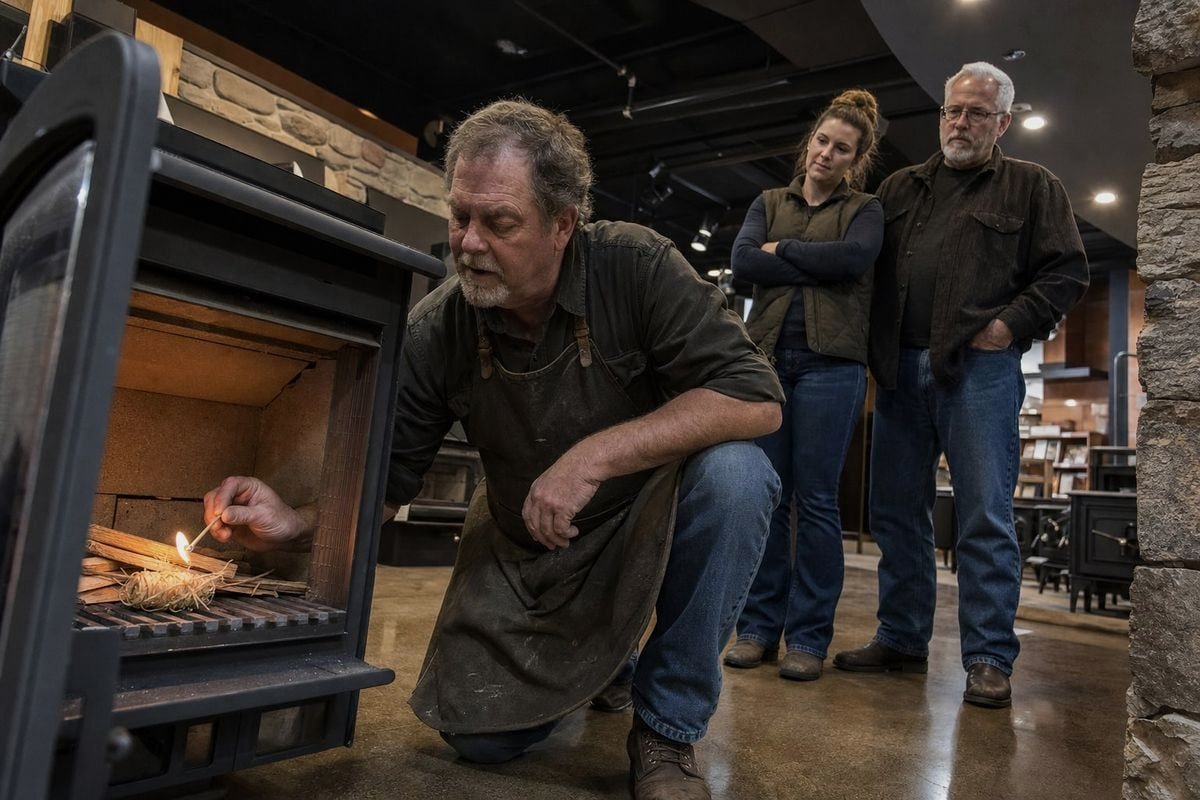
تأتي الثقة من التجربة، وليس الحفظ. أكثر شيء فعالية يمكن لمدير المتجر القيام به هو عقد جلسة "عرض توضيحي مباشر" حيث يقوم كل موظف ببناء وإشعال نار باستخدام المنتج. عندما نستضيف زيارات الموزعين في منشأتنا في نينغبو، ننهي دائمًا بحرق مباشر. رد الفعل هو نفسه في كل مرة: بمجرد أن يرى شخص ما لفة من الصوف الخشبي تشتعل من عود ثقاب واحد وتحافظ على لهب ثابت، يمكنه بيعها بدون نص.
هيكلة العرض التوضيحي حول مشكلة العميل
يجب أن تجيب العروض التوضيحية للمنتج على الإحباط الذي يعاني منه العميل بالفعل. اربط كل نقطة عرض توضيحي بمشكلة شائعة:
- خشب رطب أو مجفف ولكن بارد. أظهر كيف تتغلب اللهب المستمر للمشعل على محتوى الرطوبة الأعلى في الحطب 4 الذي لا تستطيع الصحف القيام به.
- لا يوجد وقود إشعال في متناول اليد. وضح وضعها مباشرة تحت الأخشاب المقسمة، وتخطي شكل خيمة وقود الإشعال المعقد.
- بدايات دخانية وبطيئة. اشرح كيف يحسن البدء السريع والساخن السحب ويدعم تقليل الكريوزوت 5 بمرور الوقت، وهو أمر مهم لسلامة المدخنة.
- الاستخدام الخارجي. حوّل نفس العرض التوضيحي إلى مواقد، وشوايات، والتخييم في غير موسمها.
استخدم الشاشة كعارض صامت
تقوم شاشات نقطة البيع بالقرب من المواقد وملحقات الموقد بنصف عمل العرض التوضيحي. درب الموظفين على اصطحاب العملاء إلى الشاشة، وتسليمهم مشعلًا، والسماح لهم بلمس طلاء الشمع وملمس الصوف الخشبي الليفي. اللمس يبني الثقة. رمز الاستجابة السريعة على الرف الذي يربط بفيديو إشعال مدته ثلاثون ثانية يوسع العرض التوضيحي إلى ما بعد زيارة المتجر ويوفر للموظفين أداة تعلم مصغرة في نفس الوقت.
كيف أقوم بتدريب مندوبي المبيعات على شرح وقت الاحتراق واختلافات الأداء بين مشعلات الخشب الخاصة بنا وتلك الخاصة بالمنافسين؟
وقت الاحتراق هو المواصفات التي نقوم بمعايرتها بعناية فائقة أثناء مراقبة جودة الدُفعات 6 - تغيير نسبة الشمع إلى الخشب بنسبة بضعة بالمائة يغير النتيجة بشكل ملحوظ. هذه الدقة لا تؤتي ثمارها إلا إذا تمكن موظفو الطابق من شرحها ببساطة.
درب الموظفين باستخدام جدول مقارنة جنبًا إلى جنب يغطي وقت الاحتراق وطريقة الإشعال والبقايا والتكلفة لكل حريق. علمهم تأطير كفاءة وقت الاحتراق على أنها "دقائق من اللهب الموثوق به لكل حريق تم إشعاله"، ثم قارن بالصحف، والخشب الدهني، ومكعبات البارافين بصدق.

يفقد الموظفون المصداقية بسرعة عندما ينتقدون المنافسين. لذا علم المقارنة، وليس النقد. الهدف هو مساعدة العميل على اختيار الأداة المناسبة، وعادة ما يفوز منتجك بمزيج من الاتساق والنظافة والقيمة - وليس بمواصفات فردية.
امنح الموظفين جدول مقارنة يمكنهم الاستشهاد به عن ظهر قلب
| لفائف الصوف الخشبي المغطاة بالشمع | وقت الاحتراق النموذجي | الاشتعال | نقطة ضعف رئيسية | أفضل ملاءمة |
|---|---|---|---|---|
| لفائف خشبية مغموسة بالشمع | 8-10 دقائق | عود ثقاب واحد | سعر وحدة أعلى قليلاً من الورق | المدافئ والمواقد وحفر النار |
| إشعال الخشب الدهني | 3-5 دقائق لكل عصا | عود ثقاب واحد | دخان الراتنج؛ جودة متغيرة | المشترون الريفيون الذين يبحثون عن الروائح |
| مكعبات شمع البارافين | 5-8 دقائق | عود ثقاب واحد | رائحة البترول؛ يذوب في الحرارة | الشوايات والاستخدامات المتعددة |
| صحيفة / ورق مقوى | أقل من دقيقتين | محاولات متعددة | رماد ودخان وغير متناسق | ارتجال للطوارئ |
| مسرعات سائلة | ثوانٍ من الوميض | توهج خطير | مشاكل خطيرة تتعلق بالسلامة والرائحة | لا ينصح به في الداخل |
علم إعادة صياغة "التكلفة لكل حريق ناجح"
إن تقنية البيع الإضافي الأكثر فائدة هنا هي الحساب. صندوق من 100 بادئ بسعر بادئ واحد أو اثنين لكل حريق يكلف سنتات لكل إشعال. الصحيفة "مجانية" ولكنها غالبًا ما تكلف ثلاث محاولات فاشلة وغرفة مليئة بالدخان ومساء محبط. درب الموظفين على القول: "فكر في الأمر كسعر للإشعال الأول المضمون." من خبرتنا التصديرية عبر أكثر من 30 دولة، فإن إعادة الصياغة هذه وحدها تفعل المزيد لمعدلات الارتباط من أي شرح فني. ثم اجعل المساعدين يلعبون الأدوار للاعتراضات الكلاسيكية - "أنا فقط أستخدم الصحف" و "هذا مكلف للغاية" - حتى يصبح الرد الهادئ والواقعي تلقائيًا.
ما هي معلومات السلامة والاستخدام التي يجب علي تقديمها حتى يتمكن الموظفون من الإجابة على أسئلة العملاء بدقة؟
ملصقات التحذير هي شيء نقوم بتخصيصه لكل سوق تصدير، لأن متطلبات الولايات المتحدة والاتحاد الأوروبي تختلف. علمني تلك العملية درسًا: معلومات السلامة لا تحمي الناس إلا عندما تصل إلى أرضية المبيعات في شكل قابل للاستخدام.
قدم صفحة واحدة من الأسئلة الشائعة حول السلامة تغطي الملاءمة الداخلية، والكمية لكل حريق، والتخزين الآمن بعيدًا عن الحرارة، والحفاظ على منطقة الاحتراق خالية، وعدم الجمع أبدًا بين البادئات والمواد السائلة المتسارعة. قم بتدريب الموظفين على الرجوع دائمًا إلى تعليمات الشركة المصنعة المطبوعة عند عدم التأكد.

أسئلة السلامة هي في الواقع إشارات شراء. عندما يسأل العميل "هل هذا آمن لموقد الخشب الخاص بي؟"، فهم على بعد إجابة جيدة واحدة من الشراء. لذا قم ببناء تدريب السلامة الخاص بك كإجابات للأسئلة التي يطرحها العملاء بالضبط، وليس كقائمة تحذيرات قانونية.
الأسئلة الخمسة التي يجب على الموظفين الإجابة عليها بشكل صحيح
| سؤال العميل | إجابة الموظف الدقيقة |
|---|---|
| "هل هذا آمن في الداخل؟" | "نعم - إنه مصنوع من ألياف الخشب والشمع، ومصمم للمدافئ والمواقد. اتبع دائمًا الملصق." |
| "كم عدد المرات التي أحتاجها؟" | "عادةً مرة واحدة لكل حريق، مرتين إذا كان خشبك كبيرًا أو محتوى الرطوبة 7 مرتفع." |
| "كيف يجب أن أخزنها؟" | "في مكان بارد وجاف بعيدًا عن الموقد وبعيدًا عن متناول الأطفال." |
| "هل يمكنني استخدامه مع سائل إشعال؟" | "لا - لا تجمع أبدًا بين البادئات والمسرعات السائلة. البادئ يحل محلها بالكامل." |
| "هل يؤثر على جودة الهواء؟" | "إنه يحترق بشكل أنظف من الصحف أو المسرعات، مع دخان أقل أثناء البدء." |
أضف قائمة تدقيق بسيطة للسلامة قبل البيع
امنح الموظفين قائمة تدقيق من ثلاث خطوات لذكرها عند الخروج: فحص البادئ بحثًا عن التلف، وتنظيف منطقة صندوق النار قبل الإشعال، واتباع التعليمات المطبوعة على الصندوق. يستغرق هذا عشر ثوانٍ ويضع متجرك كخبير. في عملنا المتعلق بالامتثال لتجار التجزئة الأوروبيين وأمريكا الشمالية، فإن المتاجر التي تتحدث عن السلامة بشكل استباقي ترى عددًا أقل من المرتجعات وسوء الفهم. أخيرًا، درب الموظفين على الملاءمة الصادقة: إذا كان لدى العميل موقد غاز، فإن الإجابة الصحيحة هي "لا تحتاج إلى هذا"، وهذا الصدق يكسب البيع التالي.
خاتمة
التدريب الرائع يحول سلعة صغيرة إلى إيرادات ثابتة. اشرح الشهادات ببساطة، واعرض بشكل مباشر، وقارن بصدق، وأجب عن أسئلة السلامة بدقة - ثم عزز ذلك بالممارسة والتحديثات.
ملاحظات ختامية
يحدد المقياس التجاري المستخدم لقياس نجاح بيع الملحقات جنبًا إلى جنب مع المنتجات الأساسية. ↩︎
يرتبط بسلطة الاختبار المستقلة التي يشير إليها العملاء والموظفون للتحقق. ↩︎
تحدد وكالة حماية البيئة (EPA) "اختيار آمن" معايير المنتجات المصنوعة بدون مواد كيميائية ضارة. ↩︎
تشرح وكالة حماية البيئة (EPA) "حرق بحكمة" رطوبة الخشب وتأثيرها على الاحتراق النظيف والفعال. ↩︎
تقدم معهد سلامة المداخن الأمريكي (CSIA) إرشادات موثوقة حول رواسب الكربون وصيانة المداخن. ↩︎
يوفر تعريفًا تقنيًا لعمليات مراقبة الجودة المستخدمة أثناء إنتاج بادئات إشعال النار. ↩︎
مصدر رسمي لوكالة حماية البيئة (EPA) يشرح أهمية مستويات رطوبة الخشب للاحتراق الفعال. ↩︎
 English
  Spanish
  German
  French
  Arabic
  Portuguese
انضم إلى المحادثة