







قيود استخدام المخيمات على بادئات الحريق الكيميائية يمكن أن تدمر خط إنتاج بين عشية وضحاها. تعلمت هذا في وقت مبكر من تاريخ تصدير مصنعنا، عندما توقفت شحنة مشترٍ بسبب كلمة واحدة: "مُسرّع"."
تقيد المخيمات استخدام مواد إشعال النار الكيميائية عن طريق حظر المواد السائلة المسرعة مثل البنزين وسوائل الولاعات، وتقصر الاستخدام على حلقات النار المخصصة والمواقع المطورة، وتحظر الإضافات خلال حظر النار في المرحلتين الأولى والثانية، وتفرض قواعد أكثر صرامة في المناطق البرية بموجب مبادئ "لا تترك أثرًا".
هذه القواعد ليست موحدة. إنها تتغير حسب مدير الأرض، ومستوى خطر الحريق، ونوع المنتج. أدناه، سأوضح ما يحتاج المشترون والعلامات التجارية إلى معرفته قبل الشراء.
ما هي الشهادات التي يجب التحقق منها قبل الحصول على مشعلات نار تلبي لوائح المخيمات؟
أخبرني موزع ألماني ذات مرة أن وسيطه الجمركي رفض شحنة منافس لأن تقرير SGS كان منتهي الصلاحية لمدة عامين. شكلت تلك المحادثة كيف يتعامل مصنعنا مع الوثائق حتى يومنا هذا.
تحقق من شهادة ISO 9001 لإدارة الجودة، وشهادة BSCI للإنتاج الأخلاقي، ووضع علامة CE للوصول إلى السوق الأوروبية، وتقارير اختبار SGS أو Intertek الحالية التي تؤكد خلو المنتج من المواد الكيميائية الضارة. تثبت هذه الشهادات أن منتجات إشعال النار الخاصة بك هي منتجات بادئة معالجة، وليست مواد مسرعة سائلة محظورة.

الشهادات مهمة لأن سلطات المخيمات والمشترين بالتجزئة لا يصنفون بادئات الحريق حسب لغة التسويق. إنهم يصنفونها حسب التركيب والسلوك. بادئ الحريق المصنوع من الشمع والألياف الخشبية يختلف اختباره عن منتج الفازلين. في أكثر من 17 عامًا من التصدير إلى الولايات المتحدة وألمانيا والمملكة المتحدة وأكثر من 30 دولة أخرى، رأينا مشترين يفقدون قوائم البيع بالتجزئة لمجرد أنهم لم يتمكنوا من تقديم تقرير اختبار صالح عندما طلب فريق الامتثال في سلسلة المتاجر ذلك.
حزمة شهادات أساسية
إليك كيف أشرح حزمة الشهادات لمديري المشتريات الجدد في فئة منتجات الحريق:
| شهادة | ما يثبته | لماذا تهتم امتثال المخيمات |
|---|---|---|
| ISO 9001 1 | على مستوى المصنع، كلا الشكلين | الاتساق من دفعة إلى أخرى يعني سلوك احتراق يمكن التنبؤ به |
| BSCI | إنتاج أخلاقي ومدقق | مطلوب من قبل العديد من قنوات التوريد بالتجزئة في الولايات المتحدة والاتحاد الأوروبي |
| سي | مطابقة السلامة الأوروبية | الوصول القانوني إلى الأسواق في جميع أنحاء الاتحاد الأوروبي |
| تقارير SGS / Intertek | لا توجد مواد كيميائية ضارة، تم التحقق من التركيب | يميز البادئات المعالجة عن المُسرّعات المحظورة |
لماذا يعتبر اختبار التركيب هو الحارس الحقيقي
أهم وثيقة هي تقرير المختبر الخارجي. يؤكد أن منتجك لا يحتوي على مذيبات متطايرة وينبعث منه مستويات منخفضة من مركبات عضوية متطايرة 2. هذا هو الخط الفاصل بين منتج يُعامل على أنه مادة إشعال طبيعية آمنة ومنتج يُعامل على أنه مُسرّع بموجب لوائح حظر الحريق. عندما نجري اختبارات SGS على لفائف الخشب المغطاة بالشمع، يصبح التقرير درع المشتري. يجيب على حراس المتنزهات وشركات التأمين وفرق الامتثال بالتجزئة بصفحة واحدة بدلاً من جدال.
تحقق أيضًا من تاريخ التقرير. لا يدرك العديد من المشترين أن تقارير الاختبار تنتهي صلاحيتها. نقوم بتحديث تقاريرنا على دورة منتظمة حتى لا تسافر أي شحنة بأوراق قديمة.
كيف أختار مواد إشعال متوافقة لن يتم حظرها في المتنزهات الوطنية؟
هناك مفاضلة نزنها في كل مشروع OEM: سرعة الاشتعال مقابل القبول التنظيمي. تدفع الكيمياء الأسرع اشتعالًا تقريبًا دائمًا المنتج أقرب إلى فئة "المُسرّع" التي خدمة المتنزهات الوطنية 3 تحذر القواعد منها.
اختر بادئات إشعال النار المصنوعة من ألياف الخشب الطبيعي، أو صوف الخشب، أو نشارة الخشب المضغوطة المربوطة بشمع البارافين الغذائي. تجنب الوقود السائل، والفازلين، والأكياس ذاتية الإشعال، والمواد المضافة للألعاب النارية، حيث يتم تصنيفها كمعجلات أو ألعاب نارية وهي محظورة في معظم المتنزهات الوطنية.
تقول خدمة المتنزهات الوطنية إنه لا ينبغي أبدًا استخدام البنزين لإشعال نار المخيم، وحتى سائل الإشعال مسموح به فقط حيث يسمح به مخيم معين. تحذيرات سلامة سائل الإشعال تحدث لأن رش الوقود السائل على الجمر يسبب اشتعالًا عنيفًا. تمنع بعض وحدات المتنزهات، مثل منطقة Golden Gate الوطنية الترفيهية، المُسرّعات تمامًا لأسباب تتعلق بجودة الهواء، مشيرة إلى التلوث والسموم. لهذا السبب يعد اختيار المواد هو أساس الامتثال، وليس فكرة لاحقة.
المواد مرتبة حسب قبول المخيم
| نوع المادة | حالة المخيم النموذجية | لماذا |
|---|---|---|
| لفائف خشبية مغطاة بالشمع / لفائف خشبية | مقبول على نطاق واسع | يتصرف مثل بدائل المواد الطبيعية، لا يوجد بقايا سامة |
| أقراص الشمع ونشارة الخشب (خلطات 50/50) | مقبول على نطاق واسع | انبعاثات منخفضة من المركبات العضوية المتطايرة، يحترق بشكل نظيف في حلقات النار المخصصة |
| منتجات الفازلين والقطن | تخضع للتدقيق | يمكن أن يترك دخان البترول بقايا سامة على الشوايات وأدوات الطهي |
| أكياس ذاتية الإضاءة بغشاء بلاستيكي | مقيدة بشكل متزايد | غالبًا ما يفشل البلاستيك في الاحتراق بالكامل، تاركًا بلاستيك دقيق 4 في الرماد |
| مُسرّعات سائلة (بنزين، كيروسين) | محظورة في كل مكان تقريبًا | خطر الاشتعال غير المنضبط وحرائق الغابات |
| قضبان المغنيسيوم، بادئات من نوع الشعلة | محظورة غالبًا على مدار السنة | تصنف غالبًا جنبًا إلى جنب مع الألعاب النارية |
ما تظهره تجربة الإنتاج لدينا
تستخدم بادئات الحريق الخشبية لدينا لفائف خشبية مغطاة بالشمع بدون مواد كيميائية ضارة، وكان اختيار التركيب هذا متعمدًا. تُعامل المنتجات في هذه الفئة كأداة مساعدة للاشتعال بدلاً من مُعزز للهب. أثناء تحذير العلم الأحمر 5 أو حظر حريق من المرحلة الثانية، يتم إيقاف تشغيل كل شيء لهب مفتوح بغض النظر عن المادة. ولكن في الظروف العادية وقيود المرحلة الأولى، تظل بادئات المواد الطبيعية المستخدمة داخل حلقات النار المخصصة هي المنتج الأكثر قابلية للدفاع الذي يمكن للعلامة التجارية بيعه. نقطة عملية أخرى: السخام مهم. سخام قائم على البترول يلطخ أواني الطهي المصنوعة من الحديد الزهر, ، ويلاحظ المخيمون ذلك. منتجات شمع وألياف تحترق بنظافة تجنب تلك الشكوى تمامًا، مما يحمي تقييماتك بقدر ما يحمي ملف الامتثال الخاص بك.
ما هي الوثائق التي أحتاجها من الشركة المصنعة الخاصة بي لإثبات سلامة المنتج لسلطات المخيم؟
في العام الماضي، طلب منا مستورد كندي ملف امتثال كامل قبل شحن أول طلب تجريبي له. قال إن مشغل متنزه إقليمي قد استجوب منتج مورد سابق، وأنه لا يريد أبدًا أن يُقبض عليه بدون أوراق مرة أخرى.
اطلب تقارير اختبار التركيب والسلامة الحالية من SGS أو Intertek، وصحيفة بيانات السلامة، وشهادات ISO 9001 و BSCI، وإعلان عدم وجود مواد كيميائية ضارة أو مواد مسرعة سائلة، ووثائق CE لأسواق الاتحاد الأوروبي. احتفظ بسجلات الدُفعات التي تربط كل شحنة باختباراتها.

الوثائق هي سلسلة إثباتك. عندما يتحدى سلطة مخيم، أو مؤمن، أو مشتري تجزئة منتجًا، فإن العلامة التجارية التي تجيب في غضون 24 ساعة بملف كامل تفوز. العلامة التجارية التي ترسل بريدًا إلكترونيًا إلى مصنعها وتنتظر أسبوعين تخسر القائمة. في تجربتنا في التصدير إلى أسواق مثل الولايات المتحدة وألمانيا وأستراليا، يُطلب الملف غالبًا في ثلاث نقاط: التخليص الجمركي، وإدراج التجزئة، وبعد حادث حريق في مكان ما في السوق يجعل الجميع متوترين.
قم ببناء الملف بهذا الترتيب
- صحيفة بيانات السلامة (SDS). هذه هي الوثيقة الأولى التي يطلبها أي سلطة. تسرد التركيب، وسلوك الوميض، وإرشادات المناولة، وتعالج مباشرة مخاوف سلامة سائل الإشعال من خلال إظهار أن منتجك لا يحتوي على سوائل متطايرة.
- تقارير اختبار من طرف ثالث. تقارير SGS أو Intertek التي تتحقق من التركيب وتؤكد الامتثال لتوقعات معايير جودة الهواء، بما في ذلك المركبات العضوية المتطايرة المنخفضة.
- شهادات المصنع. شهادات ISO 9001 و تدقيق BSCI 6 تثبت أن المنتج يأتي من خط إنتاج خاضع للرقابة ومدقق، وليس ورشة عمل لا يمكن تتبعها.
- إعلان المطابقة. بيان موقع يفيد بأن المنتج لا يحتوي على بنزين أو كيروسين أو إضافات مسرعة. يحب مشغلو المخيمات الخاصة هذا، لأن تأمين المسؤولية الخاص بهم غالبًا ما يكافئ سياسات خالية من المسرعات.
- سجلات تتبع الدُفعات. يجب أن يعود كل كرتون إلى دفعة إنتاج مع بيانات مراقبة الجودة. يحتفظ مصنعنا بمراقبة جودة صارمة من دفعة إلى أخرى، لذا فإن العينة الأولى تعكس بشكل موثوق ما تقدمه الإنتاج الضخم.
درس واحد أمرره لكل مشترٍ جديد: اطلب من موردك هذه المستندات قبل الطلب، وليس بعد أن يطلبها منك مشغل المتنزه. المصنع الحقيقي ينتجها في يوم واحد. شركة تجارية تتعثر.
هل يمكنني تخصيص تغليف مشعل النار لتوصيل قيود الاستخدام بوضوح للمستخدمين النهائيين؟
عندما قمنا بتطوير صندوق بيع بالتجزئة بعلامة تجارية خاصة لعلامة تجارية أمريكية للتخييم، طلب فريقهم القانوني لغة تقييدية على ثلاث لوحات. حولها فريق التصميم لدينا إلى إشارة ثقة على الرف بدلاً من طباعة دقيقة.
نعم. يمكن لمصنعي المعدات الأصلية طباعة قيود الاستخدام مباشرة على العبوات المخصصة، بما في ذلك ملاحظات الامتثال لحظر الحرائق، وتعليمات حلقة النار المخصصة، وقيود البرية، وملصقات التحذير، وبيانات التركيب. يؤدي وضع علامات واضحة على القيود إلى تقليل مسؤولية بائع التجزئة ويساعد المستخدمين النهائيين على اتباع قواعد المخيم.
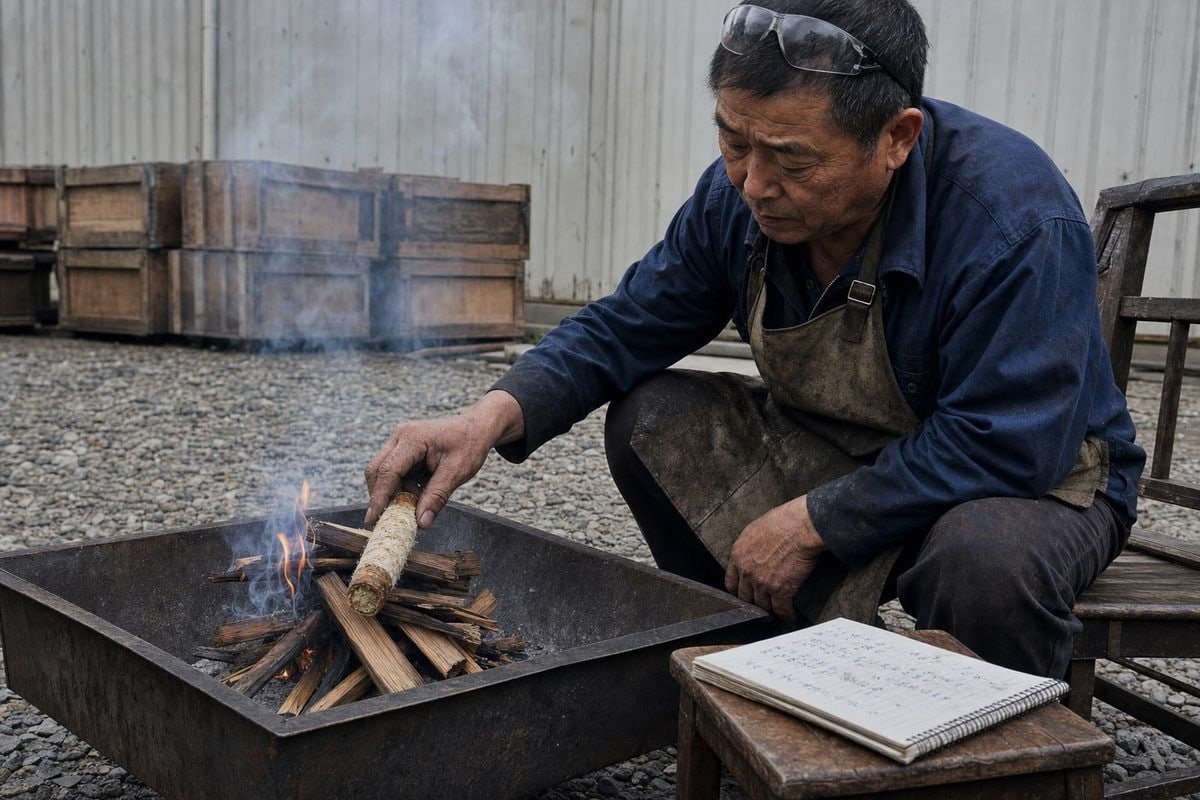
التعبئة والتغليف هو المكان الذي يصبح فيه الامتثال مرئيًا. لا يستطيع المخيم الواقف في ممر متجر قراءة تقرير معمل، ولكنه يستطيع قراءة لوحة تقول "استخدم فقط في حلقات النار المخصصة" أو "تحقق من لوائح حظر الحرائق المحلية قبل الاستخدام". خدمة OEM/ODM الشاملة لدينا تتعامل مع هذا بالضبط: صناديق مخصصة، تغليف عرض، ملصقات تحذير، باركود، وعلامات تجارية خاصة، وكلها معدلة لتناسب لغة وتوقعات السوق القانونية للسوق المقصود. بالنسبة لقرص من البارافين وألياف الخشب، نطبع بيان التركيب مباشرة على الصندوق، لأن سطر "50% ألياف خشب، 50% بارافين" المرئي يجيب على السؤال الأول للحارس قبل طرحه.
عناصر التعبئة والتغليف التي توصل القيود
| عنصر التعبئة | ما الذي توصل إليه | حيث تكون الأكثر أهمية |
|---|---|---|
| بيان التكوين | المنتج ليس مسرعًا سائلًا | البيع بالتجزئة في الولايات المتحدة والاتحاد الأوروبي، وفحص المتنزهات |
| أيقونة تعليمات حلقة النار | استخدم فقط في حلقات النار المخصصة | الغابات الوطنية، المخيمات المطورة |
| خط استشاري لحظر الحرائق | تحقق من قيود المرحلة 1/2 وحالة تحذير العلم الأحمر | غرب الولايات المتحدة، أستراليا، أسواق موسم الجفاف |
| "لا تترك أثرًا" 7 ملاحظة | قم بتعبئة التغليف، واحرقه بالكامل | تجار التجزئة المتاخمة للحياة البرية والمناطق النائية |
| ملصقات تحذير متعددة اللغات | الامتثال القانوني للسلامة | ألمانيا، فرنسا، هولندا، كندا |
| رمز شريطي ورمز دفعة | إمكانية التتبع إلى تقارير الاختبار | قنوات توريد البيع بالتجزئة الكبيرة |
نصائح عملية للتخصيص
اجعل لغة القيود قصيرة ومباشرة. "لا تضف أبدًا إلى اللهب المكشوف" يتفوق على فقرة من اللغة القانونية. استخدم الأيقونات حيث تختلف القدرة على القراءة أو اللغة. ضع في اعتبارك أيضًا مادة التعبئة والتغليف نفسها: الكرافت القابل لإعادة التدوير بالكامل أو الورق المقوى يتوافق مع مبادئ "لا تترك أثرًا" ويتجنب انتقادات البلاستيك الدقيق التي تضرب الآن الأكياس ذاتية الإشعال. على جانب الإنتاج لدينا، تظل الحد الأدنى لكميات الطلب مرنة للتجارب، لذلك يمكن للموزع اختبار رسائل القيود الإقليمية في سوق واحد قبل الالتزام بدفعة طباعة كاملة عبر نطاقهم.
 English
  Spanish
  German
  French
  Arabic
  Portuguese
انضم إلى المحادثة