






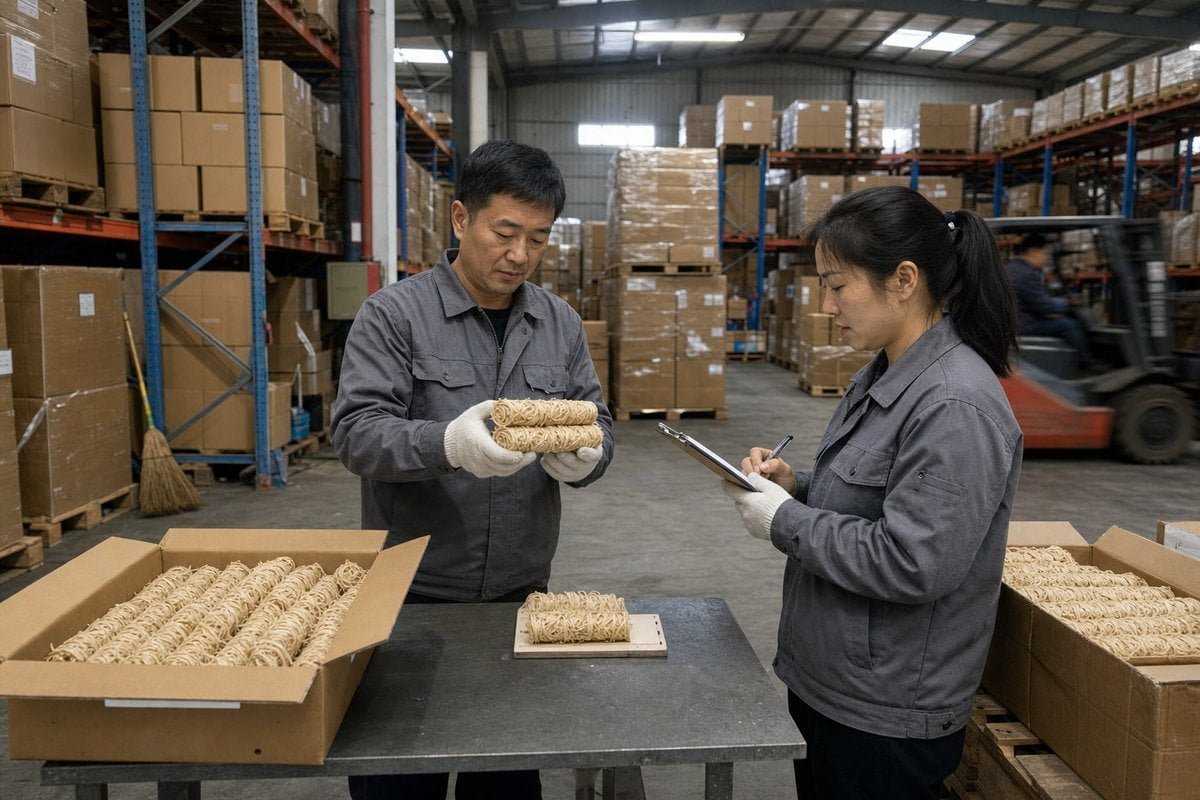
أصبحت الفحوصات العشوائية عبر المستودعات لضمان اتساق دفعات بادئات الحريق الخشبية أولوية بالنسبة لنا بعد أن اكتشف أحد الموزعين مجموعتين "متطابقتين" تحترقان بشكل مختلف. يخفي مخزون المخزون تباين الجودة. الحل هو برنامج فحص عشوائي منظم، سأشرحه هنا.
قم بإعداد فحوصات عشوائية عبر المستودعات عن طريق تحديد معيار دفعة واحد عبر جميع المواقع، وسحب عينات عشوائية من كل مستودع، وفحصها مقابل قائمة تحقق مشتركة تغطي رموز الدُفعات، والوزن، والرطوبة، ووقت الاحتراق، ثم مقارنة النتائج بعينة مرجعية رئيسية وتوثيق كل نتيجة.
هذا هو الجواب المختصر. الآن دعني أقسّمه إلى أربع خطوات عملية يمكنك تطبيقها على عملية المستودعات المتعددة الخاصة بك، بدءًا بما يجب التحقق منه أولاً.
ما الذي يجب أن أتحقق منه أولاً عند مقارنة دفعات بادئات الحريق الخشبية عبر مستودعات مختلفة؟
قبل بضع سنوات، تتبع فريق مراقبة الجودة لدينا في نينغبو شكوى عميل إلى مستودع واحد قام بإعادة تعبئة منصة نقالة تالفة من لفائف خشبية مغموسة بالشمع بهدوء. رمز الدفعة 1أخبرت القصة بأكملها.
ابدأ بفحوصات الهوية: تحقق من رموز الدُفعات، والملصقات، ودقة وحدات حفظ المخزون (SKU)، وسلامة التغليف في كل مستودع قبل اختبار الأداء. إذا كان موقعان يحملان دُفعات مختلطة أو مُلصقة بشكل خاطئ، فلن يمنحك اختبار الاحتراق أي بيانات مقارنة ذات مغزى، لذا فإن إمكانية التتبع تأتي دائمًا أولاً.
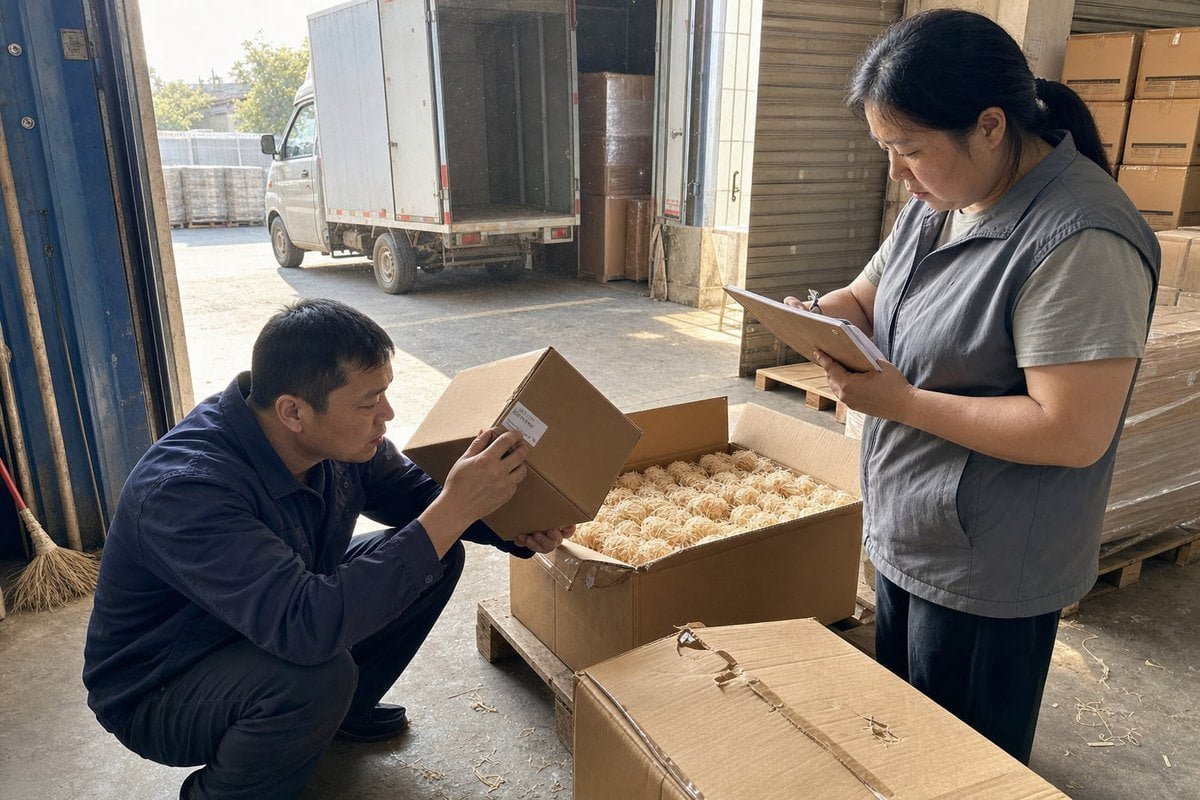
المشكلة الأساسية بسيطة. "نفس المنتج" لا يعني دائمًا "نفس الدفعة" بمجرد تخزين المخزون في مبانٍ مختلفة. أخطاء الاستلام، وإعادة التعبئة، واختلافات التخزين كلها تخلق تباينًا. لذلك يجب أن تؤكد فحوصاتك الأولى أنك تقارن بالفعل أشياء متشابهة.
فحوصات الهوية تأتي قبل فحوصات الأداء
أقسّم كل فحص من المرور الأول إلى طبقتين. تؤكد فحوصات الهوية ما هو المخزون. تؤكد فحوصات الأداء كيف يتصرف. قم بها بهذا الترتيب.
| نوع الفحص | ما يجب التحقق منه | لماذا هو مهم |
|---|---|---|
| رمز الدفعة | رمز دفعة المورد يطابق سجلات الاستلام | يتيح تتبع دفعات المخزون وعمليات الاستدعاء |
| دقة الملصق | رمز SKU، ملصقات التحذير، الباركود تطابق المواصفات | يمنع مشاكل الامتثال في البيع بالتجزئة |
| يؤكد الادعاءات التسويقية وسلامة المستخدم | الأختام سليمة، والكرتون غير تالف | الأختام المكسورة تسمح بدخول الرطوبة |
| العدد والوزن | الوحدات لكل عبوة، وزن العبوة مقابل المواصفات | يشير إلى المخزون المعاد تعبئته أو الناقص التعبئة |
| الحالة البصرية | اللون، تغطية الشمع، لا تفتت | إشارة سريعة لتلف التخزين |
إنشاء تعريف دفعة واحد عبر جميع المواقع
يجب أن يستخدم كل مستودع نفس القواعد. الدفعة هي رمز دفعة مورد واحد بالإضافة إلى معرف استلام واحد. لا تخلط أبدًا بين المنصات من دفعات مختلفة. قم بتمييز أي مخزون تم إعادة تسميته أو إعادة تعبئته أو إعادته أو تلفه كعائلة دفعة منفصلة واحتفظ به منفصلاً. في عمليات التصدير الخاصة بنا، وجدنا أن هذه القاعدة الوحيدة - الفصل الصارم للدفعات - تمنع معظم الارتباك بين المستودعات قبل أن يبدأ. إذا لم يتمكن موقع واحد من إخبارك من أي دفعة جاءت علبة، فاعتبر هذا المخزون مشبوهًا حتى تتمكن من تتبعه.
كيف أبني قائمة تدقيق سريعة تكتشف تباين وقت الاحتراق والجودة؟
عندما قمنا بتطوير خط بادئات الحريق الخشبية لدينا، تعلمنا أن تباين وقت الاحتراق يعود دائمًا تقريبًا إلى متغيرين: تشبع الشمع 2 والرطوبة. يجب أن تستند قائمة الفحص الخاصة بك إلى اكتشاف كليهما.
قم ببناء قائمة التحقق حول معايير قابلة للقياس: وزن الوحدة مقابل المواصفات، تحليل محتوى الرطوبة، توحيد تغطية الشمع، أداء معدل الاشتعال، ومدة الاحتراق المحددة بوقت. خذ عينات عشوائية من مواضع مختلفة في المنصة، وسجل النتائج على نموذج قياسي، وقارن كل مستودع بنفس العينة الرئيسية.
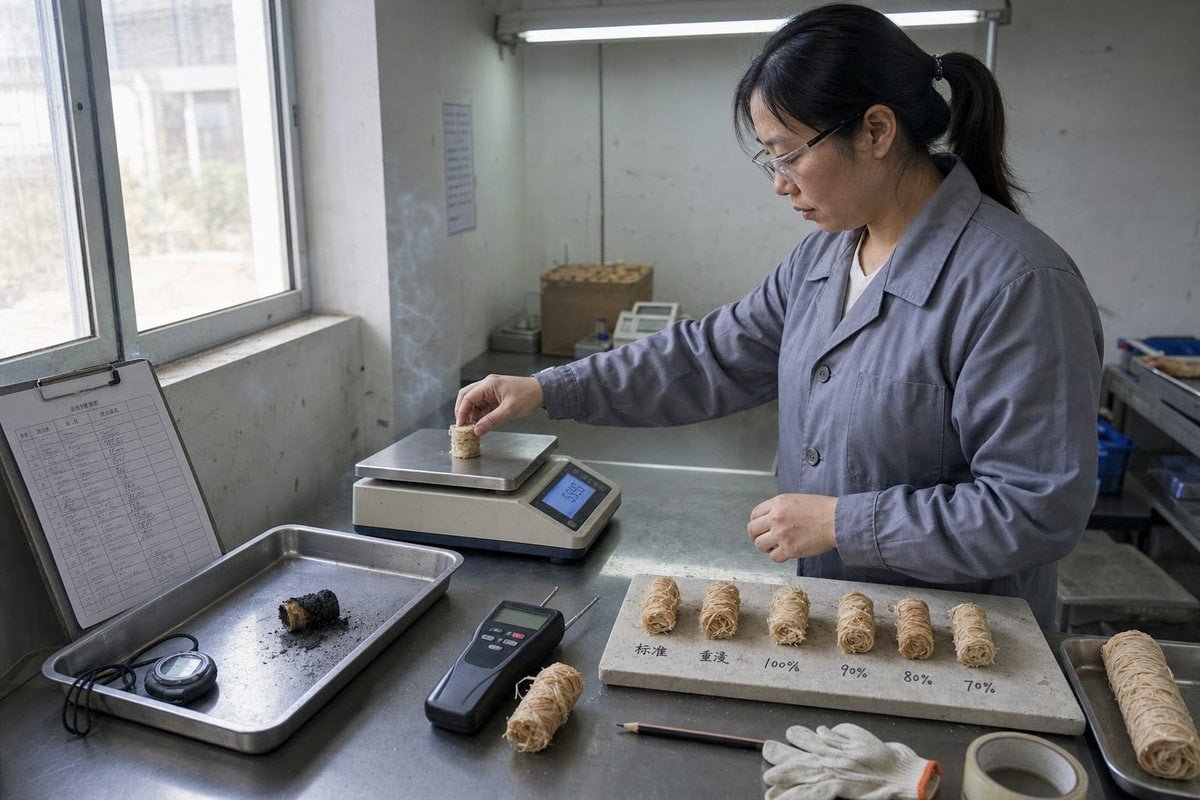
قائمة الفحص تعمل فقط إذا استخدمها كل فريق مستودع بنفس الطريقة. لذا اكتبها كإجراء تشغيل قياسي، ودرب كل موقع عليها، واحتفظ بالنموذج قصيرًا بما يكفي ليقوم الأشخاص بإكماله بالفعل خلال وردية عمل عادية.
عشوائية مكان سحب العينات
معالجة المستودعات تخلق تباينًا خفيًا. تحصل الكراتين الموجودة في مقدمة المنصة على تعرض مختلف عن تلك الموجودة في منتصف الرف. بروتوكولات الفحص العشوائي 3 تصلح هذا. اسحب وحدات من ممرات مختلفة، وارتفاعات رفوف مختلفة، وتواريخ استلام مختلفة. قم بتدوير المستودع الذي يتم فحصه أولاً حتى يظل الجدول الزمني غير متوقع. حتى أن بعض عملائنا الأكبر في مجال التوزيع يقومون بتدوير المدققين بين المواقع، مما يزيل التحيز المحلي تمامًا.
ما الذي يجب أن يكون في قائمة الفحص
| عنصر قائمة الفحص | طريقة | مثال على معايير النجاح |
|---|---|---|
| وزن الوحدة | المقياس، لكل وحدة ولكل عبوة | ضمن التفاوت المحدد في ورقة المواصفات |
| علامات الرطوبة | قراءة بصرية بالإضافة إلى قراءة العداد | لا انتفاخ، تفتت، أو رائحة عفن |
| تغطية الشمع/الراتنج | بصري مقابل العينة الرئيسية | طلاء متساوٍ، لا توجد بقع ألياف عارية |
| اختبار الاشتعال | إشعال وحدة واحدة بمباراة | الالتقاطات ضمن نافذة الإشعال المحددة الخاصة بك |
| اختبار وقت الاحتراق | حرق موقوت للوحدات النموذجية | المدة ضمن النطاق المحدد في المواصفات |
| بقايا ورائحة | الملاحظة بعد الاحتراق | لا يوجد دخان أو بقايا أو رائحة غير عادية |
احتفظ بعينة رئيسية في كل منشأة
احتفظ بوحدة مرجعية معتمدة من دفعة إنتاج مؤهلة في كل موقع. يقارن المفتشون اللون والملمس وتشبع الشمع بها يدويًا وبالعين. هذا أسرع من اختبارات المختبر ويلتقط معظم الانحرافات. في خط الإنتاج الخاص بنا، نحتفظ بعينات من كل دفعة لهذا السبب بالضبط - يجب أن تتطابق العينة الأولى التي يوافق عليها المشتري مع ما يتم شحنه بعد أشهر، وتجعل المراجع المحفوظة هذا الوعد قابلاً للتحقق.
أيضًا، لا تفرط في أخذ العينات. نهج بسيط متدرج يعمل: اختبر حفنة من الوحدات لكل دفعة لكل مستودع، وزد فقط عندما يبدو شيء ما خاطئًا. توجد طرق أخذ عينات إحصائية بالضبط لتجنب الفحص الكامل.
ما هي الشهادات التي يجب علي التحقق منها لتأكيد اتساق الدُفعات من المورد الخاص بي؟
يسألنا المشترون من ألمانيا والولايات المتحدة نفس السؤال في كل اجتماع أول تقريبًا: ليس "ما هو سعرك"، بل "أرني شهاداتك و تقارير اختبار 4." هذا الغريزة صحيحة، وهذا هو السبب.
تحقق من شهادة ISO 9001 لإدارة الجودة الموثقة، و BSCI لممارسات المصنع المدققة، ووضع علامة CE حيثما ينطبق، وتقارير الاختبار من طرف ثالث من مختبرات مثل SGS أو Intertek. تؤكد هذه معًا أن المورد يدير عمليات قابلة للتكرار، وليس مجرد عينة أولى جيدة.
الشهادة لا تختبر منتجك بالاحتراق نيابة عنك. لكنها تخبرك ما إذا كان المصنع الذي يقف وراء المنتج يعمل بالانضباط الذي يجعل اتساق الدفعات الممكن. في أكثر من 17 عامًا من تصدير سلع إشعال النار إلى أكثر من 30 دولة، رأيت نمطًا واضحًا: الموردون الذين يحتفظون بأنظمة جودة حقيقية يشحنون دفعات متسقة، والموردون الذين يتجنبون عمليات التدقيق يشحنون مفاجآت.
ما تخبرك به كل شهادة فعليًا
| شهادة | ما تؤكده | الصلة باتساق الدفعة |
|---|---|---|
| ISO 9001 | نظام إدارة جودة موثق | يتطلب التحكم في العمليات، والتتبع، و الإجراء التصحيحي 5s |
| BSCI | ممارسات المصنع والاجتماعية المدققة | يشير إلى مصنع حقيقي ومستقر، وليس شركة تجارية وهمية |
| سي | المنتج يلبي متطلبات الاتحاد الأوروبي المعمول بها | مطلوب للامتثال الجاهز للعرض في أوروبا |
| تقارير SGS / Intertek | اختبار طرف ثالث مستقل | يتحقق من ادعاءات التركيب والأداء لكل دفعة أو لكل فترة |
اطلب دليل على مستوى الدفعة، وليس مجرد شهادات
الشهادة الموقعة من ISO هي نقطة انطلاق، وليست دليلاً. اطلب من موردك سياسة التشغيل القياسية الداخلية لمراقبة الجودة أثناء العملية،, سياسة الاحتفاظ بالعينات 6, ، وقواعد ترميز الدفعات. اسأل كيف يتعاملون مع فحص خطي فاشل. اسأل عما إذا كانت تقارير الاختبار مرتبطة بدفعات إنتاج محددة. في مصنعنا، نحتفظ بسجلات الدفعات التي تربط مدخلات المواد الخام، ومعلمات غمس الشمع، وفحوصات المنتجات النهائية بكل رمز دفعة - لذلك عندما يسأل المشتري لماذا تتطابق الدفعة أ مع الدفعة ب، يمكننا إظهار الأوراق، وليس مجرد الوعد.
تحقق أيضًا من إعلان التركيب على العبوة. إذا ذكر الصندوق نسبة ألياف الخشب والبارافين، فيجب أن يكون المورد قادرًا على إظهار كيفية التحكم في هذه النسبة أثناء الإنتاج. المدخلات المتسقة هي أساس أداء الاحتراق المتسق.
كم مرة يجب أن أجدول عمليات تفتيش عبر المستودعات لتجنب إعادة الطلب المكلفة؟
أحد المقايضات التي أزنها باستمرار مع شركائنا في التوزيع هو تكلفة الفحص مقابل مخاطر إعادة الطلب. التحقق كثيرًا ما يهدر العمالة. التحقق نادرًا ما يعني أن دفعة سيئة يتم شحنها لأشهر قبل أن يلاحظها أحد - وبحلول ذلك الوقت، فإن تكلفة إعادة الطلب والشحن وتلف العملاء تفوق بكثير ما كانت ستكلفه عمليات التدقيق.
قم بإجراء فحوصات دورية روتينية شهريًا لكل مستودع لضمان استقرار المخزون، وقم بتشغيل فحوصات فورية بعد أي اختلاف أو شكوى أو مشكلة في التحويل، وزد الفحوصات إلى أسبوعية للوحدات الجديدة أو الموردين الجدد أو المستودعات التي تم فتحها حديثًا. اضبط التردد حسب المخاطر، وليس حسب قاعدة تقويم ثابتة.
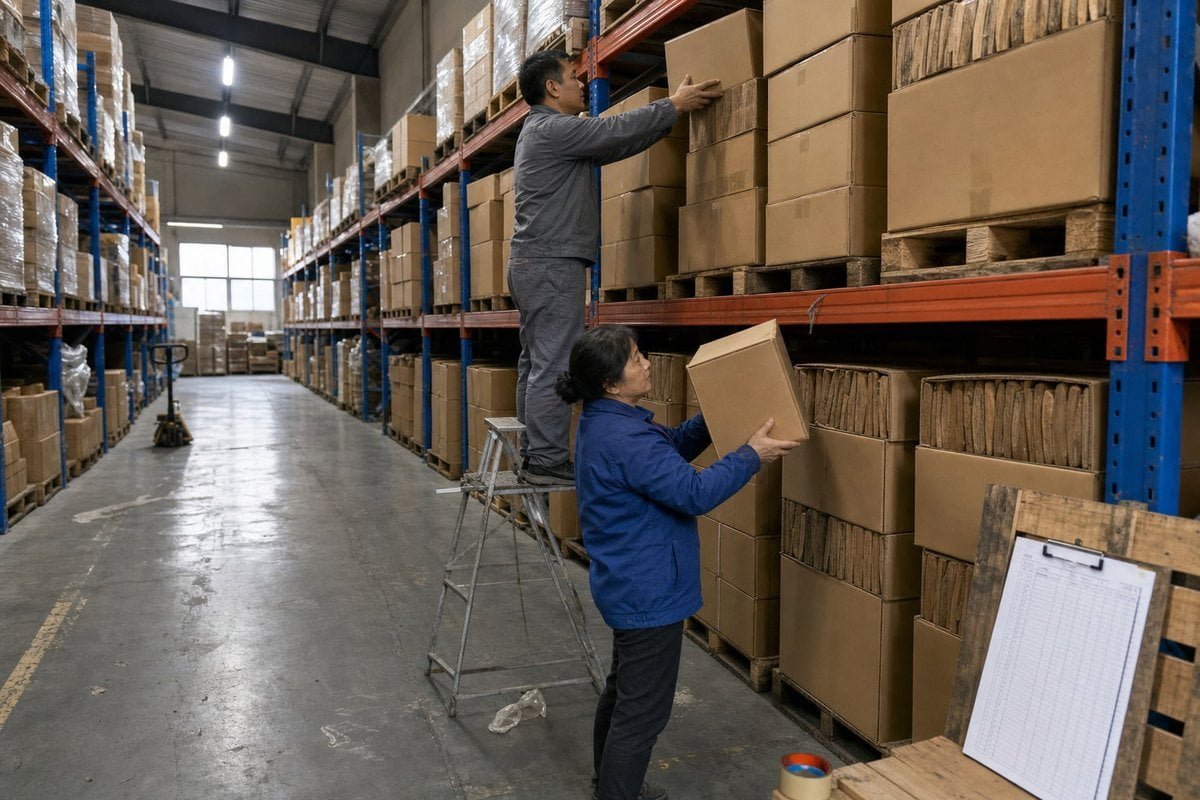
الجداول الزمنية الموحدة تبدو عادلة، لكنها تهدر الجهد. يضع الجدولة القائمة على المخاطر الاهتمام حيث يكون الانحراف هو الأكثر احتمالاً. إليك الهيكل ثلاثي المستويات الذي أوصي به للمشترين الذين يقومون بإعداد عمليات تدقيق جودة متعددة المواقع لأول مرة.
نموذج تكرار المستويات الثلاثة
- مستوى روتيني. مخزون مستقر، مورد مثبت، تخزين متحكم فيه. تحقق شهريًا لكل مستودع بعينة عشوائية صغيرة لكل دفعة نشطة.
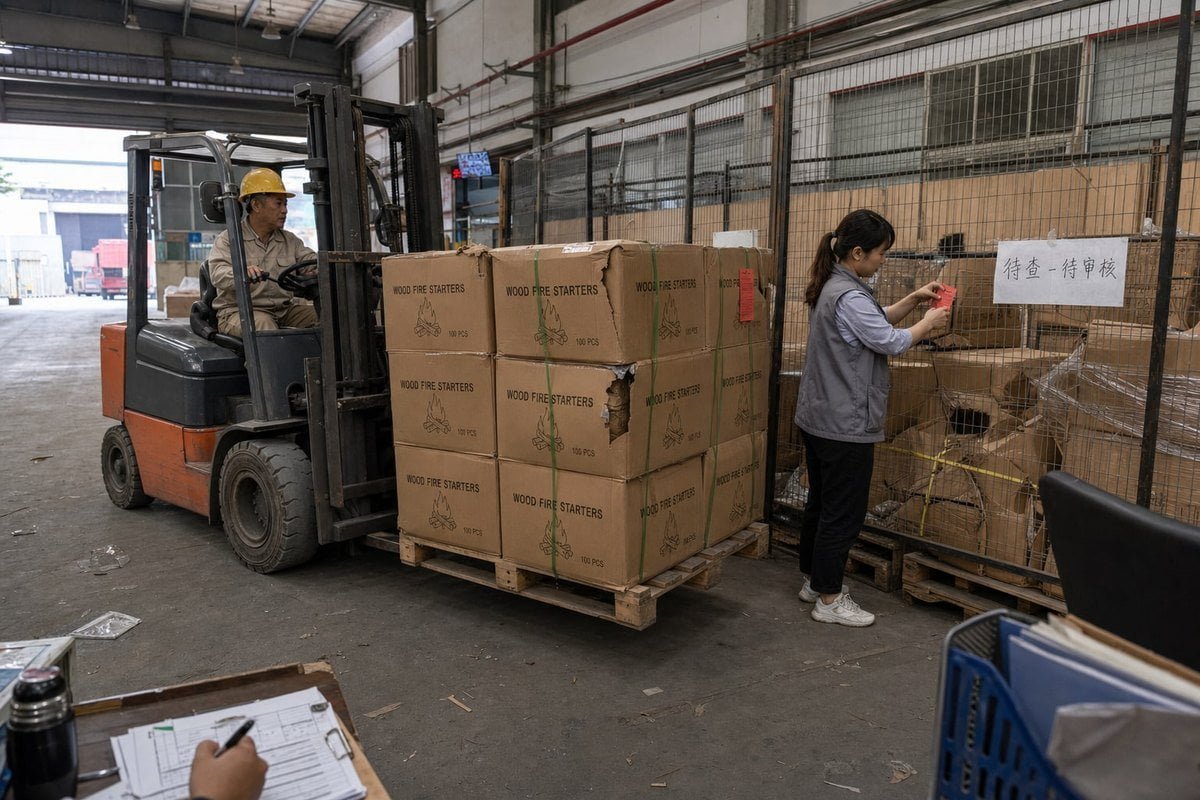
- مستوى مُحفَّز. قم بإجراء فحص غير مجدول فورًا بعد أي تباين في المخزون، أو شكوى عميل، أو نقل تالف، أو استثناء استلام. احتفظ بالدفعة المتأثرة حتى تأتي النتائج.
- مستوى مكثف. مورد جديد، تنسيق تغليف جديد، مستودع جديد، أو حجم ذروة الموسم. تحقق أسبوعيًا للدورتين أو الثلاث دورات الأولى، ثم قم بالخفض بمجرد أن تظل النتائج نظيفة.
العوامل التي يجب أن تزيد من تكرارك
بادئات إشعال الخشب حساسة للرطوبة. ألياف الخشب وشرائح الخشب 7 تمتص الرطوبة، ويمكن أن تلين طلاءات الشمع في الحرارة. لذا قم بوزن جدولك حسب البيئة. يحتاج المستودع الذي يعاني من ضعف التحكم في رطوبة التخزين إلى مزيد من الاهتمام مقارنة بالمستودع المستقر مناخيًا. وينطبق الشيء نفسه على المواقع التي تتعامل مع عمليات نقل متكررة بين المستودعات، حيث أن كل عملية نقل هي فرصة للخلط أو التلف. تسجيل الرطوبة المحيطة في كل منطقة تخزين يمنحك إشارة إنذار مبكر: إذا انحرفت الظروف خارج النطاق الخاص بك، قم بتشغيل فحص حتى لو لم يبدو أي شيء آخر خاطئًا.
ربط النتائج بقواعد التصعيد
الجدول الزمني بدون قواعد تصعيد هو مجرد أوراق. حدد استجابتك مسبقًا. إذا فشلت عينة مستودع واحدة، فضع هذه الدفعة قيد الاحتجاز في هذا الموقع واسحب عينات مقارنة من كل موقع آخر يحتفظ بنفس الدفعة. تحقق من السبب الجذري - التخزين، أو النقل، أو المورد - وسجل الإجراء التصحيحي. ثم قم بتغذية النتائج في سجل الاتجاه الخاص بك. على مدار بضعة أرباع، يخبرك هذا السجل بالمستودعات والدفعات والمواسم التي تحمل أكبر قدر من المخاطر، ويمكنك ضبط الجدول الزمني بالبيانات بدلاً من التخمين. نطبق نفس المنطق المغلق في خط الإنتاج الخاص بنا، وهو السبب في أن عيناتنا الأولى تتطابق بشكل موثوق مع الإنتاج الضخم.
خاتمة
انجراف الدُفعات عبر المستودعات غير مرئي في بيانات النظام ولكنه واضح للعملاء. حدد الدُفعات باستمرار، وخذ عينات عشوائية، وافحص مقابل قائمة تحقق واحدة، وتحقق من شهادات الموردين، وجدول الفحوصات حسب المخاطر.
ملاحظات ختامية
تعريف ويكيبيديا الموثوق لأرقام دُفعات التصنيع وإمكانية التتبع. ↩︎
خلفية عن تركيبة الشمع ذات الصلة بتوحيد الطلاء وأداء الاحتراق. ↩︎
يشرح الأساس الإحصائي لأخذ العينات العشوائية المستخدمة في عمليات الفحص العشوائي. ↩︎
تصدر SGS تقارير اختبار مستقلة من طرف ثالث تتحقق من الامتثال لمواصفات المنتج. ↩︎
تتطلب ISO 9001 عمليات إجراءات تصحيحية موثقة ضمن أنظمة إدارة الجودة. ↩︎
لائحة إدارة الغذاء والدواء الرسمية التي تحكم الاحتفاظ بالعينات في التصنيع. ↩︎
إدخال ويكيبيديا للخشب الصوفي، يشرح خصائصه واستخداماته الصناعية. ↩︎
 English
  Spanish
  German
  French
  Arabic
  Portuguese
انضم إلى المحادثة